

Do Jal Neti Safely
An Ancient Practice Backed by Modern Medicine Using a neti pot to flush the nasal passages with salt water is…
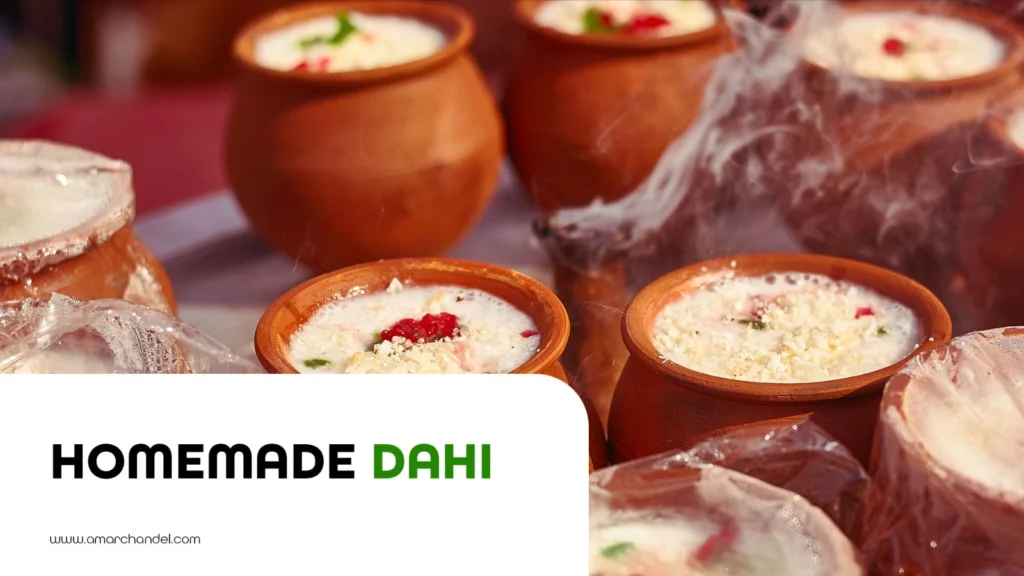
Homemade dahi is not inherently superior in every respect, but it often has several advantages over commercially produced dahi.
Traditional homemade dahi is prepared by inoculating warm milk with a spoonful of the previous day’s dahi. Over generations, the starter culture often develops a diverse community of lactic acid bacteria adapted to that household and environment.
Commercial dahi, by contrast, is usually made using standardised starter cultures, commonly just two main species:
• Streptococcus thermophilus
• Lactobacillus delbrueckii subsp. bulgaricus
Some brands add other probiotic strains, but many do not.
Fresh homemade dahi consumed within a day or two often contains abundant live bacteria.
Commercial dahi may spend days or even weeks in cold storage before reaching your refrigerator. Although refrigeration slows bacterial death, the number of viable organisms gradually declines over time.
Homemade dahi typically contains only:
• Milk
• Starter culture
Many commercial varieties may include:
• Milk solids
• Modified starch
• Pectin
• Gelatin (in some products)
• Stabilisers or thickeners to improve texture and shelf life
These ingredients are generally considered safe but are unnecessary from a nutritional perspective.
At home, you can allow fermentation to continue for 6–12 hours depending on the weather and your taste.
Longer fermentation generally:
• Reduces lactose further
• Produces more lactic acid
• Gives a tangier taste
• May increase certain bioactive compounds
Commercial manufacturers must stop fermentation at a standardised point to ensure consistent flavour and texture.
Some commercial cultured dairy products are heat-treated after fermentation to extend shelf life. If heat treatment is applied after fermentation, most live bacteria are destroyed.
Many fresh commercial dahis are not heat-treated after fermentation, but some shelf-stable cultured products are. Reading the label is important.
Homemade dahi is generally made from whole milk with minimal handling.
Commercial production often involves:
• Homogenisation
• Standardisation of fat content
• Industrial-scale processing
These steps are not necessarily harmful, but they make the product more uniform and less variable.
However, homemade dahi is not always better.
A reputable commercial brand may actually outperform homemade dahi if it:
• Uses well-studied probiotic strains such as Lactobacillus rhamnosus GG, Lactobacillus acidophilus, or Bifidobacterium animalis.
• Clearly states “contains live and active cultures.”
• Is fresh and properly refrigerated.
• Contains no unnecessary sugar or flavourings.
In fact, some probiotic yogurts have been specifically formulated and clinically studied, whereas homemade dahi varies from household to household.
One more important point: the quality of the milk matters too. Homemade dahi made from fresh, good-quality milk generally has better flavour and texture than dahi made from ultra-processed milk, but from a probiotic standpoint, the fermentation process and the viability of the cultures are more important than whether the milk was purchased loose or packaged.
The practical takeaway is this: if you have access to clean milk and can prepare it hygienically, fresh homemade dahi is an excellent daily fermented food. If you rely on commercial dahi, choose plain, unsweetened products that specifically mention “live and active cultures” or list the bacterial strains on the label. For gut health, consistency matters more than whether the dahi comes from your kitchen or a factory.
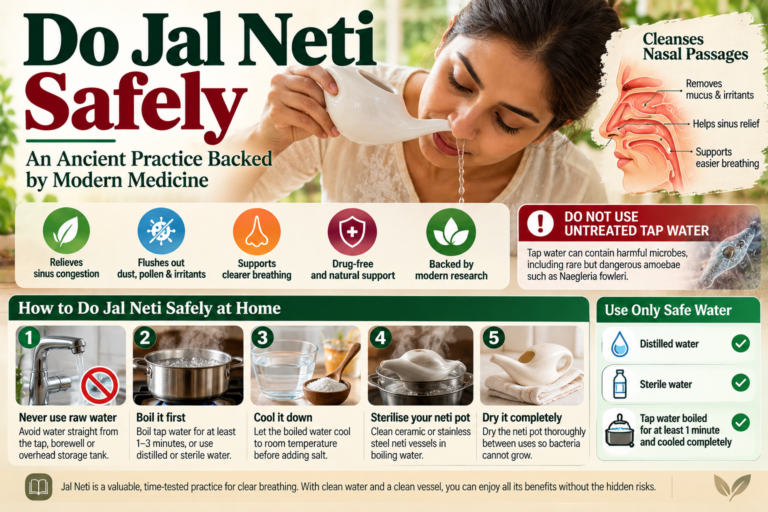
An Ancient Practice Backed by Modern Medicine Using a neti pot to flush the nasal passages with salt water is…
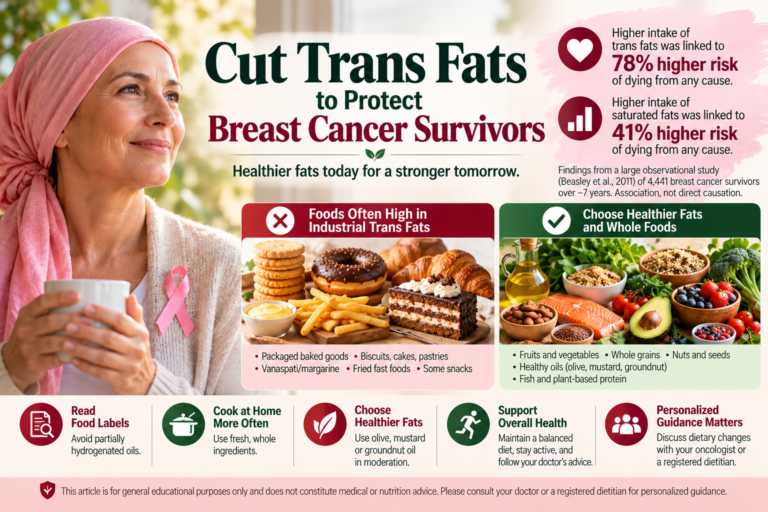
For millions of women who have completed breast cancer treatment, the transition into survivorship is marked by both relief and…
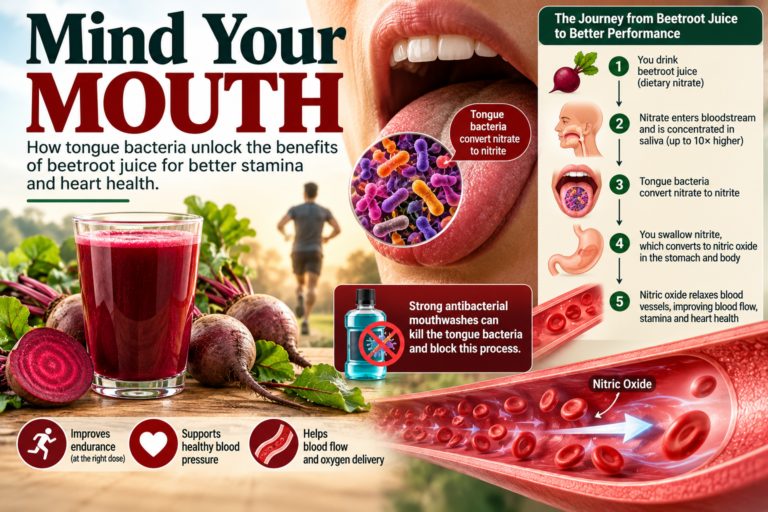
The performance boost many people attribute to a daily shot of beetroot juice does not depend solely on what is…
