

Do Jal Neti Safely
An Ancient Practice Backed by Modern Medicine Using a neti pot to flush the nasal passages with salt water is…
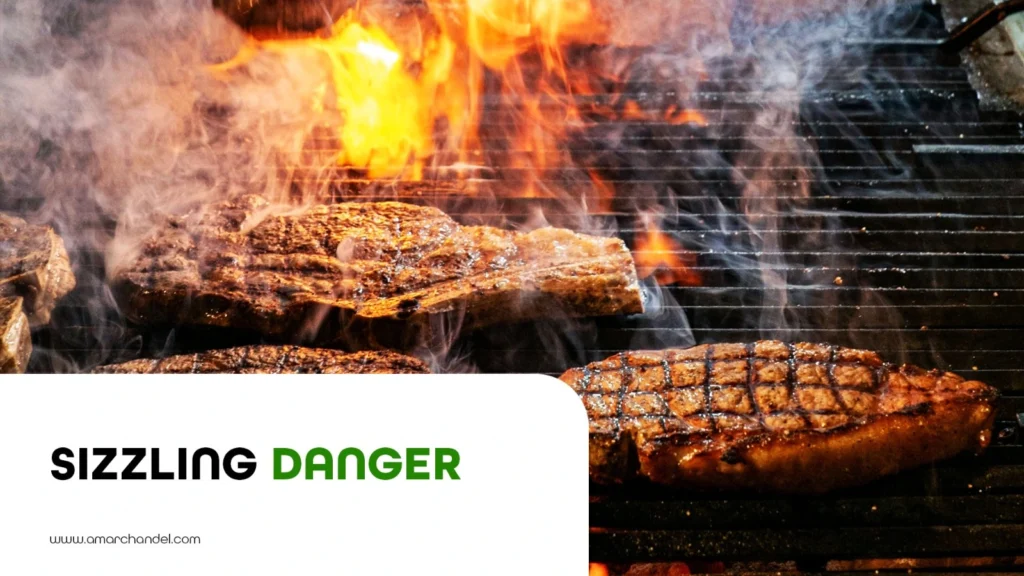
When you fry a rasher of bacon, the mouth-watering aroma that fills the kitchen might actually be doing your lungs harm. That distinctive sizzle releases airborne chemicals, including a group of powerful compounds known as nitrosamines, which are well-documented carcinogens. Research shows that heating processed meats at high temperatures creates volatile nitrosamines and heterocyclic amines that travel directly into the air. When you stand over a stove enjoying that smell, you are inhaling ultrafine particles and chemical fumes capable of causing damage at a cellular level, much like breathing in second-hand tobacco smoke.
Recent studies into indoor air quality have highlighted just how concentrated these cooking emissions can become. Cooking bacon indoors in a poorly ventilated space can lead to a surge in fine particulate matter, known as PM2.5, alongside dangerous gaseous pollutants.
Scientists studying lung deposition have found that an individual cooking indoors absorbs up to ten times more microscopic particles deep into their airways compared to someone cooking the same meal outdoors. Breathing in these fine particles irritates the respiratory tract, triggers inflammation, and over time increases the risk of chronic lung conditions and respiratory cancers.
If you are going to fry processed meats, cooking outdoors in the open air reduces your exposure significantly because the wind safely disperses the fumes. However, physical activity around a hot grill comes with its own hidden drawback. Exercising, playing games, or running about near a barbecue causes you to breathe faster and deeper. This increased volume of inhaled air pulls significantly higher quantities of airborne pollutants deep into your lung tissue.
The simple rule for outdoor cooking is to let the air clear the smoke while keeping your breathing calm and steady.
Plant-based alternatives offer a remarkably safer profile when it comes to airborne toxicity.
Scientists testing the fumes from frying beef, pork bacon, and tempeh—a fermented soya product—looked for mutagenicity, which is the ability of airborne particles to mutate human DNA. While the fumes from pork bacon proved to be particularly toxic, showing up to fifteen times the mutagenic potency of beef fumes, the emissions from frying tempeh produced no detectable mutagenic activity at all. This stark difference helps explain why professional chefs and kitchen workers face a higher risk of respiratory tract cancers, whereas populations consuming plant-based diets suffer far fewer respiratory diseases.
The issue of indoor air pollution from cooking is particularly critical in India, where millions of households deal with high levels of microscopic airborne particles every day. While western studies often focus on bacon fumes, Indian kitchens generate severe indoor emissions through deep-frying, high-heat tempering of spices, and the use of biomass fuels. The traditional practice of tadka—spluttering spices and chillies in boiling oil—releases large volumes of volatile organic compounds, ultrafine soot, and irritating fumes into small, unventilated home spaces.
Research conducted across Indian cities reveals that women and children bear the brunt of this indoor exposure, breathing in particle concentrations that frequently exceed safe global limits. The combination of oil fumes from high-temperature Indian cooking and poor kitchen ventilation contributes heavily to rising rates of asthma, chronic obstructive pulmonary disease, and lung cancer among non-smokers. Improving kitchen ventilation, switching to cleaner cooking fuels, and using exhaust fans are becoming essential public health priorities across the country to shield families from the silent dangers lurking in daily meal preparation.
References and Sources
1. International Agency for Research on Cancer (IARC) Monographs, Volume 114: Evaluation of Consumption of Red Meat and Processed Meat, World Health Organization.
2. Airborne Mutagens from Cooking Fumes: Comparative Mutagenicity of Meat and Soy-Based Products, Environmental and Molecular Mutagenesis Journal.
3. Indoor Particulate Matter Exposure from Domestic Cooking Activities, Environment International Journal.
4. Particulate Matter Deposition in Human Airway Models During Physical Activity, Atmospheric Environment.
5. Indian Council of Medical Research (ICMR) Report on Indoor Air Pollution and Respiratory Health in Indian Households.

An Ancient Practice Backed by Modern Medicine Using a neti pot to flush the nasal passages with salt water is…
For millions of women who have completed breast cancer treatment, the transition into survivorship is marked by both relief and…

The performance boost many people attribute to a daily shot of beetroot juice does not depend solely on what is…
