

Do Jal Neti Safely
An Ancient Practice Backed by Modern Medicine Using a neti pot to flush the nasal passages with salt water is…
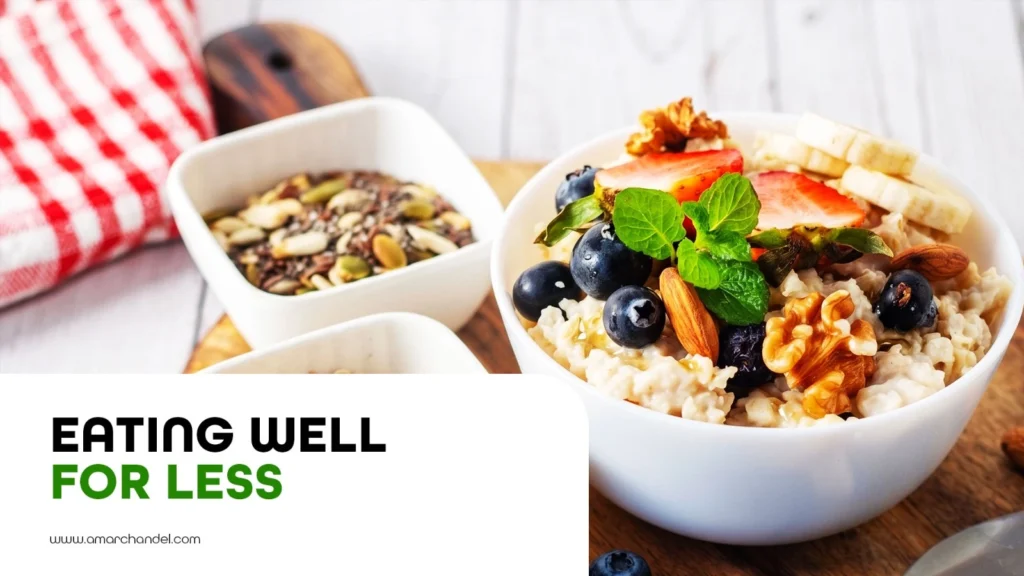
Economic downturns and rising living costs are often viewed with concern, but public health researchers sometimes see a different picture. For instance, when fuel prices rise, people tend to drive less and walk or cycle more, unintentionally boosting their weekly physical activity. However, financial pressure frequently raises concerns about the cost of maintaining a healthy diet. A landmark study led by researchers at the Harvard T.H. Chan School of Public Health examined the relationship between food prices, diet quality, and overall health. The investigation revealed that while healthier diets can sometimes cost slightly more on average, substantial improvements in nutrition can easily be achieved without spending extra money simply by adjusting what goes into the shopping basket.
The Harvard study concluded that plant-based foods provide the highest nutritional value for every pound or dollar spent. They recommended that consumers increase their intake of nuts, soya, pulses, beans, lentils, and whole grains, whilst reducing their consumption of meat and dairy products. Plant proteins are significantly cheaper to produce and purchase than animal proteins, yet they are packed with dietary fibre, vitamins, minerals, and protective antioxidants. By shifting from meat-heavy meals to dishes centred around beans and whole grains, households can dramatically cut their weekly grocery bills while simultaneously lowering their risk of chronic conditions such as heart disease, type 2 diabetes, and high blood pressure.
More recent research from the University of Oxford supports these findings, showing that adopting sustainable, plant-based diets—such as flexitarian, vegetarian, or vegan patterns—can lower food costs by up to one-third in high-income nations. A comprehensive global study published in The Lancet Planetary Health highlighted that healthy diets built around legumes, grains, and seasonal vegetables are consistently the most affordable option for households looking to eat well on a budget.
Furthermore, systematic reviews conducted by public health organisations confirm that replacing processed foods and expensive cuts of meat with whole plant foods provides a double benefit: it protects long-term cardiovascular health and keeps household food inflation at bay.
In India, the balance between food affordability and nutrition presents a unique set of opportunities and challenges. Historically, traditional Indian cuisine relies heavily on affordable, nutrient-dense staples such as lentils, chickpeas, coarse grains like millets, and seasonal green vegetables. These foods have long served as the foundation for healthy, low-cost eating across the country. However, rapid urbanisation and changing lifestyle habits have led to a noticeable rise in the consumption of ultra-processed convenience foods, refined oils, and sugary snacks, which are often heavily marketed as cheap and quick options.
This transition towards processed foods has contributed to a growing burden of lifestyle diseases across India, including diabetes and heart disease, even among lower-income households. Recent studies from the Indian Council of Medical Research emphasise the urgent need to return to traditional, whole-food dietary patterns.
Emphasising indigenous grains like sorghum and bajra, alongside locally sourced pulses and vegetables, offers the most economical way for Indian families to secure optimal nutrition. By prioritising these traditional plant foods over packaged snacks and expensive processed items, households in India can protect both their family health and their monthly budgets.
References:
1. Rao, M., Afshin, A., Singh, G., and Mozaffarian, D. (2013). Do healthier foods and diet patterns cost more than less healthy options? A systematic review and meta-analysis. BMJ Open, 3(12), e003870.
2. Springmann, M., Clark, M.A., Rayner, M., Scarborough, P., and Webb, P. (2021). The global and regional costs of healthy and sustainable diets, and their affordability under full-cost accounting. The Lancet Planetary Health, 5(11), e797-e807.
3. Harvard T.H. Chan School of Public Health. (2020). Vegetables and Fruits: Quality and Cost in a Healthy Diet. Nutrition Source Publications.
4. Indian Council of Medical Research (ICMR) – National Institute of Nutrition (NIN). (2024). Dietary Guidelines for Indians. Hyderabad, India.
5. World Health Organization. (2023). Healthy Diet Fact Sheet No. 394. Geneva: World Health Organization.

An Ancient Practice Backed by Modern Medicine Using a neti pot to flush the nasal passages with salt water is…
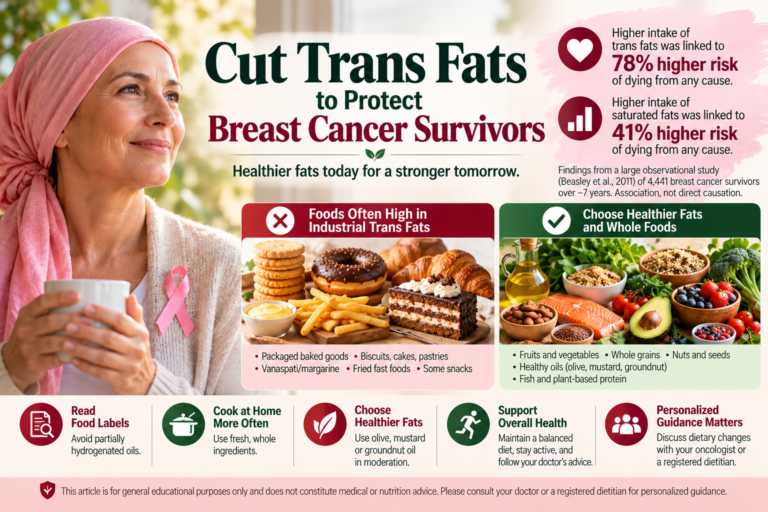
For millions of women who have completed breast cancer treatment, the transition into survivorship is marked by both relief and…

The performance boost many people attribute to a daily shot of beetroot juice does not depend solely on what is…
