

Nature’s Secret Weapon for Heart Health
When we think of heart health, our minds usually jump to cutting back on salt, lacing up running shoes, or…

When looking at how diet prevents long-term illnesses, research can sometimes present puzzling results. Simply increasing the quantity of fruits and vegetables does not always deliver the massive health leap scientists expect. The answer often lies in the quality and range of what ends up on our plates.
Many people default to eating large amounts of mild, water-dense produce such as cucumbers or iceberg lettuce, while rarely touching nutrient-rich options like berries or dark leafy greens. While eating a large portion of a single vegetable adds up on paper, it does not provide the broad spectrum of plant compounds necessary to fight off chronic conditions.
Nutrition science shows that whole plants offer benefits that far exceed taking isolated vitamin supplements. This happens because of a process called food synergy, where various natural nutrients work together to boost each other’s effectiveness. The same synergy occurs when we combine different foods in a single meal. A classic example is combining turmeric with black pepper. The active ingredient in turmeric, curcumin, is notoriously hard for the human body to absorb on its own. However, adding a pinch of black pepper—which contains a compound called piperine—increases the absorption of curcumin by an astounding two thousand per cent. This remarkable interaction highlights why eating a diverse mix of foods is essential for unlocking their full health potential.
Recent dietary studies indicate that variety can sometimes be even more important than total volume when it comes to reducing internal inflammation. Clinical trials measuring C-reactive protein, a key blood marker used by doctors to track systemic inflammation, found a striking trend. People who ate a wide variety of plant foods showed significantly lower levels of inflammation compared to those who consumed fewer varieties, even when both groups ate similar overall quantities.
These findings directly support updated dietary guidelines from major health bodies, such as the American Heart Association, which explicitly urge people to focus on plant variety rather than just meeting basic portion targets.
References:
1. Shoba, G., et al. (1998). Influence of piperine on the pharmacokinetics of curcumin in animals and human volunteers. Planta Medica, 64(4), 353-356. 2. Bhupathiraju, S.N., et al. (2013). Quantity and variety of fruit and vegetable intake and risk of coronary heart disease. American Journal of Clinical Nutrition, 98(6), 1514-1523. 3. Lichtenstein, A.H., et al. (2021). 2021 Dietary Guidance to Improve Cardiovascular Health: A Scientific Statement From the American Heart Association. Circulation, 144(23), e472-e487. 4. Shin, D. and Lee, K.W. (2022). Fruit and Vegetable Consumption Interacts With HNF1A Variants on the C-Reactive Protein. Frontiers in Nutrition, 9, 900867. 5. Indian Council of Medical Research – National Institute of Nutrition (2024). Dietary Guidelines for Indians. ICMR-NIN, Hyderabad.
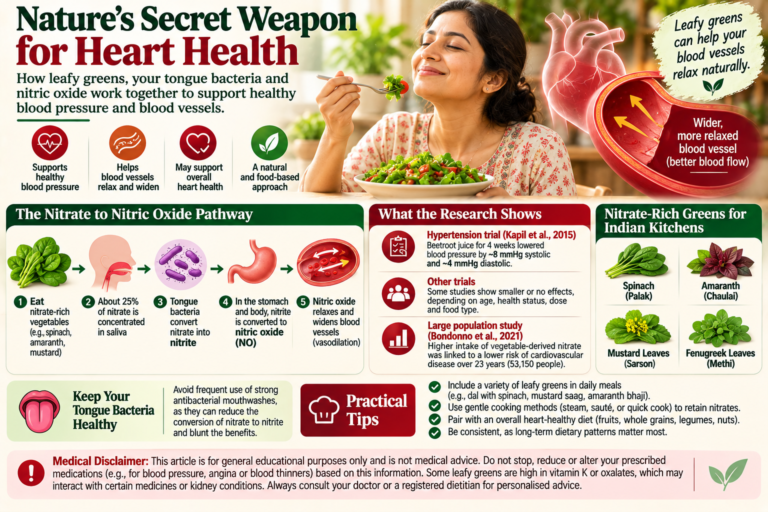
When we think of heart health, our minds usually jump to cutting back on salt, lacing up running shoes, or…
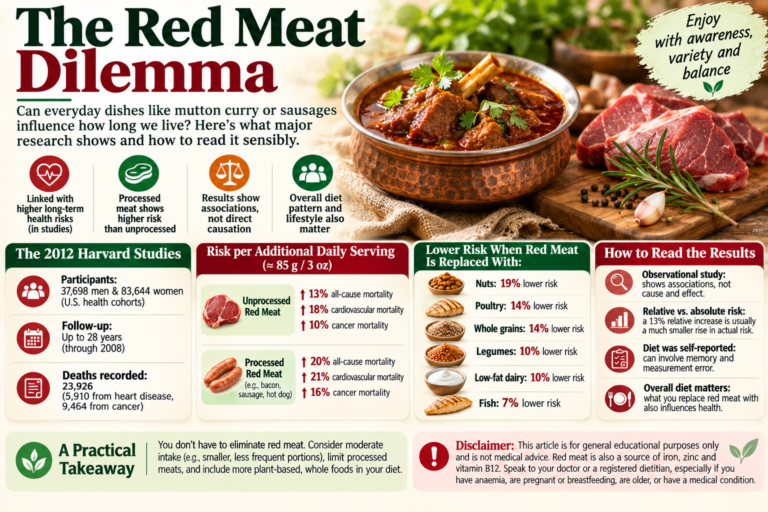
Can everyday dishes like a fragrant mutton curry or weekend breakfast sausages influence how long we live? For decades, dietary…

We rarely think about the quality of the air inside our homes. Most of us spend the vast majority of…
