

Do Jal Neti Safely
An Ancient Practice Backed by Modern Medicine Using a neti pot to flush the nasal passages with salt water is…

Chronic obstructive pulmonary disease, commonly known as COPD, is a group of progressive lung conditions including chronic bronchitis and emphysema. It causes persistent airflow obstruction and breathlessness.
According to the World Health Organization and the latest Global Burden of Disease analyses, COPD ranks as the third leading cause of death worldwide, responsible for nearly three and a half million deaths every year. While long-term cigarette smoking remains the primary cause in developed nations, researchers have increasingly investigated how dietary choices can help prevent or manage this debilitating disease.
Observational research spanning several decades first highlighted a strong connection between high fruit and vegetable consumption and improved lung function. Early findings suggested that adding just one extra serving of fruit or vegetable to a daily diet could lower the risk of developing and dying from respiratory ailments. Subsequent population studies expanded this protective list to include green tea and fibre-rich foods like whole grains. These benefits are largely attributed to natural antioxidants and anti-inflammatory compounds that shield delicate lung tissues from oxidative stress.
In contrast, other dietary habits have been shown to increase the risk of lung damage. Landmark prospective studies from Columbia University and Harvard University identified processed and cured meats, such as bacon, hot dogs, sausages, ham, and salami, as significant risk factors for COPD.
Researchers discovered that nitrite preservatives added to cured meats create reactive nitrogen species in the body. These nitrites mimic the chemical damage caused by cigarette smoke, leading to structural damage and inflammation in lung tissue. Recent global meta-analyses published in journals such as Nutrients confirm that processed and cured meat consumption consistently raises the odds of developing COPD, whereas diets rich in whole plant foods and fish offer protective benefits.
Furthermore, for individuals already diagnosed with COPD, high processed meat consumption has been linked to a significantly higher risk of hospital readmissions.
Over the past decade, comprehensive systematic reviews and clinical updates from the Global Initiative for Chronic Obstructive Lung Disease have underscored the critical role of overall dietary patterns. Adopting an anti-inflammatory dietary pattern, such as the Mediterranean diet, helps slow the decline of lung function and lowers exacerbation rates.
Soya foods, including tofu and soya milk, have also been shown to protect against chronic breathlessness. High dietary fibre intake nourishes beneficial gut bacteria, producing short-chain fatty acids that help regulate immune responses and suppress systemic inflammation across the gut-lung axis.
The situation in India presents a uniquely severe public health challenge regarding COPD. Recent systematic reviews published in BMC Pulmonary Medicine indicate that roughly 13 percent of Indian adults suffer from COPD. Unlike Western nations where tobacco smoke dominates, a massive proportion of COPD cases in India stem from non-smoking factors. These include severe outdoor air pollution, ambient particulate matter, and the widespread indoor burning of biomass fuels like wood, cow dung, and crop residues for cooking in rural households.
Due to these high environmental exposures, dietary interventions become even more vital for the Indian population. Integrating traditional, fibre-rich plant foods, legumes, and antioxidant-rich fruits into daily meals can provide a crucial nutritional shield against airborne toxins. Enhancing dietary quality alongside public health initiatives to improve indoor ventilation and clean energy access forms an essential strategy for reducing the overwhelming burden of respiratory disease in India.
References:
1. World Health Organization. Chronic Obstructive Pulmonary Disease (COPD) Fact Sheet. 2024.
2. Global Burden of Disease Study 2021 Collaborators. Burden of chronic obstructive pulmonary disease and its attributable risk factors in 204 countries and territories, 1990–2021. BMJ Public Health. 2026.
3. Halder P, et al. Burden of chronic obstructive pulmonary disease among Indian adults: systematic review and meta-analysis. BMC Pulmonary Medicine. 2026.
4. Zheng J, et al. Meat Consumption Associated with the Risk of Chronic Obstructive Pulmonary Disease: A Systematic Review and Meta-Analysis. Nutrients. 2024.
5. Global Initiative for Chronic Obstructive Lung Disease (GOLD). Global Strategy for the Diagnosis, Management, and Prevention of COPD Report. 2026.
6. van Iersel LEJ, et al. Nutrition as a modifiable factor in the onset and progression of pulmonary function impairment in COPD: a systematic review. Nutrition Reviews. 2022.

An Ancient Practice Backed by Modern Medicine Using a neti pot to flush the nasal passages with salt water is…
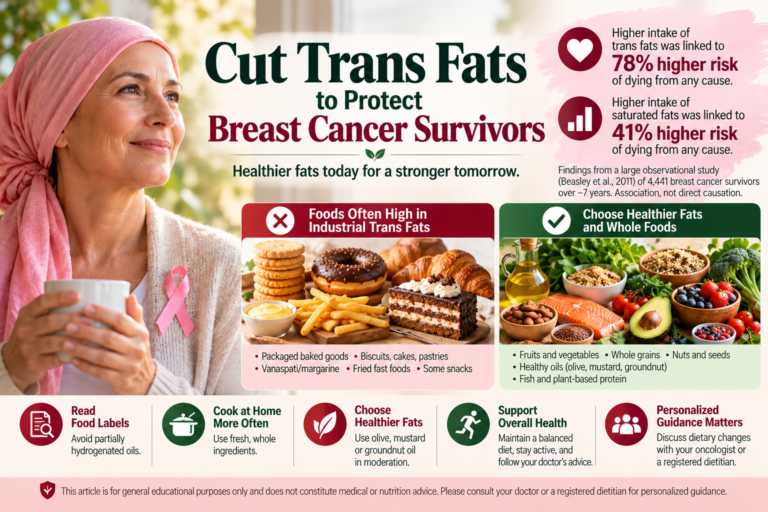
For millions of women who have completed breast cancer treatment, the transition into survivorship is marked by both relief and…

The performance boost many people attribute to a daily shot of beetroot juice does not depend solely on what is…
