

Do Jal Neti Safely
An Ancient Practice Backed by Modern Medicine Using a neti pot to flush the nasal passages with salt water is…
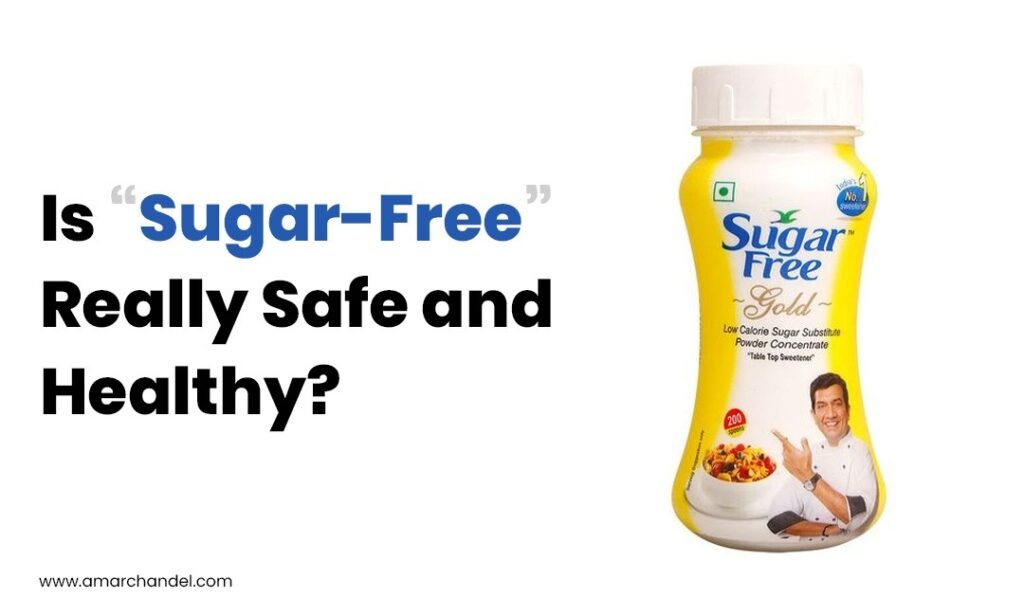
Short Answer: Not necessarily. It depends on what is being used in place of sugar.
Most “sugar-free” products use artificial or synthetic sweeteners like:
• Aspartame
• Sucralose (Splenda)
• Saccharin
• Acesulfame-K
Or sugar alcohols like:
• Sorbitol
• Xylitol
• Erythritol
The Reality:
• These sweeteners can reduce calories, but studies suggest they may disrupt gut microbiota, increase sugar cravings, and cause glucose intolerance in the long run.
• Some (like aspartame) have been controversially linked to headaches, mood swings, or even neurological concerns in susceptible people.
• Erythritol has recently come under scrutiny for potential cardiovascular risks when consumed regularly in high quantities.
So while “sugar-free” feels like a healthier choice, it often simply swaps one problem for another.
Short Answer: Both — but quantity is the main culprit.
Processed White Sugar:
• Has zero nutrition — only empty calories.
• Is rapidly absorbed, causing insulin spikes, contributing to obesity, Type 2 diabetes, inflammation, and even mood disorders.
But the body does need some glucose for energy — just not in the amounts we currently consume. And what the body needs by way of glucose should come from fruit, not man-made sugar.
The Bigger Issue:
• We are consuming far too much sugar (often hidden).
• The WHO recommends no more than 6 teaspoons per day (approx. 24 grams) for adults. That is the upper limit. The lesser the better. And you cannot take 12 tsp today just because you didn’t have any yesterday!
• The average Indian urban adult consumes ~20–25 teaspoons daily, often without realising it — from tea, snacks, packaged food, soft drinks, ketchup, bread, etc.
So it’s the overdose, more than the sugar itself, that is toxic.

Short Answer: Jaggery is better than white sugar, but still not something you should consume freely.
The Good:
• Unrefined, often made with minimal processing.
• Contains trace minerals like iron, magnesium, and potassium.
• Traditional Ayurveda recommends it (in moderation) as a digestive aid, especially in winter.
• Doesn’t cause as sharp an insulin spike as white sugar.
The Not-So-Good:
• Still high in calories and sugar (sucrose content is about 65–85%).
• Will still raise blood sugar, though more slowly.
• Overuse can still lead to weight gain, diabetes, and fatty liver if consumed daily or in excess.
Use it as a medicinal sweetener, not a daily staple. A little post-meal or with herbal tea is fine for most healthy individuals.
Best for diabetics and calorie control.
Use in smoothies, desserts, or date paste as a sugar replacement.

Use raw, unfiltered, organic honey — never heat it, as Ayurveda warns against it.
Good for baking; tastes like brown sugar.
Use sparingly, as a mouth freshener or digestive.
• Use whole-food sweeteners (like dates, fruit purées, honey) instead of refined ones.
• Reduce your sweet tolerance gradually — this resets your palate.
• Always check labels of “sugar-free” or “diet” products — they often contain hidden harmful sweeteners.
• Don’t combine multiple sweeteners — the body still counts them all.
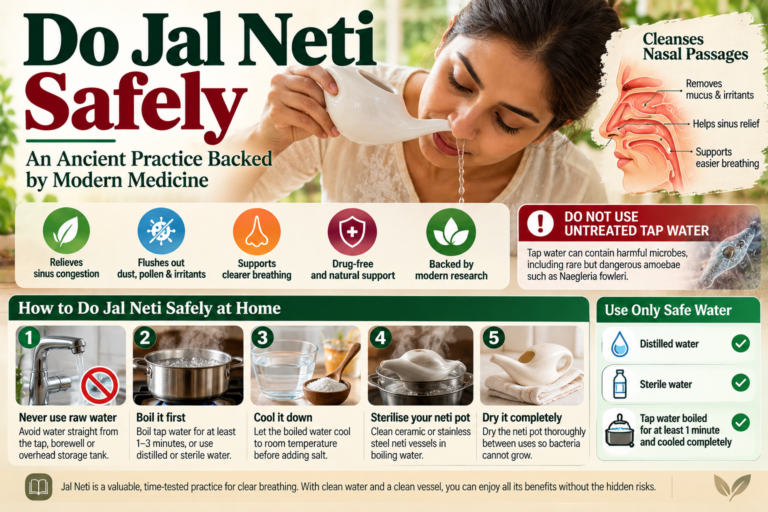
An Ancient Practice Backed by Modern Medicine Using a neti pot to flush the nasal passages with salt water is…
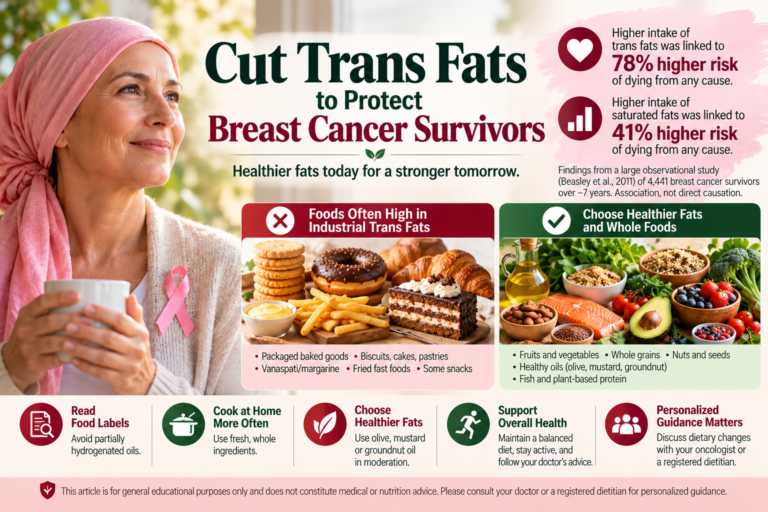
For millions of women who have completed breast cancer treatment, the transition into survivorship is marked by both relief and…

The performance boost many people attribute to a daily shot of beetroot juice does not depend solely on what is…
