

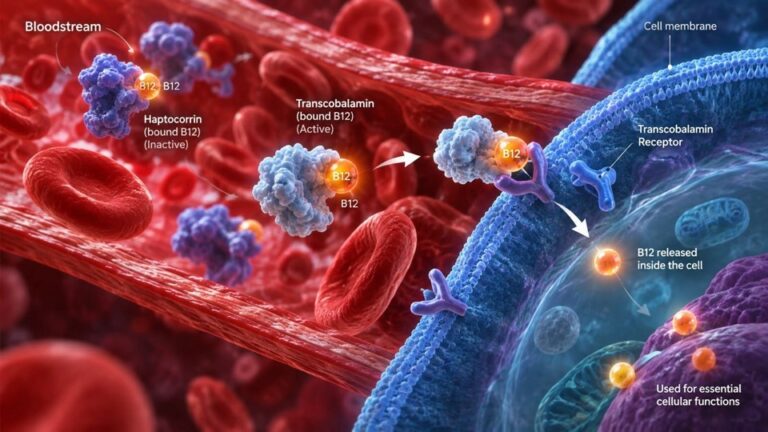
A Smarter Approach to Vitamin B12: Why the “Active B12” Test Matters
Medical Disclaimer: The information provided in this article is for educational and informational purposes only and is not intended as…

Chronic low water intake can contribute to weight gain, and this is not a myth.
Here is the scientific, physiological explanation in simple language, step by step.
1. Dehydration → Stress Hormones Rise → More Fat Storage
When your body senses low water, it treats it as a stress condition.
This increases:
• Cortisol (stress hormone)
• Aldosterone & ADH (water-retaining hormones)
High cortisol = more belly fat.
Why?
• Cortisol increases appetite.
• Cortisol pushes the liver to make more glucose → higher insulin.
• High insulin = fat storage mode ON.
So dehydration leads to:
➡️ Higher cortisol
➡️ Higher insulin
➡️ More fat is deposited around the belly
2. Dehydration Slows Down Metabolism (“Metabolic Brake”)
Fat-burning (lipolysis) is a biochemical process that needs water.
If water is low, your body slows down fat metabolism.
Studies show:
• Even mild dehydration (1–2%) reduces metabolic rate.
• Slow metabolism = fewer calories burned = easier weight gain.
So drinking too little acts like a handbrake on your metabolism.
3. Dehydration Makes You Hungry When You Are Actually Thirsty
Your brain often confuses thirst for hunger because the same region (hypothalamus) controls both.
So:
• You feel “hungry.”
• But actually, you needed water
• You eat extra food → weight gain
This is why drinking a glass of water before meals reduces overeating.
4. Dehydration → Poor Digestion → Bloating → Weight Gain
Water is essential for:
• making saliva
• stomach acid
• digestive juices
• smooth bowel movement
Low water leads to:
• constipation
• slow digestion
• gas and bloating
• feeling heavy and “fat” even without extra fat accumulation
Chronic constipation also increases:
• gut inflammation
• insulin resistance
Both promote weight gain.
5. Dehydration Thickens the Blood → Insulin Becomes Less Effective
When you drink too little water:
• The blood becomes more concentrated (higher osmolality)
• Insulin receptors become less responsive
• The pancreas produces more insulin
High insulin = “store fat” signal.
This is one of the hidden links between dehydration and:
• diabetes
• prediabetes
• fatty liver
• obesity
Even mild dehydration increases insulin resistance measurably.
6. Low Water → Low Energy → Less Movement → Weight Gain
Dehydration reduces:
• cellular energy (ATP)
• blood flow
• oxygen delivery
You feel:
• tired
• mentally dull
• unwilling to exercise
Low movement = fewer calories burned = weight gain.

7. Dehydration Makes the Kidneys Underperform → Liver Has to Pick Up the Slack → Fat Metabolism Drops
When you drink too little:
• Kidneys cannot filter toxins efficiently
• Liver has to assist in detoxification
• But the liver is already responsible for burning fat
So when the liver is busy helping the kidneys:
➡️ Less fat-burning capacity available
➡️ Fat loss slows
➡️ Weight accumulates
This mechanism is very important in:
• Fatty liver
• Belly fat
• Metabolic syndrome
8. Dehydration Alters the Microbiome → More “Obesity-type” Bacteria
Water keeps:
• gut mucus healthy
• fibre fermentation normal
• transit time smooth
When water is low:
• fibre ferments poorly
• toxins accumulate
• beneficial bacteria decrease
• inflammation increases
• gut permeability rises (“leaky gut”)
This microbiome shift promotes:
• insulin resistance
• cravings
• fat storage
So dehydration indirectly worsens weight via gut bacteria too.
9. Drinking Water Slightly Increases Calorie Burning (Thermogenesis)
Studies show that drinking water, especially lukewarm water, increases:
• energy expenditure for 30–60 minutes
This is called water-induced thermogenesis.
If you drink too little:
➡️ You lose this small but real calorie-burning boost.
In Summary
Because dehydration:
1. Raises cortisol → belly fat
2. Slows metabolism
3. Causes mistaken hunger
4. Leads to constipation & inflammation
5. Raises blood concentration → insulin resistance
6. Lowers energy → less movement
7. Overworks the liver → less fat-burning
8. Harms the gut microbiome
9. Reduces thermogenesis
Even mild dehydration can shift the body into a fat-storing mode.
Ideal Daily Water Intake?
General healthy adults:
• 2.0–2.5 litres for women
• 2.5–3 litres for men
More if:
• hot weather
• sweating
• exercising
• high-fibre diet
• elderly (because thirst mechanism weakens)
Urine should be pale yellow — this is the easiest guide.
Medical Disclaimer: The information provided in this article is for educational and informational purposes only and is not intended as…
Every time we flex a muscle, take a breath, or blink an eye, our body spends a tiny packet of…
Managing chronic kidney disease through nutrition relies on balancing essential nutrients while minimising the workload on failing kidneys. Damaged kidneys…
