

Do Jal Neti Safely
An Ancient Practice Backed by Modern Medicine Using a neti pot to flush the nasal passages with salt water is…

Sweet potatoes (Ipomoea batatas), or shakarkandis, remain one of the most nutrient-dense and versatile foods available. They are rich in beta-carotene, anthocyanins, fibre, and polyphenols, making them a functional food with benefits for eye health, metabolic health, and even cancer prevention. But the way you cook them dramatically affects their nutritional profile.
One word of caution. Eating large amounts of orange-fleshed sweet potatoes can lead to carotenemia — a harmless condition where excess beta-carotene temporarily turns skin (especially around the nose and palms) yellowish. Recent pediatric nutrition studies confirm that it is benign and reversible within 1–3 months of reduced intake.
Modern breeding programmes have expanded the colour spectrum of sweet potatoes beyond the familiar orange and white to deep purple, red, and even variegated varieties.
• Orange-fleshed varieties are richest in beta-carotene (precursor to vitamin A).
• Purple-fleshed varieties are highest in anthocyanins — potent antioxidants with anti-inflammatory and anticancer properties.
• Red-skinned varieties may have higher polyphenol content than pale-skinned ones.
A 2024 USDA analysis confirmed that deeper pigmentation correlates strongly with higher antioxidant and phytonutrient content.
Recent studies published in Food Chemistry (2024) and Journal of Functional Foods (2023) say that cooking method matters for nutrient retention:
1. Boiling
• Preserves more beta-carotene and anthocyanins than baking or frying.
• Lowers the glycemic index (GI) to as much as half that of baked sweet potatoes, making it a better option for blood sugar control.
• Cell wall softening during boiling improves carotenoid bioavailability.
2. Steaming
• Slightly better than boiling for vitamin C preservation, but results in a marginally higher GI than boiling.
• Retains more phenolic compounds than baking.
3. Microwaving
• Fast and preserves antioxidants fairly well, provided the cooking time is short.
• Over-microwaving can degrade vitamin C and anthocyanins.
4. Baking
• Causes greater nutrient loss: up to 70–80% of vitamin A and 60% of anthocyanins can be lost.
• Produces a higher GI, spiking blood sugar more rapidly.
5. Avoid Deep Frying
• Leads to acrylamide formation and the loss of water-soluble vitamins.
• Increases calorie density without improving nutrient quality.

A 2025 Nutrients study found that sweet potato skin contains up to 12 times more antioxidants than the flesh, along with higher fibre content and antimicrobial compounds. Boiling or steaming with the skin on retains the most antioxidants; baking can destroy over two-thirds of these compounds.
From a purely nutritional perspective, boiling whole sweet potatoes with their skin on is optimal. Steaming is a close second. However, the healthiest preparation is the one you enjoy enough to eat regularly — except deep frying. Pairing sweet potatoes with a small amount of healthy fat (like butter) further boosts carotenoid absorption.

An Ancient Practice Backed by Modern Medicine Using a neti pot to flush the nasal passages with salt water is…
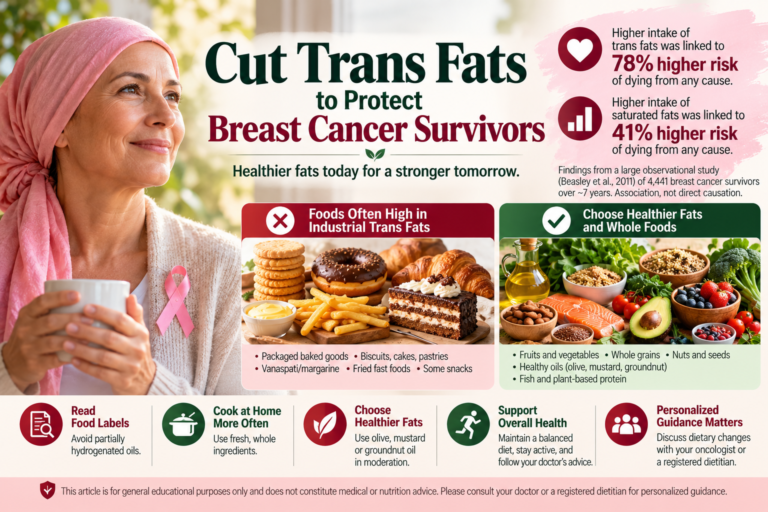
For millions of women who have completed breast cancer treatment, the transition into survivorship is marked by both relief and…
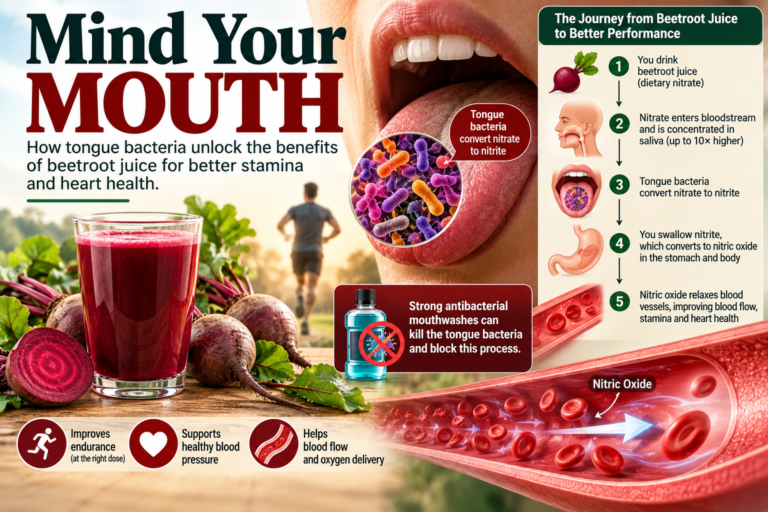
The performance boost many people attribute to a daily shot of beetroot juice does not depend solely on what is…
