

Why Spinach Boosts Your Heart While Processed Meat Harms It
At first glance, nutrition advice around nitrates and nitrites seems to contradict itself. On one hand, public health guidelines warn…
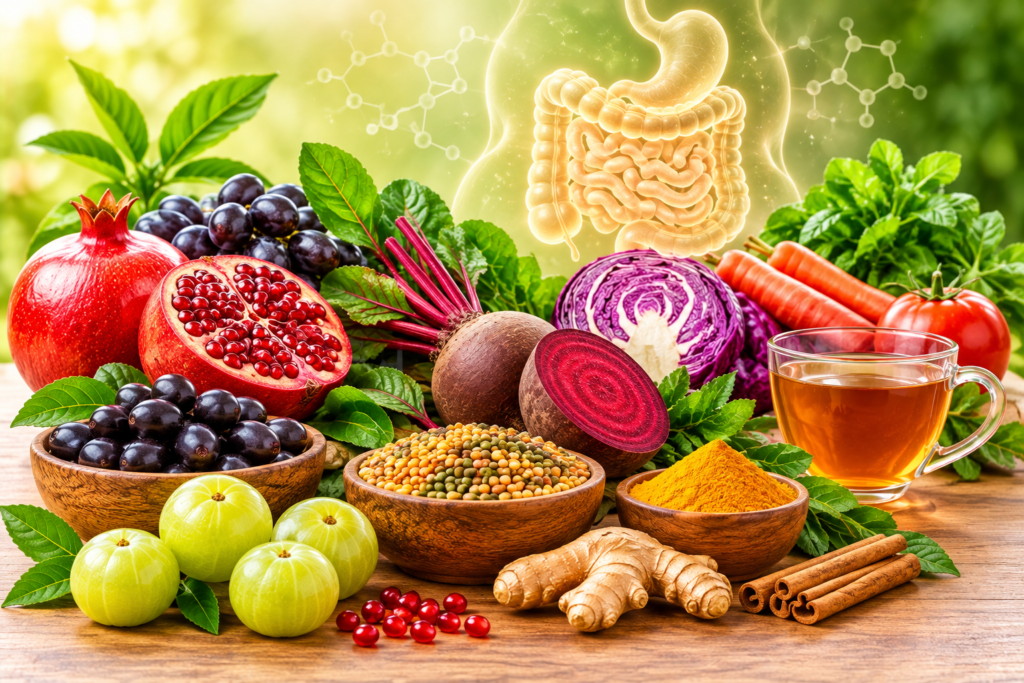
Ask almost anyone how to support regular bowel movements and long-term colon health, and the immediate answer is dietary fibre. Whole grains, pulses, vegetables, and fruits have earned their reputation for adding bulk to stool and keeping digestion moving smoothly. Yet an intriguing clinical trial from Italy suggested that fibre might not be the only plant component influencing bowel function.
In that controlled experiment, researchers observed that shifting toward colourful, antioxidant-rich foods noticeably increased daily stool output even when total fibre and calorie intakes remained comparable. While that finding sparked plenty of excitement around polyphenols and gut health, reading the study carefully reveals both genuine promise and important scientific caveats.
In this article, we explore why researchers track stool weight, what the Italian clinical trial actually tested and discovered, how polyphenols interact with the lower digestive tract, what Indian data show regarding colorectal cancer trends, and practical ways to include antioxidant-rich whole foods alongside fibre in Indian meals.
Disclaimer: This article is for general educational purposes and is not medical advice. Stool weight is a research marker, not a target, and eating more antioxidant-rich foods does not guarantee protection from bowel disease. See a doctor promptly for rectal bleeding, a lasting change in bowel habits, persistent abdominal pain, unexplained weight loss or anaemia, whatever your age.
To nutrition researchers and gastroenterologists, stool weight serves as a practical, objective marker of how food moves through the digestive tract. Higher stool output generally indicates faster intestinal transit times and greater dilution of potential dietary irritants or carcinogens in the large intestine. However, normal stool weight varies tremendously from one healthy individual to another and across global regions.
A classic 1992 analysis in Gastroenterology by Cummings and colleagues examined this relationship across populations. The researchers noted that median daily stool weight among 220 healthy adults in the United Kingdom was roughly 106 grams per day. When comparing 20 different populations worldwide, average daily stool weights ranged from 72 grams to 470 grams and showed an inverse statistical association with colon cancer incidence. The authors estimated that diets providing around 18 grams per day of non-starch polysaccharides (dietary fibre) corresponded with average stool weights near 150 grams per day.
Crucially, this 150-gram figure represents an epidemiological comparison across large populations, not a personal diagnostic cutoff. Many completely healthy individuals routinely pass less than 150 grams of stool daily without elevated disease risk, and an individual’s stool size neither predicts nor prevents cancer on its own.
While fibre’s role in stool bulking is well established, a 2010 trial published in the British Journal of Nutrition by Bianchi, Scazzina, Del Rio, Valtueña, Pellegrini, and colleagues investigated whether dietary antioxidants independently alter bowel output.
The researchers conducted a randomised crossover trial involving 19 healthy adult volunteers. Each participant followed two distinct eating plans for two weeks at a time, separated by a 14-day washout period where they returned to their usual habits:
Both diets were carefully matched to provide comparable amounts of total energy, macronutrients, alcohol, and total dietary fibre. Volunteers tracked their intake using three-day weighed food records. Researchers weighed total stool output over 48-hour collection windows at the start and end of each two-week phase, and a subgroup of nine participants provided stool samples for detailed microbiological and chemical testing. The trial was funded by the Italian Ministry of University and Research and the European Commission.
As intended, the high-TAC diet substantially raised participants’ intake of phenolic compounds as well as vitamins C and E. The most striking shift appeared in stool output: total 48-hour stool weight reached an average of 324 grams (standard deviation 38) on the high-antioxidant diet, compared with 218 grams (standard deviation 22) on the low-antioxidant diet. Translated to a daily average, output rose from roughly 109 grams per day to about 162 grams per day, representing an increase of approximately 49%.
Laboratory analysis confirmed that stool water from the high-TAC phase contained significantly higher concentrations of antioxidants and phenolic compounds. However, among the nine volunteers who provided samples for microbial analysis, the researchers found no statistically significant changes in stool moisture percentage, pH, ammonia, genotoxicity, or counts of beneficial bacteria such as Lactobacillus and Bifidobacterium.
The Italian study offers a fascinating clue about how plant foods interact with the gut, though several limitations keep the findings in perspective:
Overall, the trial presents a plausible, thought-provoking observation worth exploring in larger, longer human studies.
Polyphenols are a diverse family of plant compounds abundant in deeply colored fruits and vegetables, tea, coffee, cocoa, pulses, and culinary spices. Unlike simple sugars or fats that are rapidly absorbed in the upper digestive tract, a large fraction of dietary polyphenols passes intact through the small intestine and reaches the colon. In the Italian trial paper, the authors noted estimates that roughly 400 mg to 570 mg of phenolic compounds enter the human colon each day.
Once in the large intestine, resident gut bacteria break these complex molecules down into smaller bioactive metabolites. Nutrition reviews suggest that certain polyphenols may act similarly to prebiotics, selectively nourishing beneficial gut microbes and subtly influencing microbial ecology. In animal experiments, particularly studies in rats, high intakes of specific polyphenols have also been observed to bind water, dietary lipids, and proteins in the gut lumen, adding physical bulk to intestinal contents.
Still, human mechanisms remain under active investigation. Because the Italian trial did not detect significant shifts in Bifidobacterium counts or stool moisture percentage in its small sample subset, researchers cannot yet confirm exactly why stool output increased.
When reading about the benefits of high-antioxidant diets, it is tempting to reach for concentrated antioxidant capsules containing isolated vitamins C, E, beta-carotene, or purified polyphenol extracts. Clinical evidence strongly cautions against that approach.
Large randomized trials and systematic reviews evaluating high-dose isolated antioxidant supplements have consistently failed to show reductions in colorectal cancer or cardiovascular disease risk. In fact, certain high-dose supplements, such as beta-carotene in smokers or high-dose vitamin E in specific cohorts, have been linked to higher health risks in clinical trials. Whole foods deliver polyphenols naturally packaged alongside soluble and insoluble fibre, minerals, and thousands of synergistic plant compounds at balanced, physiological levels. Focusing on varied whole foods remains far safer and more effective than relying on pills.
Discussions around stool bulk and gut health often intersect with growing public concern over colorectal cancer, especially reports of diagnoses among younger adults.
Looking at global cancer statistics provides helpful context. According to GLOBOCAN 2022 estimates, India recorded roughly 64,863 new colorectal cancer cases and 38,367 deaths. Age-standardized incidence rates in India—approximately 5.7 cases per 100,000 men and 3.4 per 100,000 women—remain substantially lower than rates seen in North America, Europe, or East Asia. Furthermore, a 2024 analysis published in Lancet Oncology comparing early-onset colorectal cancer (diagnosed between ages 25 and 49) across 50 countries found that India had the lowest recorded early-onset incidence rate in the group, at roughly 4 cases per 100,000 people.
At the same time, Indian gastroenterologists and oncology centres report a clinical perception of rising cases among younger adults, and several regional hospital and registry analyses note a substantial proportion of patients presenting under age 40 or 50. While part of this proportion reflects India’s younger overall population demographics, urbanization, sedentary lifestyles, rising obesity, and shifts toward ultra-processed, low-fibre diets remain legitimate areas of clinical focus.
No diet, however rich in fibre or antioxidants, can guarantee immunity from colorectal cancer or replace timely medical evaluation. Indian oncology and gastroenterology guidelines emphasize prompt diagnostic evaluation—such as colonoscopy or stool occult blood testing—for anyone experiencing red-flag symptoms, regardless of age. Seek medical advice promptly if you notice:
For a related look at digestive symptoms and diet, read the connection between childhood constipation and cow’s milk. Persistent or concerning bowel symptoms should always be discussed with a healthcare professional.
Because the Italian trial relied on European foods and there are no clinical trials testing specific Indian spices on human stool weight, no single ingredient should be treated as a magic bullet. For instance, while turmeric contains the polyphenol curcumin, curcumin is poorly absorbed on its own and has not been tested for stool bulking. Moreover, polyphenol-rich foods work alongside dietary fibre rather than replacing it; the ICMR-NIN Dietary Guidelines for Indians (2024) recommend roughly 30 to 40 grams of daily fibre from whole grains, pulses, vegetables, and fruits as the foundation of digestive health.
Fortunately, traditional Indian kitchens already offer abundant ways to pair fibre with diverse polyphenols:
While gradually adding colourful plant foods suits most healthy adults, a few groups should take a measured approach:
Across large global populations, higher average stool weights correlate with lower colon cancer rates. However, stool weight is a broad population marker rather than an individual guarantee; many healthy people pass smaller stools without developing bowel disease.
No. Dietary fibre from whole grains, pulses, vegetables, nuts, and seeds remains the primary, best-proven driver of healthy stool bulk and regular bowel movements. Antioxidant-rich foods complement fibre rather than replacing it.
Jamun, amla, pomegranate, dark grapes, beetroot, purple cabbage, red onions, rajma, black chana, millets, tea, coffee, and everyday spices like cloves, cinnamon, turmeric, and ginger are all rich sources of dietary polyphenols.
No. Research on stool output and colon health points to whole foods rather than isolated pills. High-dose antioxidant supplements have not been shown to prevent bowel disease and can occasionally carry risks.
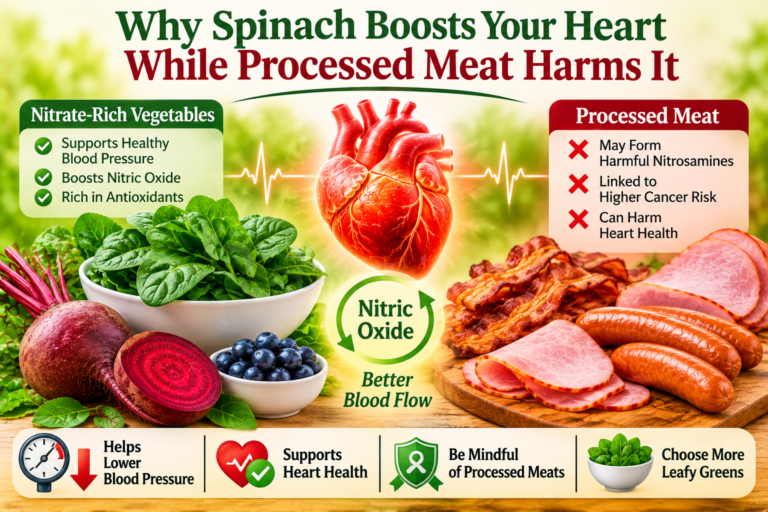
At first glance, nutrition advice around nitrates and nitrites seems to contradict itself. On one hand, public health guidelines warn…
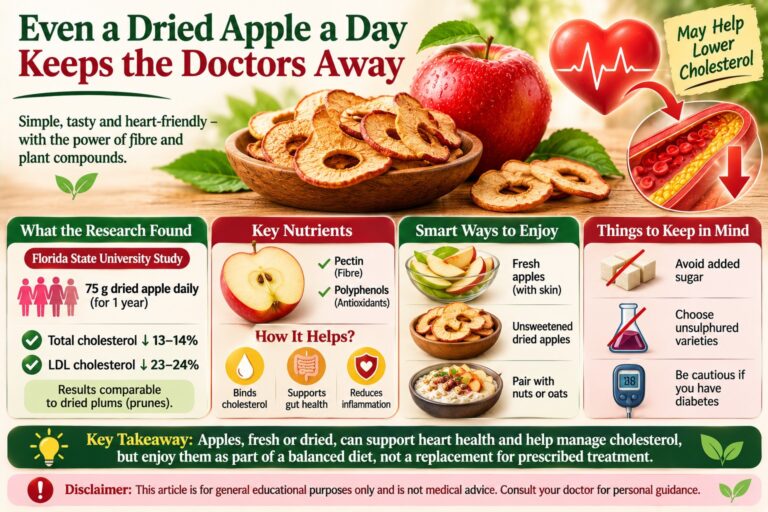
When most people picture heart-healthy dried fruits, their minds jump straight to walnuts, almonds, raisins, prunes, or exotic imported berries.…
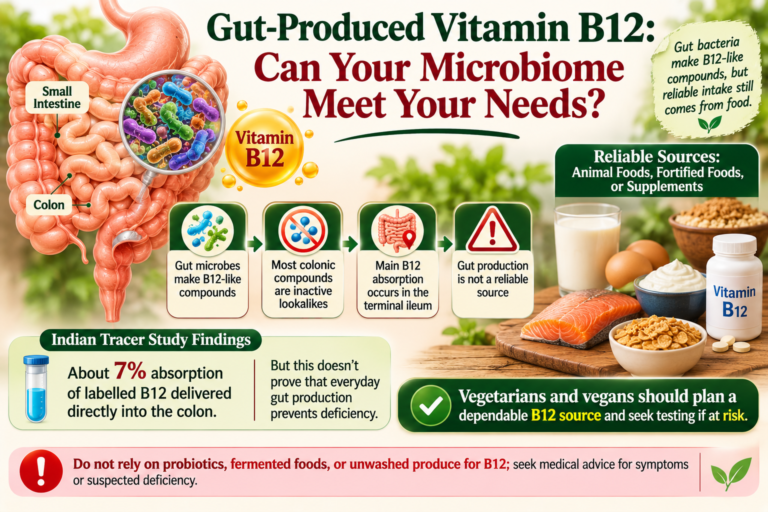
A popular wellness claim suggests that healthy human gut bacteria quietly manufacture all the vitamin B12 our bodies require, and…
