

Gut-Produced Vitamin B12
A popular wellness claim suggests that healthy human gut bacteria quietly manufacture all the vitamin B12 our bodies require, and…
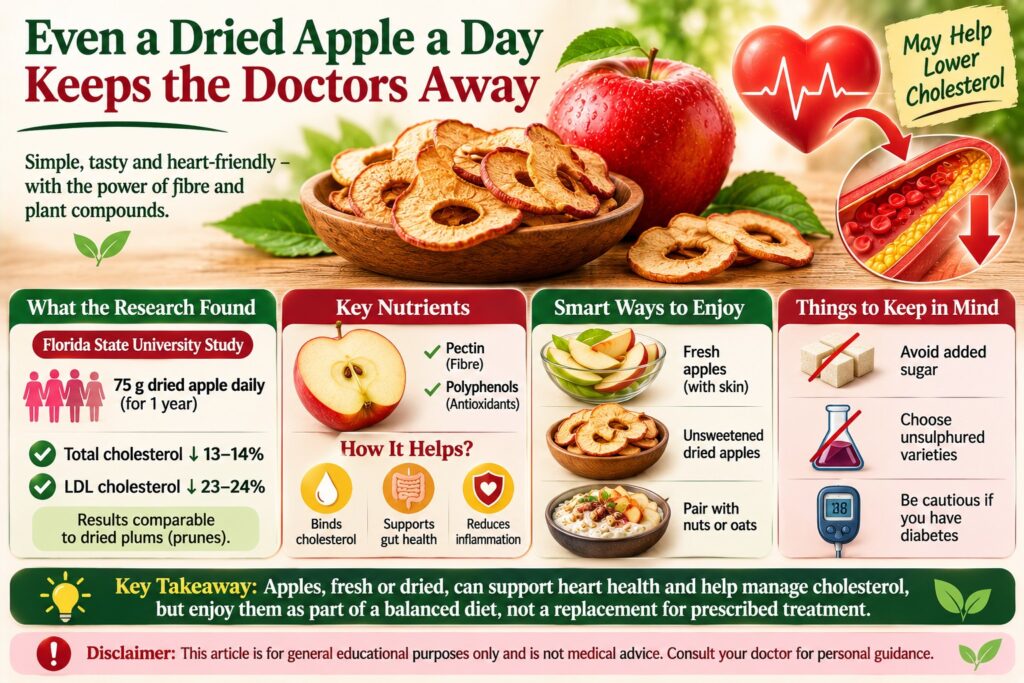
When most people picture heart-healthy dried fruits, their minds jump straight to walnuts, almonds, raisins, prunes, or exotic imported berries. Plain dried apple rings rarely top the list. Yet a widely cited clinical trial from Florida State University put humble dried apples under the scientific spotlight, sparking headlines suggesting that eating them daily could substantially improve cholesterol levels.
While the trial results were genuinely intriguing, nutritional science rarely fits neatly into a catchy proverb. Reading those numbers accurately requires looking at who the study compared, how later systematic reviews evaluated apple products across broader groups, and how dried fruit fits into everyday eating habits.
In this article, we examine what the year-long dried apple study actually showed and did not show, how apple fibre and plant compounds interact with cholesterol, what Indian readers should look for regarding sugar, sulphites, and local availability, and practical ways to enjoy apples safely.
Disclaimer: This article is for general educational purposes and is not medical advice. Eating apples or dried apples may modestly help cholesterol as part of a healthy diet but does not replace cholesterol medicine or medical care. Dried fruit is high in natural sugar and may contain sulphites. Speak to your doctor if you have diabetes, high cholesterol, asthma or take regular medication.
Apples owe much of their nutritional reputation to two key components: soluble dietary fibre and polyphenols. The primary soluble fibre in apples is pectin, a gel-forming carbohydrate concentrated heavily in the cell walls and peel. Alongside pectin, apples contain diverse polyphenol antioxidants, including quercetin, catechin, phloridzin, and chlorogenic acid.
In laboratory and animal research, both pectin and apple polyphenols have been linked to healthier lipid metabolism and reduced markers of vascular inflammation. However, human clinical trials show more measured, variable results than animal models.
It is also helpful to understand what happens when an apple is dehydrated. Drying removes almost all water content while leaving the fibre, minerals, polyphenols, and natural fruit sugars intact. Because the water is gone, dried apples are much more concentrated by weight than fresh slices, meaning a modest handful delivers the nutrients, fibre, and calories of multiple whole fresh apples.
Fibre-rich foods are also an important part of a broader heart-healthy eating pattern. For example, pulses such as dal, lentils and beans can support heart health and cholesterol management. Apples can complement these foods rather than replace them.
Much of the public enthusiasm surrounding dried apples stems from a year-long randomized clinical trial conducted by researchers at Florida State University and published in the Journal of the Academy of Nutrition and Dietetics in 2012.
Led by Dr. Sheau Ching Chai and colleagues, the research team recruited 160 healthy postmenopausal women aged 45 to 65 in Tallahassee, Florida. Participants were randomly assigned to one of two groups for a 12-month period:
Blood samples were collected at baseline, 3 months, 6 months, and 12 months to track lipid profiles and inflammatory biomarkers. The study was funded by a research grant from the United States Department of Agriculture (USDA). Notably, because both groups consumed a fibre-rich dried fruit daily, the trial compared two active fruit interventions against each other rather than comparing dried apples against a “no-fruit” control group.
Within the dried apple group, participants experienced noticeable improvements in blood markers over the course of the year. At the 3-month mark, total cholesterol had fallen by 9% and low-density lipoprotein (LDL, often called “bad” cholesterol) had dropped by 16%. Subsequent timepoint reports from the study described LDL cholesterol falling by roughly 23% to 24% and total cholesterol decreasing by about 13% to 14% between 6 and 12 months, alongside an approximate 4% rise in high-density lipoprotein (HDL) cholesterol and lower C-reactive protein (CRP), a marker of systemic inflammation.
Interestingly, women in the dried apple group lost an average of 1.5 kilograms (about 3.3 pounds) over the 12 months, even though the dried fruit added roughly 240 extra calories per day to their diet. Self-reported total energy intake remained stable, suggesting the fibre-rich fruit naturally displaced other snacks.
Crucially, however, the authors’ direct comparison between the two groups told a more balanced story. Between the dried apple and dried plum groups, there were no statistically significant differences in LDL cholesterol reductions. Total cholesterol was significantly lower in the dried apple group only at the 6-month checkpoint, weight loss did not differ significantly between the two fruit groups, and prunes also reduced C-reactive protein (in fact, CRP was significantly lower in the prune group at 3 months).
When evaluating single nutrition trials, looking closely at study design prevents overinterpreting headline numbers:
Taken together, the evidence suggests that eating apples regularly is a promising, plausible way to support healthier cholesterol levels, even though typical reductions are smaller than the most optimistic headlines.
Researchers propose several complementary biological pathways to explain how apples may support cardiovascular health, though much of the mechanistic evidence comes from animal and cell-based studies:
Apples are only one part of a varied diet that supports cardiovascular health. Other foods, including leafy vegetables, provide different nutrients and compounds. You can also explore how leafy greens and dietary nitrates may support heart health.
Both fresh and dried apples offer valuable nutrition, but dehydration changes the nutritional math and introduces label details worth checking.
Because water is removed, dried apples pack significantly more calories and natural sugars into a small volume. According to USDA FoodData Central nutritional profiles, a 75-gram serving of plain dried apples (the daily amount used in the Florida State trial) provides roughly 180 to 240 kilocalories, around 40 to 43 grams of naturally occurring sugars, and roughly 6.5 grams of dietary fibre. By comparison, eating two medium fresh apples with the skin on provides a similar amount of fruit, roughly 8 to 9 grams of fibre, and about 190 calories spread across a much larger, water-rich volume that fills the stomach faster.
If you buy packaged dried apples, read the ingredient list carefully for two things:
Whole fruit is generally a useful choice when you want to retain its natural fibre. Our article on why blending whole berries can preserve more fibre than pressing them into juice explores a related aspect of fruit processing.
Bringing this research into an Indian kitchen involves weighing local fruit availability, cost, and broader dietary patterns.
Fresh apples are a staple fruit across India, grown primarily in the Himalayan belt of Jammu and Kashmir, Himachal Pradesh, and Uttarakhand, with peak domestic harvests arriving between late summer and autumn. By contrast, plain, unsweetened dried apples are not a traditional Indian pantry staple. While specialty health stores and online marketplaces sell dehydrated apple rings, many available options are imported or coated with added sugar, making them noticeably more expensive per serving than fresh seasonal apples or local dried fruits like raisins and figs. Under Food Safety and Standards Authority of India (FSSAI) regulations, sulphur dioxide is permitted as a preservative in dried fruits up to specified maximum limits (typically 2,000 ppm for certain dehydrated fruits), so checking labels for “unsulphured” and “no added sugar” remains important.
Cardiovascular disease and high blood pressure represent major public health challenges across India. For example, the large pan-India ICMR-INDIAB national survey reported that roughly 35.5% of Indian adults live with hypertension. At the same time, urban and semi-urban snacking habits often lean heavily on deep-fried namkeens, biscuits, and refined flour snacks.
Swapping refined, fried evening snacks for fibre-rich whole foods is a practical step toward better heart health. The ICMR-NIN Dietary Guidelines for Indians (2024) emphasize increasing daily dietary fibre intake (recommending roughly 30 to 40 grams of fibre per day depending on calorie intake) through whole grains, pulses, vegetables, nuts, and whole fruits. Fresh or unsweetened dried apples can contribute meaningfully to that fibre target, alongside everyday Indian heart-healthy staples like chana, rajma, oats, guava, and walnuts.
A heart-healthy diet is about the overall pattern, not one individual food. A varied selection of fruits, vegetables, pulses, whole grains and nuts can contribute to better dietary quality. For a broader look at this approach, read how a plant-based diet may influence cholesterol and other cardiometabolic risk factors.
Even natural fruit snacks require moderation for certain individuals:
You do not need to eat a fixed medicinal quota of dried apples every day to enjoy their benefits. Simple, flexible habits work best:
The Florida State University trial used 75 grams of dried apple per day, which equals roughly two medium fresh apples. However, there is no universal prescribed dose. Including one to two fresh apples or a modest handful of unsweetened dried apples regularly as part of a high-fibre diet is a practical approach.
Not necessarily. Both offer similar fibre and polyphenols, but fresh whole apples retain their natural water content, making them lower in calories per bite and much more filling. Dried apples are simply a convenient, shelf-stable option when fresh fruit is unavailable.
In the 2012 Florida State trial comparing 75 grams of dried apple against 75 grams of dried plum (prunes), both fruits supported healthy biomarkers, and there was no statistically significant difference between the two groups in LDL cholesterol reductions. Both can fit into a heart-healthy diet.
No. While soluble fibre and polyphenols from apples can support modest improvements in blood lipids alongside a balanced diet, they cannot match the potency or proven cardiovascular protection of prescribed medications like statins. Always follow your doctor’s treatment plan.

A popular wellness claim suggests that healthy human gut bacteria quietly manufacture all the vitamin B12 our bodies require, and…
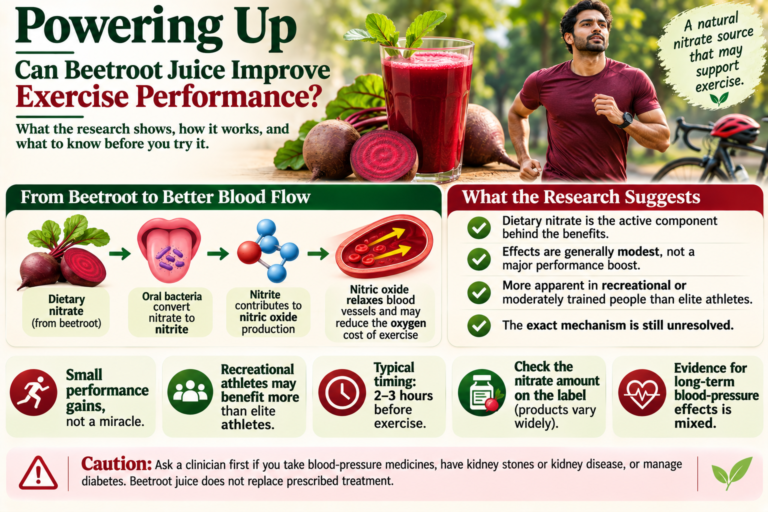
When sports scientists first suggested that drinking plain beetroot juice could help athletes ride faster and last longer, the idea…
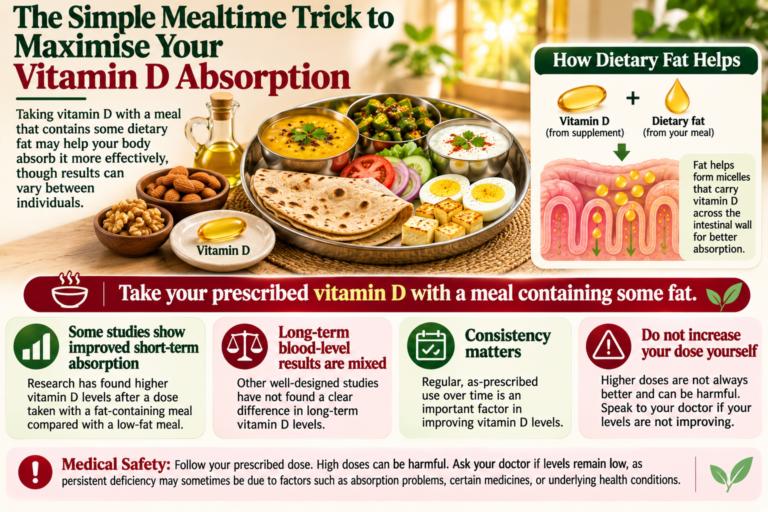
Few health routines feel more frustrating than diligently taking a prescribed vitamin D supplement for months, only to return to…
