

Do Jal Neti Safely
An Ancient Practice Backed by Modern Medicine Using a neti pot to flush the nasal passages with salt water is…
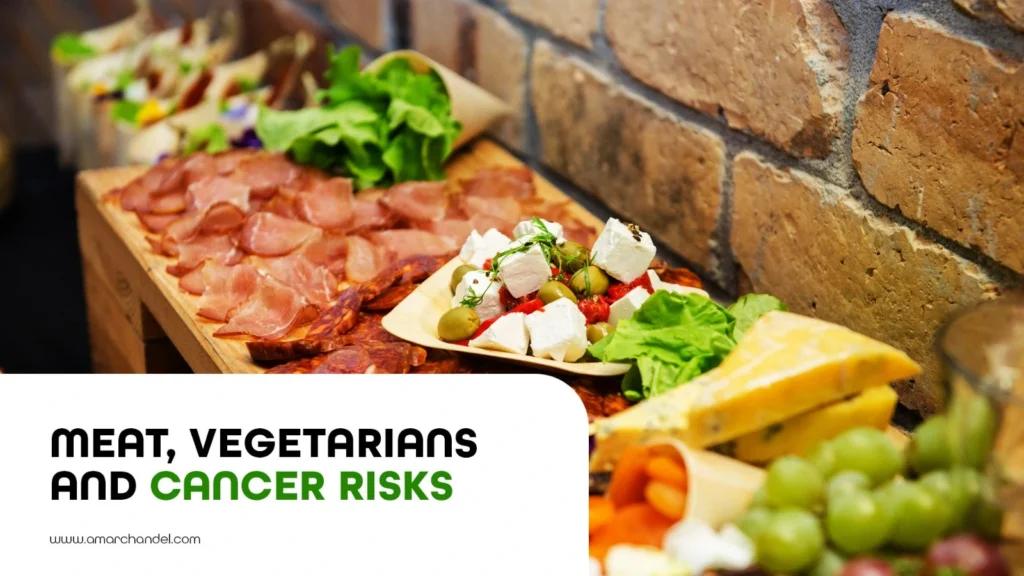
Studying the link between eating meat and developing cancer has always been a complicated task for scientists. Just like early studies on coffee drinkers were skewed because many coffee lovers also smoked cigarettes, early studies on meat eaters struggled to separate the effects of diet from general lifestyle choices. Vegetarians often lead healthier lives overall. On average, they exercise more, smoke less, drink less alcohol and maintain lower body weight compared to the general population. To find out if avoiding meat actually lowers cancer risk, researchers had to design long-term studies that compared vegetarians with equally healthy, health-conscious meat eaters.
To achieve a fair comparison, major scientific studies, such as the European Prospective Investigation into Cancer and Nutrition (EPIC-Oxford) and the UK Biobank study, tracked tens of thousands of people over several decades. Scientists carefully adjusted their data to account for non-dietary factors. They matched participants based on detailed smoking histories, alcohol intake, physical activity levels, body mass index and even reproductive factors in women, such as the number of children and contraceptive use. By equalising these lifestyle factors, researchers could isolate the specific effect of meat consumption on human health.
Interestingly, adjusting for body weight and plant intake creates an intentional disadvantage for the vegetarian group in these studies. We know that plant-based diets naturally tend to keep body weight lower, which itself protects against several types of cancer. Furthermore, vegetarians naturally consume higher amounts of fruits, vegetables, legumes and whole grains. To isolate the effect of meat itself, researchers deliberately compared vegetarians to meat eaters who also ate four to five portions of fruit and vegetables daily. Even after stripping away these natural advantages, large-scale studies confirmed that overall cancer rates remain lower among vegetarians compared to healthy, health-conscious omnivores.
According to a major UK Biobank study published in BMC Medicine by researchers from Oxford Population Health, which analysed over 400,000 British adults, overall cancer risk was 14 per cent lower in vegetarians and vegans compared to regular meat eaters. Specific risks varied by cancer type. The World Health Organization and the International Agency for Research on Cancer have classified processed meat as a definite cause of cancer, particularly bowel cancer, and red meat as a probable cause.
The UK Biobank findings showed that low-meat eaters and vegetarians had a significantly lower risk of colorectal cancer. Additionally, postmenopausal vegetarian women showed a lower risk of breast cancer, largely linked to maintaining a lower average body mass index.
Further pooled analyses, such as the global Cancer Risk in Vegetarians Consortium study published in the British Journal of Cancer, also identified lower risks for specific conditions like pancreatic, kidney and prostate cancers among vegetarians.
In India, the scientific picture presents a unique contrast due to cultural, economic and dietary differences. Unlike Western countries, where vegetarianism is often a conscious lifestyle choice associated with high health awareness, vegetarianism in India is widespread and deeply rooted in tradition. According to the National Family Health Survey, around 30 to 40 per cent of the Indian population identifies as vegetarian. However, Indian vegetarian diets vary drastically from Western plant-based diets, frequently relying heavily on refined carbohydrates, ultra-processed snack foods, fried items and full-fat dairy products, while being surprisingly low in whole fruits, fresh vegetables and diverse plant proteins.
Recent epidemiological research from the Indian Council of Medical Research and the Public Health Foundation of India shows that cancer patterns in India are shifting rapidly. While traditional research suggested lower rates of hormone-related cancers in India compared to Western nations, urbanisation and changing dietary habits are altering this trend. Studies published in the Indian Journal of Medical Research indicate that simply avoiding meat does not automatically protect against cancer or metabolic diseases if the diet lacks dietary fibre and is rich in refined sugars and unhealthy fats.
While processed red meat consumption remains relatively low in India compared to the West, rising obesity rates and low overall intake of fresh produce among both vegetarians and non-vegetarians are becoming key public health challenges.
Ultimately, latest global and Indian evidence confirms that while cutting out processed and red meat lowers cancer risk, the true protective power of a diet lies in consuming plenty of whole, unprocessed plant foods.
References and Sources:
1. Watling, C.Z., et al. (2022). Risk of cancer in regular and low meat-eaters, fish-eaters, and vegetarians: a prospective analysis of UK Biobank participants. BMC Medicine, 20(1), 73. Oxford Population Health.
2. Dunneram, Y., Papier, K., Tong, T.Y.N., et al. Vegetarian diets and cancer risk: pooled analysis of 1.8 million women and men in nine prospective studies on three continents (Cancer Risk in Vegetarians Consortium). British Journal of Cancer.
3. International Agency for Research on Cancer (IARC) / World Health Organization (WHO). (2015). IARC Monographs evaluate consumption of red meat and processed meat. Press Release No. 240.
4. International Institute for Population Sciences (IIPS) and ICF. National Family Health Survey (NFHS-5), India. Ministry of Health and Family Welfare, Government of India.
5. Indian Council of Medical Research (ICMR) & Public Health Foundation of India (PHFI). Reports on India: Health of the Nation’s States – The India State-Level Disease Burden Initiative.
6. Indian Journal of Medical Research (IJMR). Various studies on dietary transitions, metabolic disorders, and cancer epidemiology in urban and rural India.

An Ancient Practice Backed by Modern Medicine Using a neti pot to flush the nasal passages with salt water is…
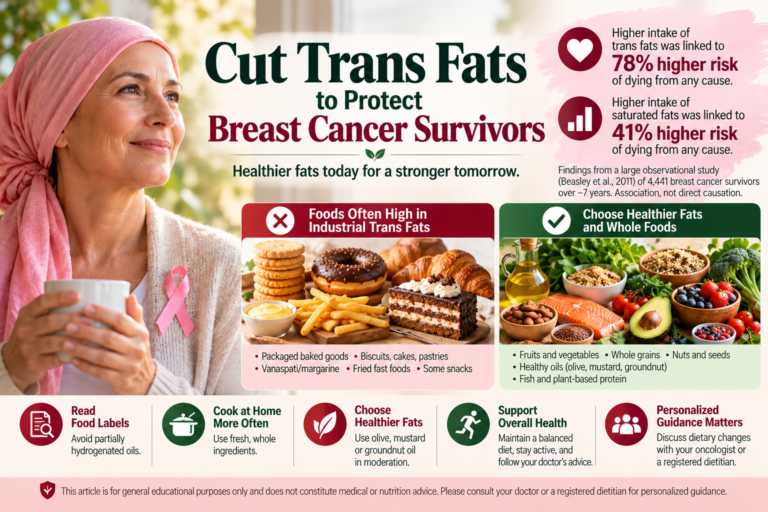
For millions of women who have completed breast cancer treatment, the transition into survivorship is marked by both relief and…
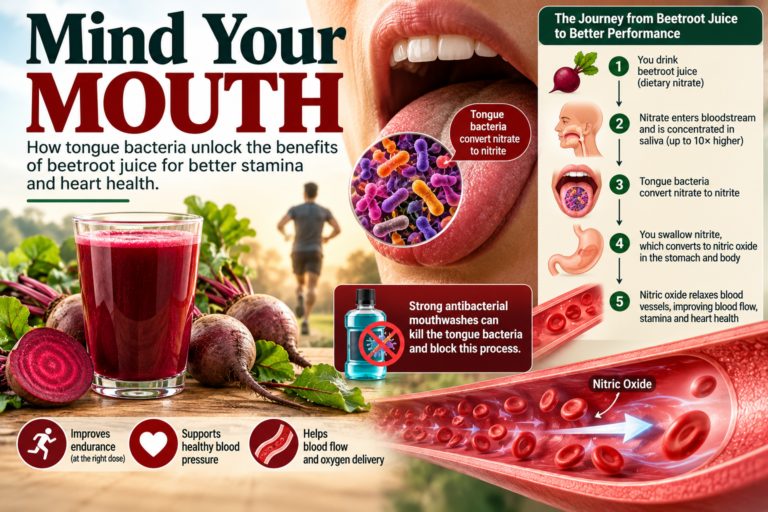
The performance boost many people attribute to a daily shot of beetroot juice does not depend solely on what is…
