

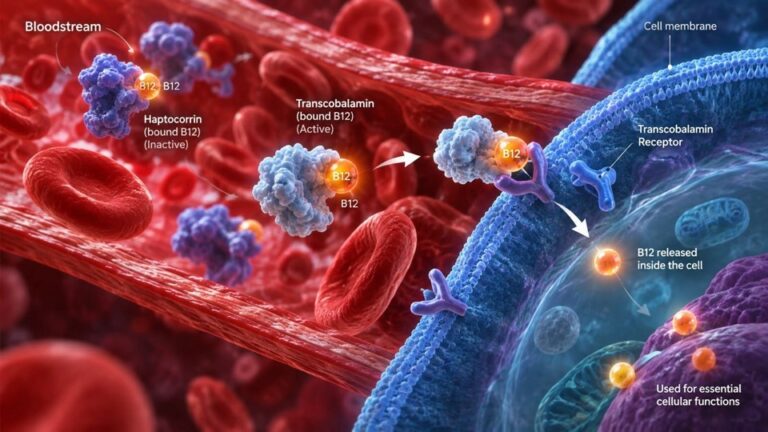
A Smarter Approach to Vitamin B12: Why the “Active B12” Test Matters
Medical Disclaimer: The information provided in this article is for educational and informational purposes only and is not intended as…
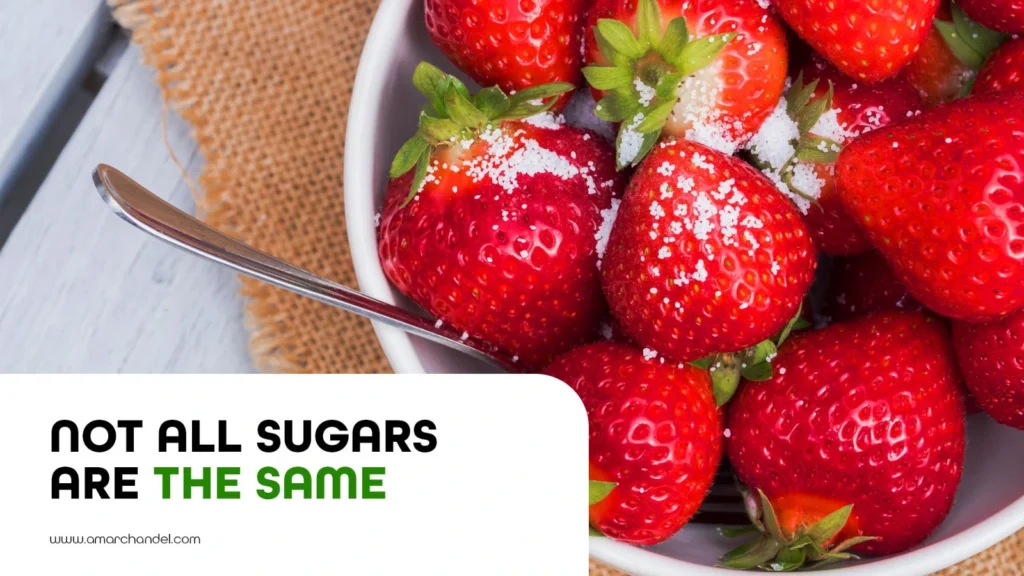
At a chemical level, the sugars in an apple or a date (fructose, glucose, and sucrose) are virtually identical to the refined sugar in table sugar or high-fructose corn syrup. However, the human body does not process simple molecules in isolation—it processes whole food packages.
The metabolic impact of natural fruit sugars differs drastically from refined, man-made sugars due to key biochemical and structural distinctions:
1. The Fiber Matrix (Delayed Absorption)
• Whole Fruit: Sugars are trapped inside insoluble and soluble cellular walls (pectin, cellulose). Your digestive system must manually break down this fibrous structure, releasing sugar gradually into the bloodstream over hours.
• Refined Sugar: Free molecules dissolve almost instantly in the stomach, flooding the portal vein and triggering an aggressive, rapid insulin spike.
2. Micronutrients and Polyphenol Action
• Whole Fruit & Dates: Rich in potassium, magnesium, vitamin C, and bioflavonoids. Polyphenols (like anthocyanins and tannins) actually inhibit carbohydrate-digesting enzymes (like alpha-glucosidase), further dampening glycemic response.
• *Refined Sugar*: Provides empty calories without co-factors, requiring the body to draw upon its own nutrient stores to metabolise the energy.
3. Satiety and Volumetric Limits
• Whole Fruit: High water content and bulk fibre stretch the stomach wall, triggering gut hormones like peptide YY and GLP-1 that signal fullness to the brain. Eating 40 grams of sugar from 3 whole apples is physically difficult for most people.
• Refined Sugar: Hyper-palatable, dense, and stripped of fibre. Consuming 40 grams of sugar in a single glass of soda takes seconds and triggers no neurological satiety signals.
4. Liver Health and Fructose Metabolism
• Fructose is metabolised predominantly by the liver. When delivered rapidly in large quantities via soda or sweets, it overwhelms liver mitochondria, forcing conversion into fat via de novo lipogenesis (a key driver of fatty liver disease and insulin resistance).
• When fructose enters the liver slowly alongside fruit fibre, the liver processes it smoothly without metabolic strain or lipid overload.
5. Structural and Functional Comparison
• Matrix Structure: Whole fruits and dates maintain an intact cellular wall bound with fibre, whereas man-made refined sugar is extracted, crystallised, and isolated from its plant source.
• Glycemic Impact: Natural fruits yield a low to moderate glycemic response with a slow release of sugar, while refined sugar creates a high spike followed by a rapid crash in blood glucose.
• Satiety Value: Whole fruits provide high satiety by triggering fullness hormones, whereas refined sugars offer low satiety and actively encourage overconsumption.
• Nutrient Density: Fruits and dates are densely packed with antioxidants, essential minerals, and vitamins, while refined sugar delivers pure energy with zero beneficial nutrients.
Medical Disclaimer: The information provided in this article is for educational and informational purposes only and is not intended as…

Every time we flex a muscle, take a breath, or blink an eye, our body spends a tiny packet of…
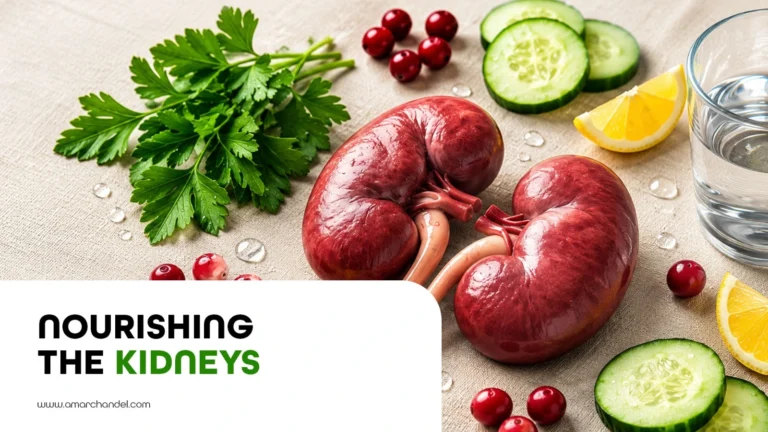
Managing chronic kidney disease through nutrition relies on balancing essential nutrients while minimising the workload on failing kidneys. Damaged kidneys…
