

Do Jal Neti Safely
An Ancient Practice Backed by Modern Medicine Using a neti pot to flush the nasal passages with salt water is…
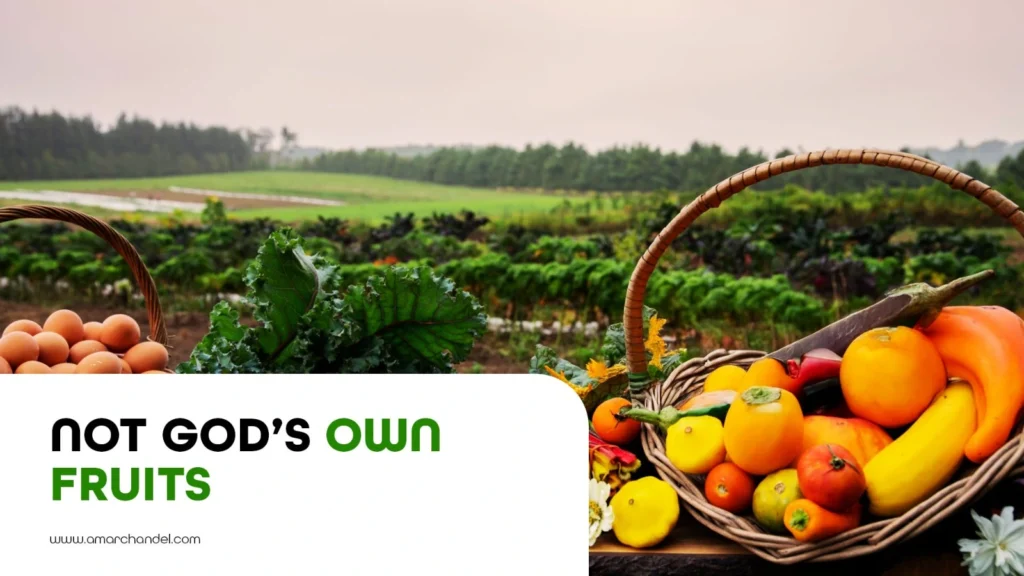
Many of the fresh, vibrant fruits and vegetables in grocery stores appear to be wild gifts of nature. However, almost everything in the produce aisle—from sweet fruits to everyday vegetables—is the result of thousands of years of human engineering, artificial selection, controlled hybridisation, or modern biotechnology.
If humans had never intervened through agriculture, our diets would consist of tiny, bitter, tough, or heavily seeded wild plants.
The “Wild Mustard” Family: Six Vegetables from One Plant
One of the most remarkable examples of human intervention is the species Brassica oleracea. Originally a leafy, bitter wild mustard plant growing on Mediterranean sea cliffs, farmers systematically transformed it into six distinct everyday vegetables over 2,500 years by selectively breeding for different plant structures:
Broccoli & Cauliflower: Farmers selectively bred plants with larger, tightly packed immature flower buds and stems.
Cabbage: Bred by selecting plants with large, tightly packed terminal leaf buds.
Brussels Sprouts: Created by selecting plants that produced swollen, compact side-buds along the main stalk.
Kale & Collard Greens: Created by selecting plants with broad, flat, open leaves.
Kohlrabi: Developed by selecting plants with swollen, turnip-like stems.
1. Bananas (Musa species)
Wild bananas were small, hard, and crammed with large, rock-solid seeds that rendered them almost completely inedible. Roughly 10,000 years ago in Southeast Asia and New Guinea, early farmers crossed two wild parent species (Musa acuminata and Musa balbisiana). The resulting offspring yielded seedless, sterile fruits with soft pulp. Because modern commercial bananas (like the Cavendish) are sterile clones without viable seeds, every banana bought in stores today must be manually propagated by humans using cuttings.
2. Watermelons
Original wild watermelons (native to Southern Africa) were small, extremely bitter, had hard pale-green interiors, and were harvested mainly for their water content rather than their flesh. Renaissance paintings from the 17th century show watermelons with compartmentalised, white-and-pink interiors. Through centuries of selective breeding, humans transformed them into large, sweet, bright-red fruits with high sugar content and thin rinds. Seedless watermelons are further engineered by crossing plants with different chromosome counts to produce sterile offspring.
3. Carrots
Wild carrots (Daucus carota), also known as Queen Anne’s Lace, are thin, tough, Woody white roots with a sharp chemical taste. Domesticated around 1,100 years ago in Central Asia, early cultivated carrots were actually purple and yellow. The bright orange carrot eaten today did not exist until Dutch growers in the 16th and 17th centuries selectively bred yellow and red mutated varieties to produce a sweeter, sweeter-tasting root richer in beta-carotene.
4. Citrus Fruits (Oranges, Grapefruits, Lemons)
Natural wild citrus species are limited to a small group of ancestral plants, primarily the Pomelo, the Mandarin, and the Citron. Almost every other citrus fruit eaten today is a human-managed hybrid:
*Sweet Oranges*: A cross between a Pomelo and a Mandarin.
Lemons: A hybrid of a Bitter Orange and a Citron.
*Grapefruits*: A relatively modern 18th-century hybrid created in Barbados when sweet oranges and pomelos accidentally cross-pollinated, after which humans selectively cultivated the results.
5. Apples (Malus domestica)
The ancestor of the modern domestic apple is Malus sieversii, native to the mountains of Kazakhstan. While wild apples exist, their taste varies wildly from tree to tree—most are sour and astringent (“spitters”). Because apple seeds do not produce trees true to their parent fruit, humans invented grafting thousands of years ago. Every commercial apple variety today—whether Honeycrisp, Gala, or Granny Smith—is a genetic clone produced by taking branches from a single desirable tree and grafting them onto rootstocks.
6. Corn / Maize (Zea mays)
Corn is perhaps the most extreme example of human crop manipulation. Its wild ancestor, a Central American grass called Teosinte, produced tiny cobs about an inch long with only 5 to 12 hard, encased kernels. Indigenous peoples in Mexico domesticated teosinte over 9,000 years ago, selectively saving seeds from plants with softer casings and larger cobs. Modern corn cannot even reproduce without human assistance, as the husks completely encase the seeds and prevent them from naturally dispersing.
How Humans Made These Foods
Selective Breeding (Artificial Selection)
Humans choose individual plants with desirable random mutations—such as sweeter fruit, larger leaves, or smaller seeds—and repeatedly breed them over many generations. Examples of foods created this way include orange carrots, cabbage, broccoli, and non-bitter watermelons.
Controlled Hybridisation
Farmers and plant breeders deliberately hand-pollinate two different plant species or cultivars to produce an entirely new plant that combines the best traits of both parents. Examples include everyday citrus fruits like sweet oranges and grapefruits, as well as novel fruit crosses like Pluots (a plum and apricot cross) and Tangelos.
Clonally Grafted Plants
Growers physically join tissue from a plant with desirable traits onto another plant’s root system. This bypasses seed reproduction to preserve exact genetic copies of the original tree or vine. Examples include modern commercial apple varieties, seedless table grapes, and Cavendish bananas.
Genetic Modification (GMO)
Scientists directly modify, add, or edit specific genes within a plant’s DNA in a laboratory to introduce targeted traits, such as viral resistance or resistance to browning. Examples include the Rainbow Papaya (engineered to resist the ringspot virus) and the Arctic Apple (engineered to suppress browning when sliced).

An Ancient Practice Backed by Modern Medicine Using a neti pot to flush the nasal passages with salt water is…
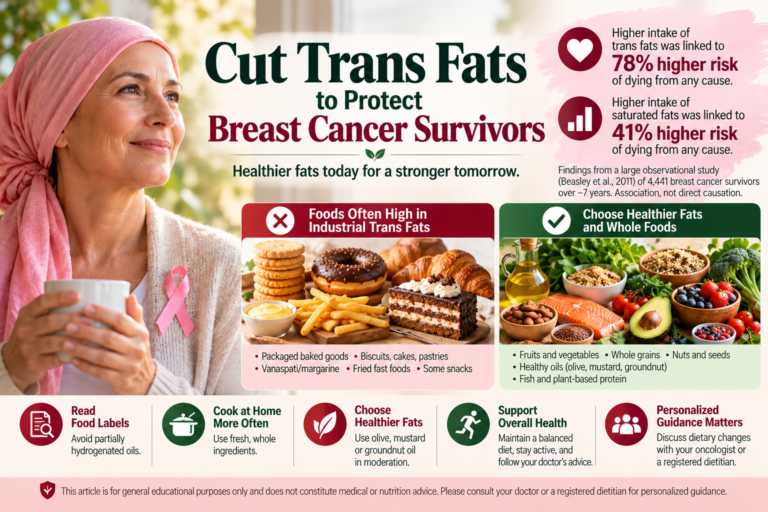
For millions of women who have completed breast cancer treatment, the transition into survivorship is marked by both relief and…
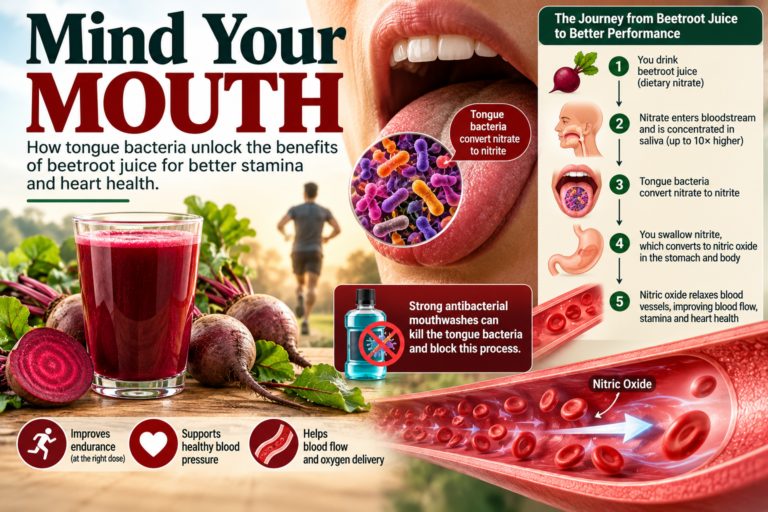
The performance boost many people attribute to a daily shot of beetroot juice does not depend solely on what is…
