

Do Jal Neti Safely
An Ancient Practice Backed by Modern Medicine Using a neti pot to flush the nasal passages with salt water is…
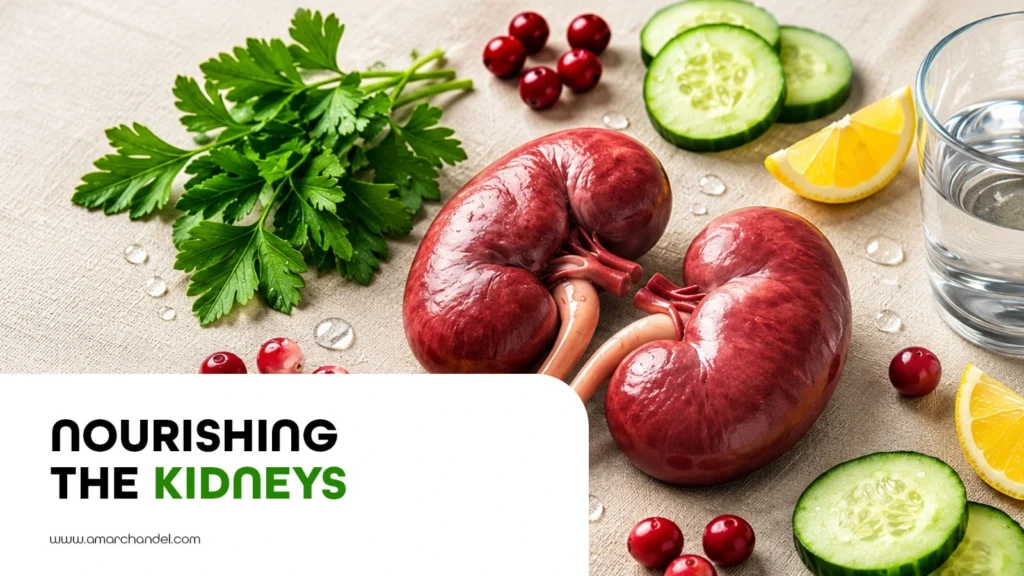
Managing chronic kidney disease through nutrition relies on balancing essential nutrients while minimising the workload on failing kidneys. Damaged kidneys lose their ability to filter metabolic waste, balance electrolytes, and regulate body fluids effectively.
Historically, restrictive diets often led to protein malnutrition and reduced quality of life. Modern renal nutrition focuses on tailored, food-first approaches that suppress systemic inflammation, control oxidative stress, and manage cardiovascular risk without causing undernutrition.
At the core of kidney-friendly nutrition is managing oxidative damage and chronic inflammation. When the body generates energy, it produces unstable molecules called free radicals that damage cell membranes, proteins, and DNA. Because individuals with kidney disease experience elevated levels of systemic inflammation, incorporating antioxidant-rich whole foods is vital. Fresh fruits and vegetables—such as red bell peppers, cabbage, cauliflower, garlic, onions, apples, cranberries, blueberries, raspberries, strawberries, cherries, red grapes, and olive oil—provide protective vitamins, polyphenols, and flavonoids.
Crucially, these specific options deliver high antioxidant value while remaining naturally low in sodium, potassium, and phosphorus.
Protein management in kidney care has evolved significantly in recent years. While high protein intake increases intraglomerular pressure and accelerates kidney function decline, overly restrictive low-protein diets carry a severe risk of muscle wasting and protein-energy wasting. Modern clinical consensus recommends a controlled protein intake of roughly 0.8 grams per kilogram of ideal body weight for non-dialysis patients, prioritising high-quality sources such as lean poultry, fish, eggs, and carefully managed plant proteins. For individuals on dialysis, protein requirements increase to replace amino acids lost during treatment.
Controlling electrolyte and mineral balance remains essential as kidney function declines. Excess sodium contributes directly to fluid retention, high blood pressure, and cardiovascular strain, making a low-sodium target of under 2,000 milligrams daily a standard recommendation.
Potassium and phosphorus also require careful monitoring. When kidneys cannot excrete excess potassium, dangerous heart arrhythmias can develop, necessitating the avoidance of high-potassium foods like bananas, potatoes, and potassium-based salt substitutes.
Excess phosphorus pulls calcium from bones, leading to mineral bone disease; managing dietary phosphorus involves avoiding processed foods containing inorganic phosphate additives, which are absorbed much more readily than organic phosphorus found in whole foods.
In India, the burden of chronic kidney disease is rising rapidly, driven primarily by high rates of type 2 diabetes and hypertension. Traditional Indian diets offer distinct advantages, including a rich reliance on naturally low-potassium, low-phosphorus vegetables like gourd varieties, cabbage, and cauliflower, alongside antioxidant-rich spices such as turmeric and ginger. However, modern dietary shifts toward processed foods, hidden sodium in commercial snacks, packaged masalas, and high-potassium salt substitutes pose growing challenges for kidney patients across the country.
Furthermore, traditional Indian cooking practices often involve heavy reliance on high-phosphorus dairy products like paneer, condensed milk, and lentils, which require precise portion adjustment by a renal dietitian. Cultivating awareness around proper food preparation—such as leaching high-potassium vegetables in warm water before cooking—helps patients retain dietary variety while staying within safe biochemical limits. As access to specialised nephrology care expands across Indian urban and rural centres, early nutritional counseling remains one of the most effective, accessible tools to delay disease progression and maintain long-term quality of life.
References and Primary Sources
1. National Kidney Foundation. “KDOQI Clinical Practice Guideline for Nutrition in CKD: 2020 Update.” American Journal of Kidney Diseases (2020).
2. Kalantar-Zadeh, K., et al. “Plant-dominant low-protein diet for conservative management of chronic kidney disease.” Current Opinion in Nephrology and Hypertension (2020).
3. Kidney Disease: Improving Global Outcomes (KDIGO) CKD Work Group. “KDIGO 2024 Clinical Practice Guideline for the Evaluation and Management of Chronic Kidney Disease.” Kidney International (2024).
4. Indian Society of Nephrology. “Guidelines for Diagnosis and Management of Chronic Kidney Disease in India.” Indian Journal of Nephrology.
5. World Health Organisation (WHO). “Sodium intake for adults and children: Global guidelines and cardiovascular outcomes.

An Ancient Practice Backed by Modern Medicine Using a neti pot to flush the nasal passages with salt water is…

For millions of women who have completed breast cancer treatment, the transition into survivorship is marked by both relief and…
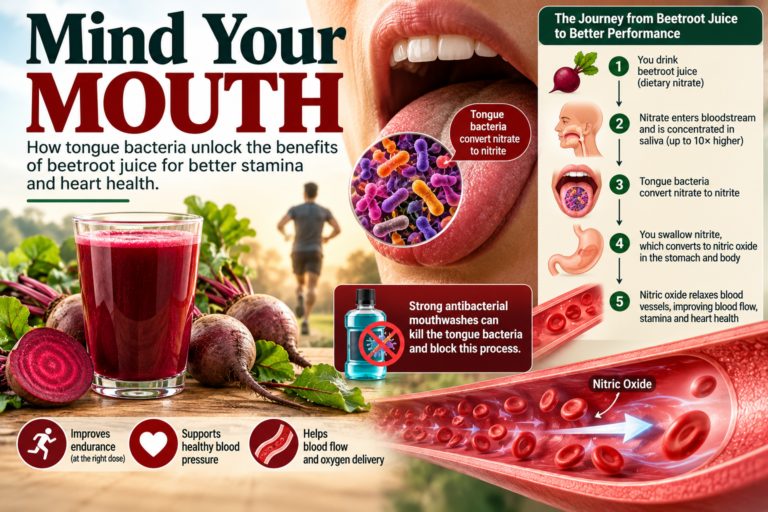
The performance boost many people attribute to a daily shot of beetroot juice does not depend solely on what is…
