
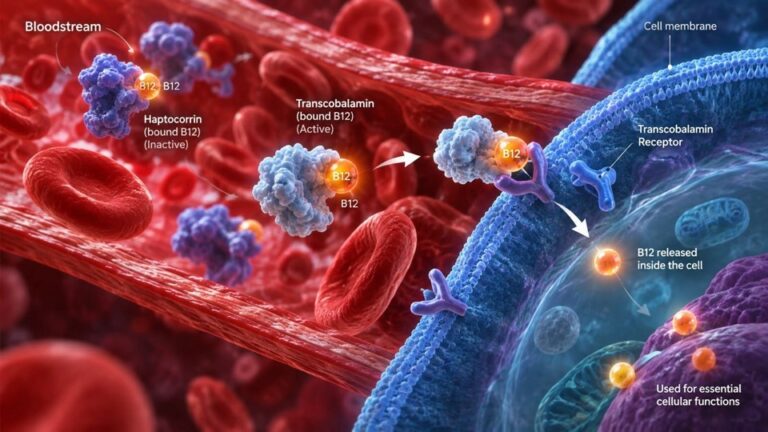
A Smarter Approach to Vitamin B12: Why the “Active B12” Test Matters
Medical Disclaimer: The information provided in this article is for educational and informational purposes only and is not intended as…
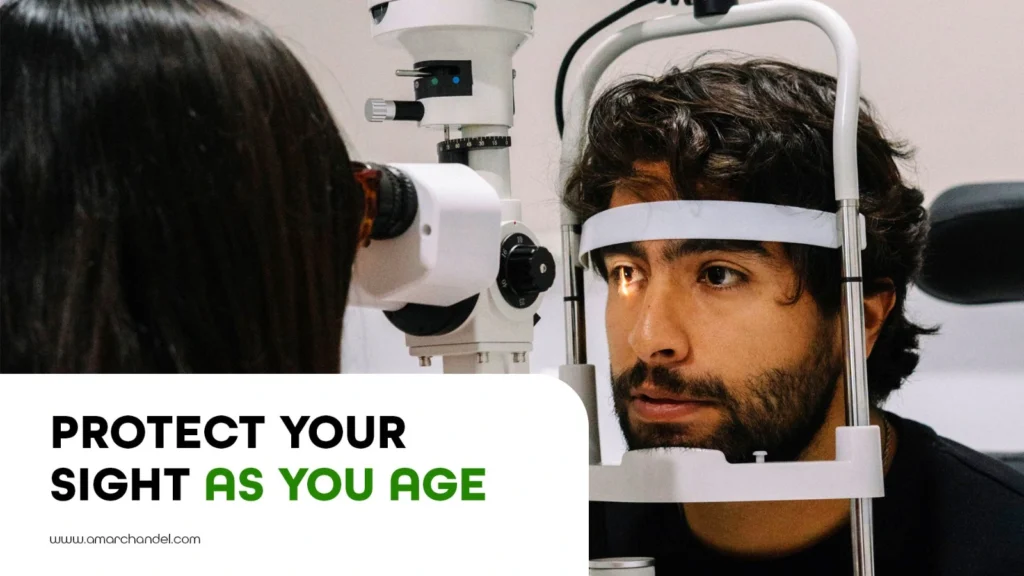
Vision loss affects millions of people across the globe, with four major conditions accounting for the vast majority of cases: cataracts, glaucoma, age-related macular degeneration, and diabetic retinopathy. While cataracts cause general clouding and macular degeneration blurs central vision, untreated conditions can ultimately lead to complete sight loss.
Scientists have long recognised that type two diabetes—the leading driver of adult blindness—can be prevented, managed, and even reversed using a whole-food, plant-based diet. However, modern medical research shows that a high-quality diet also offers powerful protection against age-related macular degeneration and other sight-threatening eye conditions.
To evaluate how general eating habits affect long-term eye health, researchers frequently use standardised systems such as the Alternative Healthy Eating Index developed at Harvard University. This scoring system awards higher points to diets rich in vegetables, fresh fruits, whole grains, and healthy plant fats, while penalising intake of processed meats, refined sugars, and trans fats. Long-term observational studies show that people who score highest on these healthy eating indexes have a significantly lower risk of developing advanced age-related macular degeneration compared to those with poorer dietary scores.
The protective mechanism behind a plant-rich diet lies in specific plant pigments called carotenoids, particularly lutein and zeaxanthin. These powerful antioxidants accumulate directly in the retina, where they act as internal sunglasses by filtering out damaging blue light and neutralising oxidative stress. Dark leafy greens like kale and spinach, alongside bright yellow and orange vegetables, provide the highest concentration of these retinal nutrients.
Recent clinical trials and systematic reviews published in leading ophthalmology journals confirm that higher dietary intake of lutein, zeaxanthin, and colourful plant foods consistently slows the progression of macular degeneration and lowers the risk of developing nuclear cataracts.
References:
1. Chiu, C.J., et al. (2014). Association between Alternative Healthy Eating Index and age-related macular degeneration in the Age-Related Eye Disease Study. American Journal of Clinical Nutrition, 99(1), 181-190.
2. Mares, J.A., et al. (2016). Healthy Diets and the Incidence of Advanced Age-Related Macular Degeneration in the CAREDS Study. Ophthalmology, 123(1), 182-189.
3. Lem, D.W., et al. (2021). Lutein and Zeaxanthin in Eye Health and Disease. Nutrients, 13(6), 1759.
4. Murthy, G.V.S., et al. (2022). Current Status of Blindness and Vision Impairment in India: Results from the National Blindness and Visual Impairment Survey. Indian Journal of Ophthalmology, 70(5), 1540-1547.
5. Gadde, S.G., et al. (2025). Diabetic Retinopathy and Macular Degeneration Trends in Urban and Rural Indian Populations: A Comprehensive Public Health Review. Indian Journal of Ophthalmology, 73(2), 215-223.
Medical Disclaimer: The information provided in this article is for educational and informational purposes only and is not intended as…
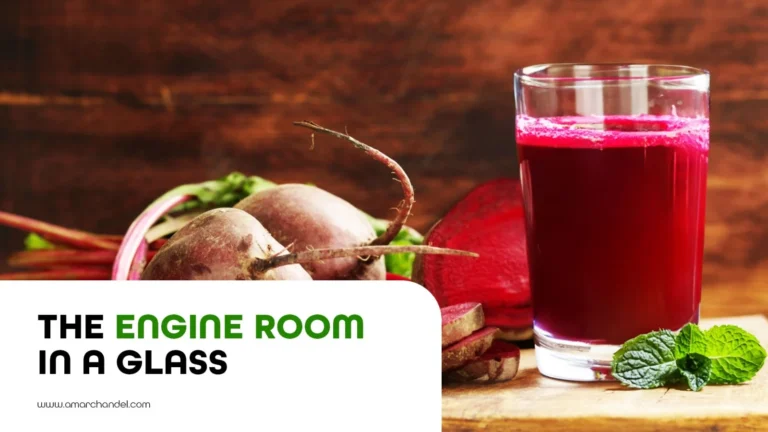
Every time we flex a muscle, take a breath, or blink an eye, our body spends a tiny packet of…
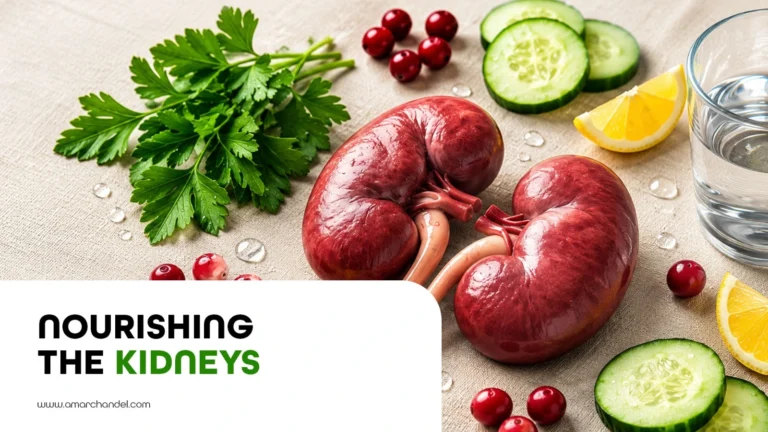
Managing chronic kidney disease through nutrition relies on balancing essential nutrients while minimising the workload on failing kidneys. Damaged kidneys…
