
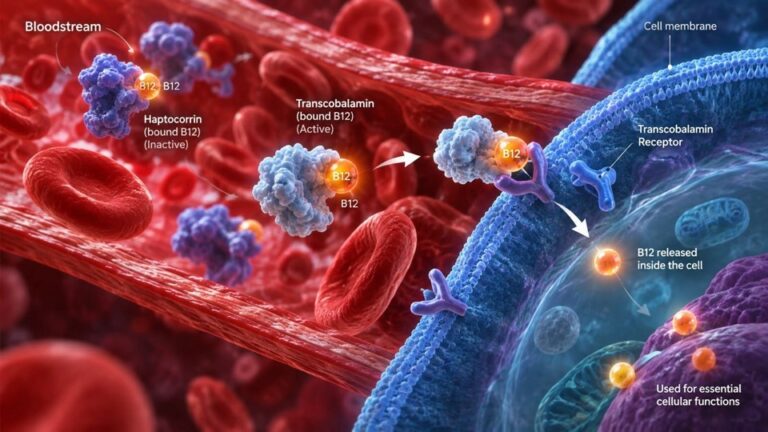
A Smarter Approach to Vitamin B12: Why the “Active B12” Test Matters
Medical Disclaimer: The information provided in this article is for educational and informational purposes only and is not intended as…
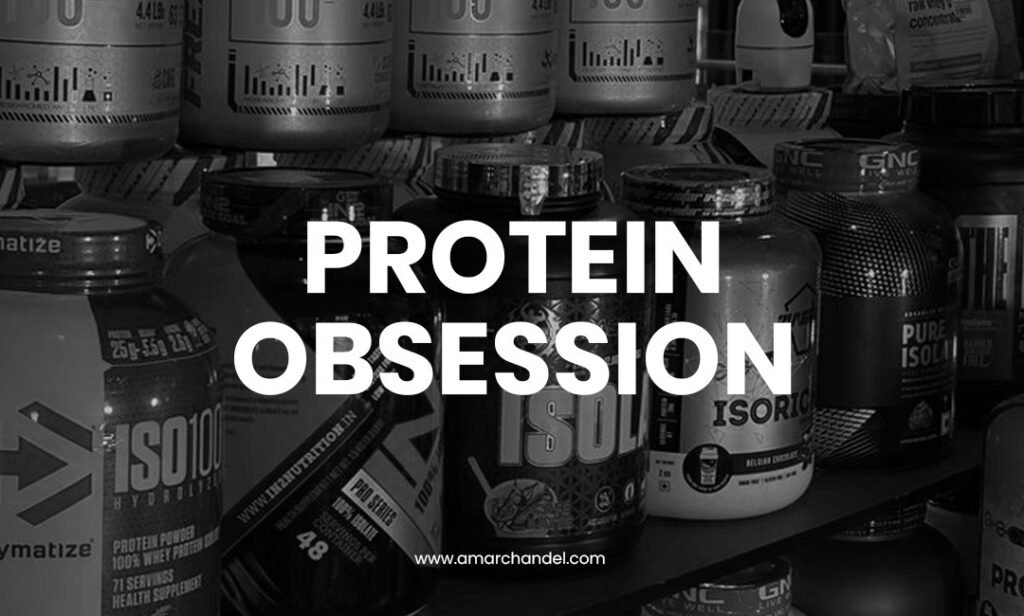
Humans consume far more protein than physiologically required, yet the myth of deficiency persists. Evolution, epidemiology, kidney science, cardiovascular data, and athletic studies all confirm: excess protein is unnecessary, burdensome, and potentially harmful. Plants provide all required amino acids safely, without the metabolic, hormonal, and environmental costs of meat, eggs, and dairy.
The Recommended Dietary Allowance (RDA) for protein is about 0.8 grams per kilogram of body weight per day for adults. For a 70 kg adult, that’s only 56 grams—roughly the protein in two cups of lentils. Yet the average American consumes 100–120 grams daily, often 3–4 times the physiological minimum. Multiple meta-analyses confirm that healthy adults meet protein needs easily with modest plant intake.
Hunter-gatherer studies show early humans obtained only 10–15% of calories from protein. Our bodies evolved on moderate protein intake, with survival, reproduction, and longevity tuned to modest, not excessive, protein.
Protein beyond daily needs is not “extra muscle.” Surplus amino acids are converted into glucose or fat via gluconeogenesis, and stored as adipose tissue. So overeating protein contributes to weight gain, not strength.
High animal protein intake elevates IGF-1, a growth factor linked to accelerated ageing and cancer. Low-protein diets, especially plant-based, reduce IGF-1, promoting longevity. Harvard studies show this correlation is strong in adults over 50.
High protein intake increases glomerular filtration, urea, and nitrogen excretion, stressing the kidneys. Populations consuming 2–3x RDA experience higher chronic kidney disease risk over decades.
Protein metabolism, especially from meat, produces sulfuric acid. The body neutralises it by leaching calcium and magnesium from bones, weakening the skeletal system—a hidden risk of chronic overconsumption.
A combination of grains, legumes, nuts, and seeds easily meets daily amino acid needs. Even athletes can meet requirements without meat, eggs, or dairy. The “protein myth” persists despite abundant plant evidence.
Strength gains depend on training, not protein beyond RDA. Studies in sports nutrition show no added muscle benefit when intake exceeds 1.6 g/kg/day, yet many consume 2–3x this amount.
The 2014 Cell Metabolism study demonstrated that adults (50–65 years) consuming high animal protein had 4x higher cancer mortality than low-protein eaters. Protein excess, not deficiency, is the danger.
Excess animal protein, saturated fat, and cholesterol increase LDL cholesterol and vascular inflammation, while modest protein—especially plant-based—supports heart health.
Although protein needs slightly increase with age to prevent sarcopenia, studies show even 1–1.2 g/kg/day suffices, far below typical consumption of 1.5–2x RDA in elderly populations.
High animal protein elevates amino acids like leucine and methionine, activating mTOR and promoting insulin resistance. Excess protein contributes to diabetes risk.
Consuming 3–4x protein often displaces fruits, vegetables, and fibre, resulting in micronutrient deficiencies, poor gut health, and oxidative stress.
Excess protein creates nitrogenous waste and ammonia, burdening the liver and kidneys. Chronic overload increases systemic inflammation.
Meta-analyses in sports nutrition show no benefit for muscle synthesis beyond ~1.6 g/kg/day. Most people overshoot without even training.
Marketing and “fitness culture” exaggerate protein requirements. The body is perfectly capable of recycling amino acids, producing non-essential ones, and storing none—excess protein is redundant.
Excess animal protein and dairy elevate IGF-1 and mTOR, which promote tumour growth. Moderate intake from plants avoids this risk while meeting physiological needs.
Plant proteins, combined properly (grains + legumes), provide full amino acid profiles without harmful fats, hormones, or antibiotics found in animal sources.

Centenarians in Okinawa, Nicoya, and Sardinia consume <10% of calories from protein, mostly plant-based, yet maintain health, strength, and fertility—evidence that 3–4x RDA is unnecessary.
Excess protein, especially from meat, slows digestion, fosters harmful gut bacteria, and increases TMAO and endotoxins—demonstrating physiological limits to overconsumption.
RDA includes a 20–25% safety margin. People consuming 2–3x protein overshoot by hundreds of percent, yet obsess over “deficiency,” misunderstanding safety buffers as minimal requirements.
Even elite athletes benefit from only 1.2–1.6 g/kg/day. Beyond this, muscle gains plateau; excess protein offers no advantage but increases metabolic burden.
The popular idea that adults “must eat meat to avoid deficiency” is unfounded. WHO and Harvard confirm plant-based diets can easily meet RDA; overconsumption is culturally reinforced, not biologically necessary.
Nitrogenous wastes require water excretion. Overconsumption of protein without sufficient hydration strains kidneys and can lead to chronic dehydration, kidney stones, and electrolyte imbalance.
Protein supplements, whey powders, and “high-protein” products fuel fear, not need. Actual deficiency is rare except in severe malnutrition. Most modern populations ingest 3–4 times more protein than needed, yet are obsessed with “shortfall,” demonstrating a cultural, not physiological, problem.
Medical Disclaimer: The information provided in this article is for educational and informational purposes only and is not intended as…
Every time we flex a muscle, take a breath, or blink an eye, our body spends a tiny packet of…
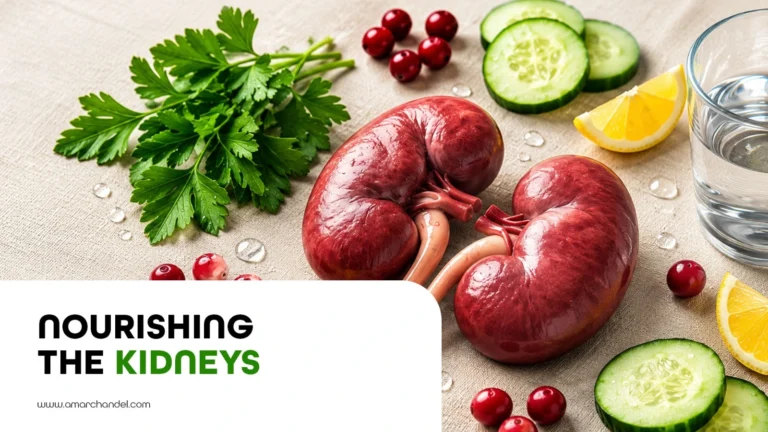
Managing chronic kidney disease through nutrition relies on balancing essential nutrients while minimising the workload on failing kidneys. Damaged kidneys…
