

Do Jal Neti Safely
An Ancient Practice Backed by Modern Medicine Using a neti pot to flush the nasal passages with salt water is…
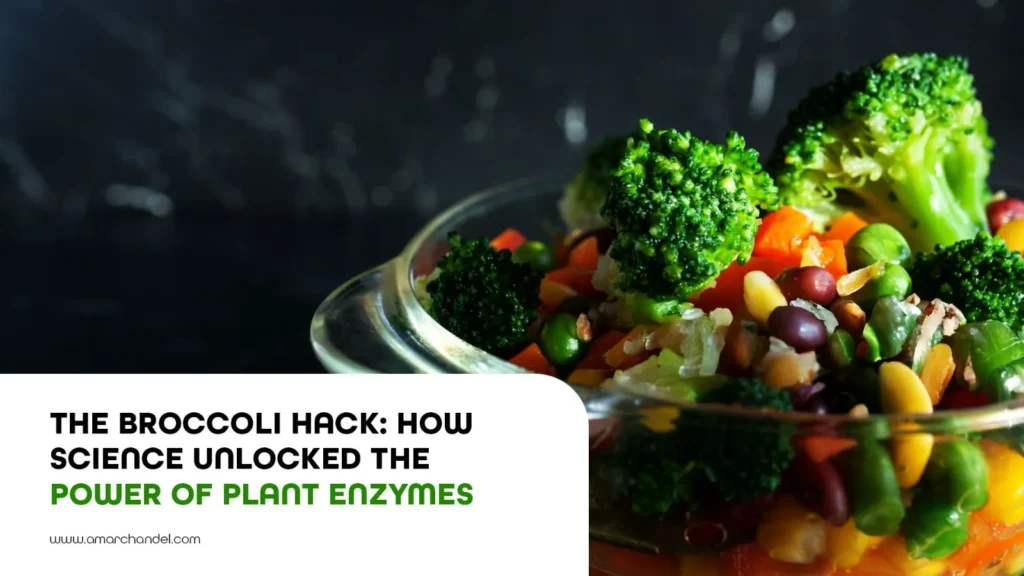
The raw food community has long argued that we must eat uncooked plants to preserve delicate enzymes that would otherwise be destroyed by kitchen heat. Skeptics often reply that humans produce all their own metabolic digestive enzymes, making plant enzymes redundant. Modern nutritional science shows that both views miss the bigger picture. While human digestion relies heavily on internal digestive juices, there are specific instances where plant enzymes play an irreplaceable role in unlocking potent health compounds. The creation of sulforaphane—a natural plant compound renowned for its anti-inflammatory, antioxidant, and cellular protective properties—is the classic example.
Sulforaphane does not simply sit inside a fresh broccoli floret waiting to be absorbed. Instead, it requires a chemical reaction between two distinct components stored inside the plant’s cells. One is a precursor compound named glucoraphanin, and the other is a plant enzyme called myrosinase. When you chop, slice, or chew raw broccoli, cellular walls break apart, allowing myrosinase to interact with glucoraphanin. This interaction instantly generates sulforaphane. The dilemma comes down to basic kitchen physics: while glucoraphanin and sulforaphane are relatively heat-stable, the myrosinase enzyme is extremely sensitive to heat and is quickly deactivated by steaming, microwaving, or boiling.
Scientists initially wondered why trace amounts of sulforaphane were still detectable in human blood and urine after eating thoroughly cooked broccoli. Laboratory experiments revealed that certain friendly bacteria residing within the human gut microbiome produce their own myrosinase-like enzymes. When cooked broccoli reaches the large intestine, these gut microbes can slowly process the remaining precursor compounds into sulforaphane. However, this microbial conversion is far less efficient than the plant’s own enzymatic reaction. Studies show that relying solely on gut bacteria yields only a small fraction of the sulforaphane that you would absorb from eating raw broccoli.
To overcome this nutritional bottleneck without forcing everyone to eat raw vegetables, researchers identified a clever culinary technique known as the chop-and-hold method. By chopping, dicing, or processing fresh broccoli while it is completely raw, you trigger the myrosinase enzyme to produce sulforaphane immediately. If you allow the chopped broccoli to sit on your cutting board for thirty to forty minutes, the enzyme completes its work. Because sulforaphane itself withstands high temperatures, you can subsequently cook, steam, or roast the vegetable without losing its protective health benefits. Pre-chopped broccoli bags sold in supermarkets often undergo a similar enzymatic transformation while sitting in cold storage.
For those who prefer not to wait forty minutes, recent clinical nutrition studies offer an even simpler solution: adding a fresh source of active myrosinase back into cooked cruciferous vegetables at the table. Raw cruciferous foods—such as ground mustard seed powder, grated horseradish, radishes, arugula, or raw cabbage—are rich in active myrosinase.
Dusting cooked broccoli, kale, or Brussels sprouts with a small pinch of mustard powder reactivates the sulforaphane production cycle entirely. This restoration strategy is particularly valuable for commercially frozen broccoli, which is pre-blanched in factory water to deactivate enzymes and preserve shelf life, leaving it completely unable to form sulforaphane on its own unless paired with fresh cruciferous ingredients.
This biochemical principle holds immense practical relevance across India, where cruciferous vegetables are dietary staples but are rarely consumed raw. In Indian home cooking, vegetables like cauliflower (gobhi), cabbage (patta gobhi), and radish (mooli) are traditionally cooked thoroughly into spicy curries, stir-fries, and parathas. High-heat cooking methods such as boiling, pressure cooking, and deep frying destroy the delicate myrosinase enzyme completely, preventing sulforaphane from forming despite abundant glucoraphanin in local produce.
Furthermore, urban lifestyle changes across Indian metro cities have led to a rapid rise in the consumption of convenience-oriented frozen vegetables and pre-cut produce mixes. Because industrial freezing processes require blanching, these convenience options lack active enzymes. However, traditional Indian culinary practices offer a natural workaround. Classic Indian condiments—such as fresh raw radish salad (mooli kachumber), raw mustard seeds used in tempers (tadka), or spicy mustard pastes (like Bengali kasundi)—are packed with live myrosinase. Pairing thoroughly cooked gobhi or cabbage dishes with a spoonful of fresh raw radish salad or a light sprinkle of raw yellow mustard powder allows Indian households to enjoy traditional cooked meals while reaping full chemoprotective benefits.
References and Sources:
1. Saha, S., et al. “Sulforaphane-enriched extracts from glucoraphanin-rich broccoli exert antimicrobial activity against gut pathogens in vitro and innovative cooking methods increase in vivo intestinal delivery of sulforaphane.” Journal of Functional Foods / University of Reading Repository.
2. American Institute for Cancer Research (AICR). “New Research Reveals How to Prepare Foods to Boost Cancer-Fighting Activity.”
3. Dosz, E. B., & Jeffery, E. H. “Modifying the processing and handling of frozen broccoli for increased sulforaphane formation.” Journal of Food Science, 78(9), H1459-H1463.
4. Fahey, J. W., et al. “Conversion of glucosinolates to isothiocyanates in humans after ingestion of cooked watercress: gut microbiota involvement.” Cancer Epidemiology, Biomarkers & Prevention, 21(9), 1445-1451.
5. Indian Council of Medical Research (ICMR) – National Institute of Nutrition (NIN). “Nutritional Value of Indian Foods and Bioactive Phytochemical Retention in Traditional Cooking Methods.

An Ancient Practice Backed by Modern Medicine Using a neti pot to flush the nasal passages with salt water is…
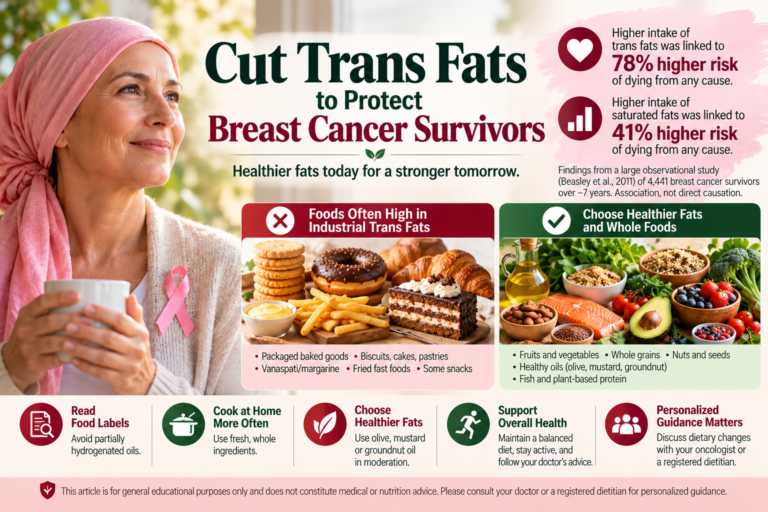
For millions of women who have completed breast cancer treatment, the transition into survivorship is marked by both relief and…

The performance boost many people attribute to a daily shot of beetroot juice does not depend solely on what is…
