

Do Jal Neti Safely
An Ancient Practice Backed by Modern Medicine Using a neti pot to flush the nasal passages with salt water is…
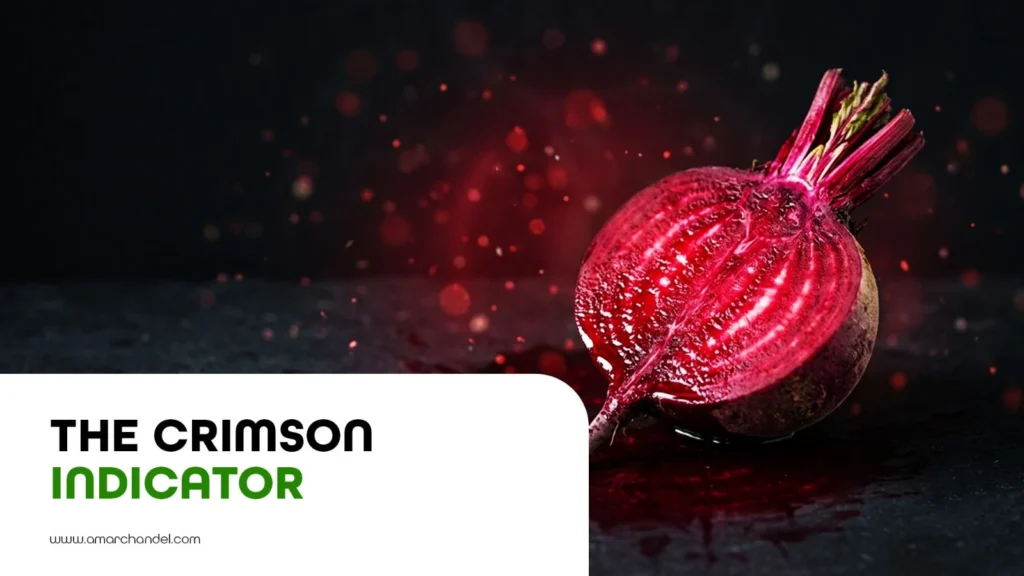
Passing pink or reddish urine after eating beetroot is a harmless condition known as beeturia. While seeing a unexpected splash of colour in the toilet bowl can be alarming, it simply means that your body has excreted some of the vibrant natural pigments, known as betalains, found in the root vegetable. However, this colourful quirk serves as a striking visual reminder of how our digestive system functions.
Plant pigments and beneficial phytonutrients do not travel directly from the stomach to the bladder. The only way these pigments can end up in urine is by first passing through the intestinal wall, entering the bloodstream, circulating around the entire body, and finally being filtered out by the kidneys.
This journey through the bloodstream applies to many active compounds found in our diet. A classic parallel is the phenomenon of garlic breath. The lingering smell on one’s breath after eating garlic is not merely caused by leftover food particles stuck between the teeth. Instead, sulfur compounds from the garlic are absorbed into the bloodstream, carried through the circulatory system to the lungs, and exhaled through the airways. This physiological route explains why dietary garlic exerts genuine antibacterial and immune-supporting effects inside body tissues rather than just in a test tube, as active volatile compounds are continuously released through the respiratory lining.
Beyond causing harmless pink urine and reddish stools, beetroot consumption can sometimes lead to another unusual observation. Pathologists and clinical researchers have documented cases where heavy beetroot intake temporarily stains the lining of the large intestine a deep purple hue, a harmless condition known as colon beeturia. Modern gastroenterology research shows that whether a person experiences beeturia or intestinal staining depends heavily on stomach acidity, gut transit time, and individual variation in metabolic enzymes. When stomach acid levels are low, less pigment is broken down during digestion, allowing more intact betalain molecules to enter circulation.
Recent scientific studies have revealed that betalain pigments are far more than mere biological markers. Modern clinical trials demonstrate that these natural compounds possess potent antioxidant, anti-inflammatory, and liver-protective properties.
Once absorbed into the bloodstream, betalains help reduce systemic oxidative stress and protect vascular tissue from inflammation. Furthermore, ongoing research into gut microbiome health suggests that unabsorbed beetroot pigments act as prebiotics in the lower intestine, nourishing beneficial gut bacteria before eventually passing out of the body.
Sources and References:
Frank, T. et al. (2005) “Systemic bioavailability of betalains of red beet through the consumption of beetroot juice in humans,” Pharmacological Research, 52(4), pp. 290–297.
Clifford, T. et al. (2015) “The potential benefits of red beetroot supplementation in health and disease,” Nutrients, 7(4), pp. 2801–2822.
Saha, P. et al. (2021) “Betalains from beetroot: Bioaccessibility, systemic absorption, and health benefits,” Journal of Functional Foods, 85, p. 104623.
Rao, A. and Sreedhar, B. (2019) “Clinical implications of dietary beeturia and its association with iron deficiency in Indian clinical settings,” Indian Journal of Clinical Biochemistry, 34(2), pp. 185–192.
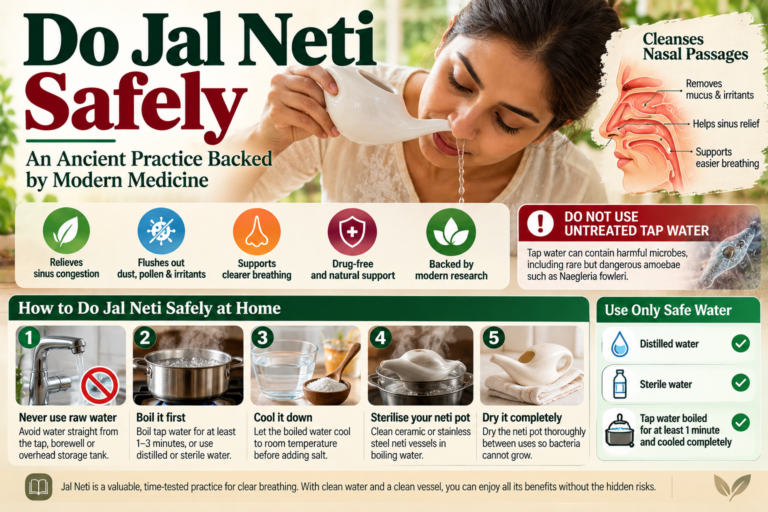
An Ancient Practice Backed by Modern Medicine Using a neti pot to flush the nasal passages with salt water is…

For millions of women who have completed breast cancer treatment, the transition into survivorship is marked by both relief and…
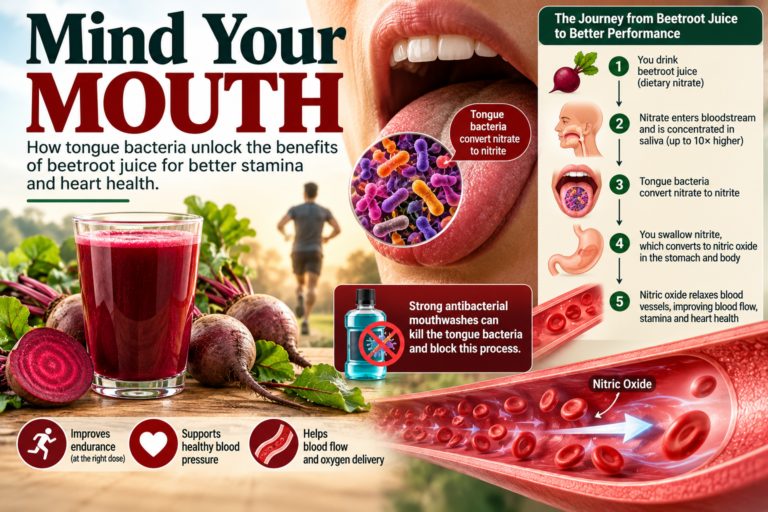
The performance boost many people attribute to a daily shot of beetroot juice does not depend solely on what is…
