

Do Jal Neti Safely
An Ancient Practice Backed by Modern Medicine Using a neti pot to flush the nasal passages with salt water is…
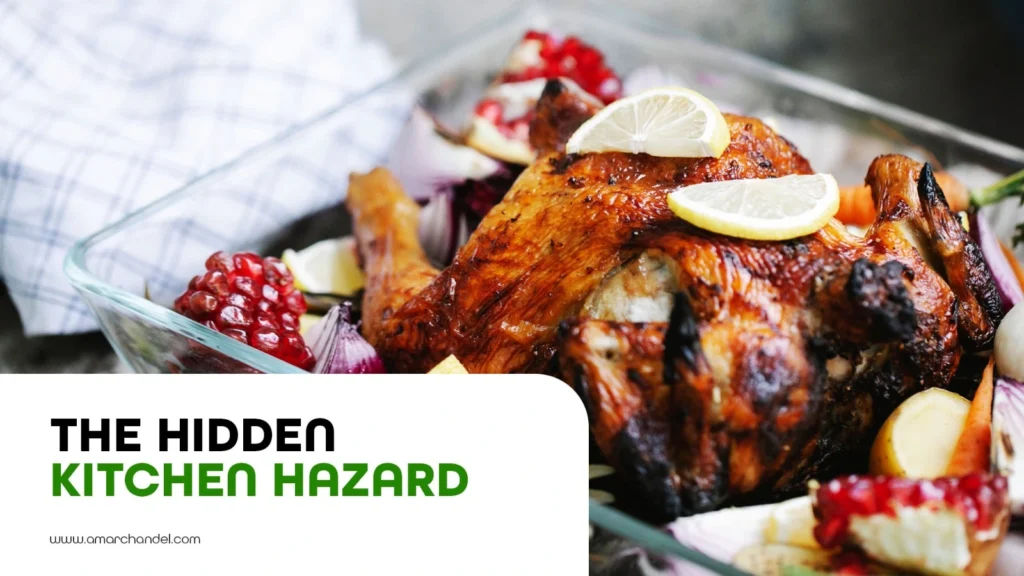
A substantial proportion of fresh retail poultry sold globally carries Campylobacter, one of the most common causes of bacterial food poisoning in humans. Food safety agencies in both Europe and North America consistently report high rates of contamination on raw chicken carcasses, with some regions recording the presence of the bacteria in over half of retail samples.
Additionally, public health researchers have raised growing concerns over antimicrobial resistance, as many strains of Campylobacter found in supermarket meat no longer respond to standard antibiotics. However, not every strain poses the same level of danger to human nerves. Only specific neuropathic strains possess the molecular structure that tricks the human immune system into attacking its own nerve cells and triggering a form of paralysis known as Guillain-Barré syndrome.
Scientific evaluations of retail chicken isolates show that roughly half to two-thirds of the bacteria present carry these potentially neuropathic traits, meaning that taking home contaminated poultry carries a real, if unpredictable, risk.
While many consumers worry about undercooking their meat, rare or raw chicken is seldom consumed deliberately. Cooking chicken thoroughly to the recommended internal temperature reliably destroys all bacterial pathogens, including Campylobacter, rendering the cooked meat completely safe to eat. The true hazard lies in the period between unpacking the raw meat and putting it in the pan. Bacteria on the surface of raw poultry easily transfer onto kitchen taps, chopping boards, worktops, utensils, and unwashed hands. From there, the pathogens can spread to ready-to-eat foods such as fresh salads, bread, or pre-cooked side dishes that undergo no further heat treatment. In this way, a person can contract severe food poisoning or a neuropathic infection without ever eating undercooked meat.
Despite high public interest in clearer hygiene warnings, mandatory consumer labels explicitly warning of bacterial contamination risks on raw meat remain rare. Consumer surveys show that many shoppers favour prominent warning labels that identify raw poultry and eggs as potential sources of pathogens like Salmonella and Campylobacter.
However, regulatory authorities and industry stakeholders have historically hesitated to introduce explicit danger warnings on packaging. Studies indicate that placing explicit risk warnings directly on food packages can trigger sharp drops in consumer demand for poultry and meat products.
Regulators have instead opted for general safe-handling guidelines, such as advising consumers not to wash raw chicken under the tap, as splashing water spreads invisible bacteria over large areas of the kitchen.
References and Sources:
1. European Food Safety Authority (EFSA) and European Centre for Disease Prevention and Control (ECDC). Annual EU One Health Zoonoses Report: Campylobacter prevalence and human cases in Europe.
2. United States Department of Agriculture (USDA) Food Safety and Inspection Service (FSIS). Campylobacter Questions and Answers: Safe Food Handling and Cross-Contamination.
3. Indian Council of Medical Research (ICMR-FoodNet) and National Institute of Virology (NIV). Emergence of Guillain-Barré Syndrome: A Growing Concern of Campylobacter jejuni in India.
4. Journal of Animal Research / ResearchGate. Prevalence and Antimicrobial Resistance Pattern of Campylobacter Species Among Poultry and Poultry Handlers in India.
5. NutritionFacts.org. Food Poisoning Bacteria Cross-Contamination and Public Health Labeling.
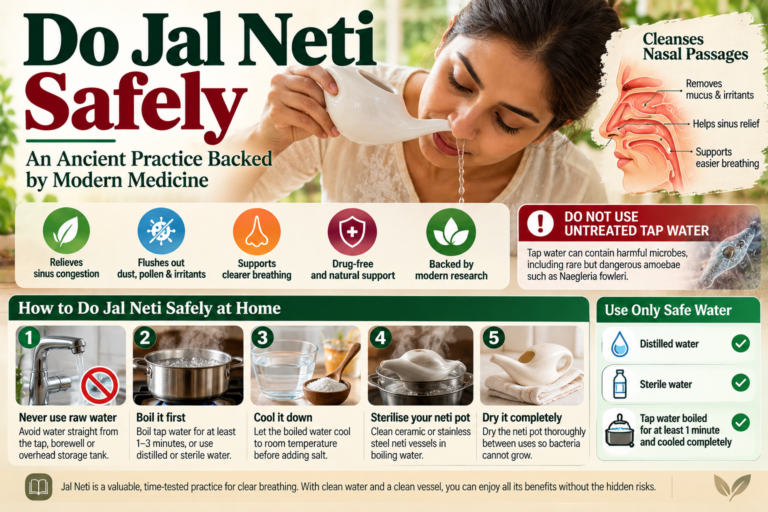
An Ancient Practice Backed by Modern Medicine Using a neti pot to flush the nasal passages with salt water is…
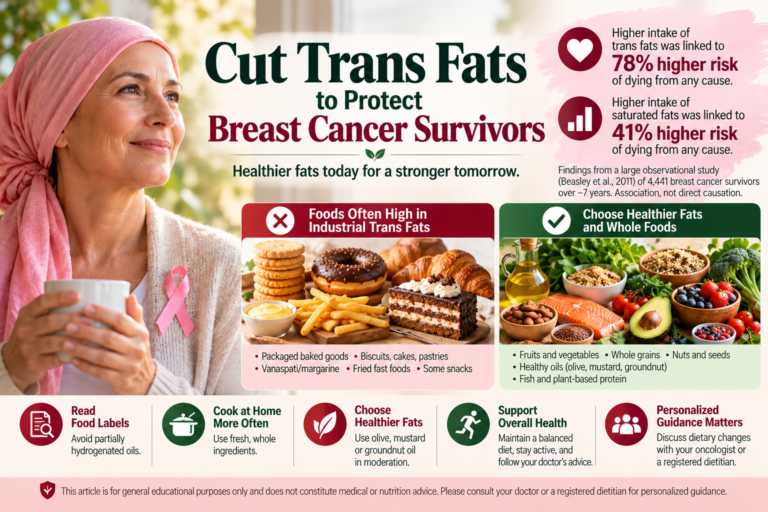
For millions of women who have completed breast cancer treatment, the transition into survivorship is marked by both relief and…

The performance boost many people attribute to a daily shot of beetroot juice does not depend solely on what is…
