

Do Jal Neti Safely
An Ancient Practice Backed by Modern Medicine Using a neti pot to flush the nasal passages with salt water is…
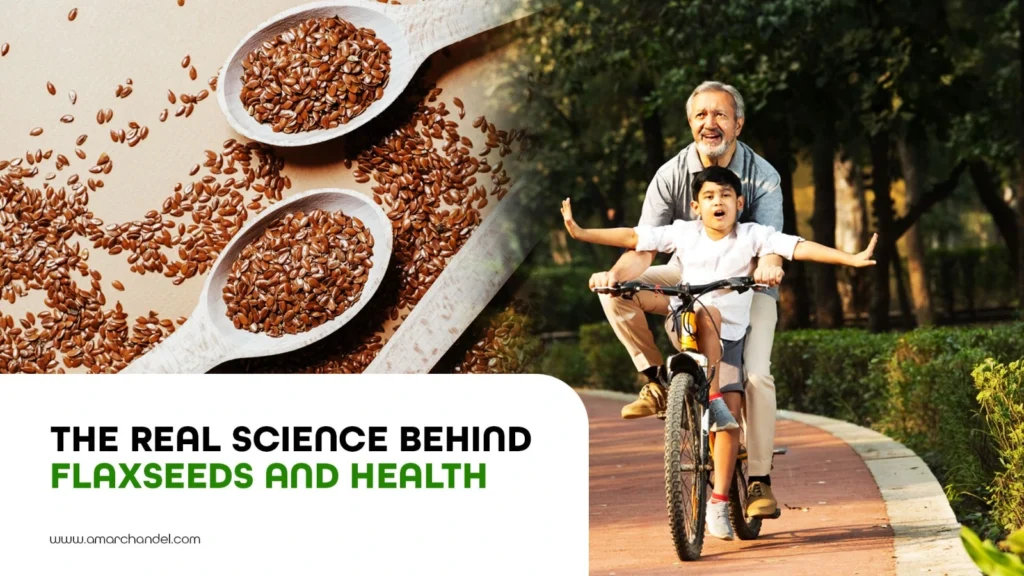
Flaxseeds are widely recognised as the richest plant source of compounds known as lignans. However, saying that flaxseeds contain lignans is not entirely accurate. Similar to how raw broccoli contains the building blocks for sulforaphane rather than the finished compound itself, flaxseeds contain precursor molecules. The main precursor, secoisolariciresinol diglucoside, must interact with the friendly bacteria living in the human digestive system. These gut microbes ferment the precursors and convert them into active forms called enterolignans, which the body can then absorb into the bloodstream. In simple terms, unlocking the health benefits of flaxseeds requires a team effort between the food you eat and the microbes living in your gut.
For a long time, the large intestine was viewed merely as a simple removal tube designed to absorb extra water and discard waste. Modern medical science now views the gut microbiome as a dynamic organ in its own right. Housing trillions of beneficial microbes, the human gut contains the highest concentration of microorganisms found anywhere on Earth. This microscopic ecosystem carries out complex chemical work, breaking down dietary components, neutralising toxins, and activating essential nutrients so the body can use them efficiently.
This vital relationship helps explain why disruptions to gut bacteria can have widespread health consequences. For instance, frequent use of broad-spectrum antibiotics can wipe out large populations of beneficial microbes. When these helpful bacteria are reduced, the body loses part of its ability to process plant-based nutrients into protective compounds like enterolignans. Recent clinical research shows that these converted lignan metabolites play a meaningful role in long-term wellness. Studies from institutions such as the University of Toronto have highlighted how flaxseed consumption and gut microbial activity interact to influence gene expression and lower breast cancer risk, particularly by regulating key growth pathways.
Most people only consider their digestive health when experiencing immediate problems, such as stomach upsets or diarrhoea. However, maintaining a diverse and healthy gut microbiome is about far more than preventing digestive discomfort. It is essential for maximising the absorption of protective phytonutrients across your entire diet. Consuming whole or freshly ground flaxseeds provides the ideal raw materials for gut bacteria to produce compounds that support cellular health, metabolic balance, and immune system performance.
In India, flaxseeds—traditionally known as alsi—have been used for generations in Ayurvedic remedies and regional winter recipes like alsi pinni. As urban populations increasingly shift toward modern dietary habits and processed foods, interest in functional foods has driven a major resurgence in flaxseed consumption across the country. Indian nutritionists and health authorities now frequently advocate adding ground alsi to daily staples such as roti dough, dals, and breakfast cereals to combat rising lifestyle disorders like heart disease and diabetes.
The Food Safety and Standards Authority of India (FSSAI) recognises flaxseeds and flaxseed oil as rich natural sources of alpha-linolenic acid (an essential omega-3 fatty acid) and plant lignans. Under national food safety and labelling standards, manufacturers marketing flaxseed products are regulated to ensure purity and prevent misleading health claims. Health experts in India particularly emphasise consuming flaxseeds in ground form rather than whole, as the tough outer shell often passes through the human digestive tract intact, preventing gut bacteria from accessing the precursors needed to create beneficial lignans.
References:
• University of Toronto / Microbiology Spectrum: Research on Flaxseed, Gut Microbiota, and Mammary Gland MicroRNA Expression.
• Cancer World & Medical News Today: Studies on Enterolignans, Dietary Flaxseed, and Breast Cancer Prevention.
• Food Safety and Standards Authority of India (FSSAI): Regulations on Edible Oils, Food Additives, and Health Claims for Linseed/Flaxseed.
• Indian Council of Medical Research (ICMR) – National Institute of Nutrition: Dietary Guidelines for Indians on Whole Grains, Seeds, and Fibre.

An Ancient Practice Backed by Modern Medicine Using a neti pot to flush the nasal passages with salt water is…
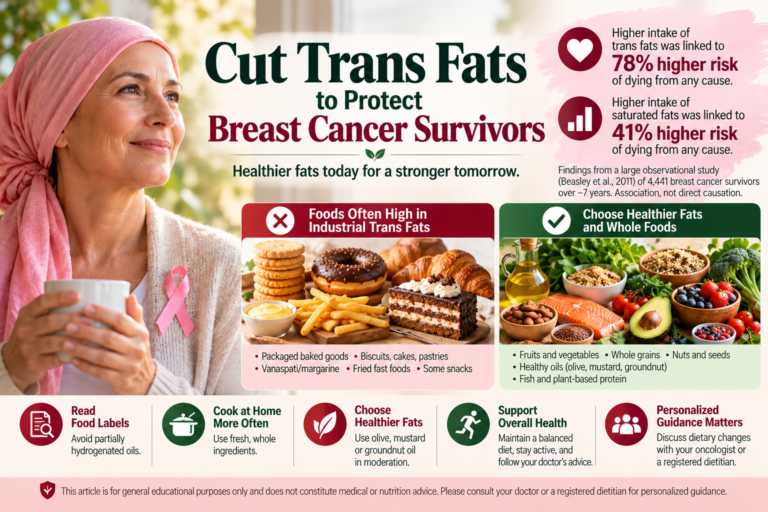
For millions of women who have completed breast cancer treatment, the transition into survivorship is marked by both relief and…

The performance boost many people attribute to a daily shot of beetroot juice does not depend solely on what is…
