

A Smarter Approach to Vitamin B12: Why the “Active B12” Test Matters
Medical Disclaimer: The information provided in this article is for educational and informational purposes only and is not intended as…
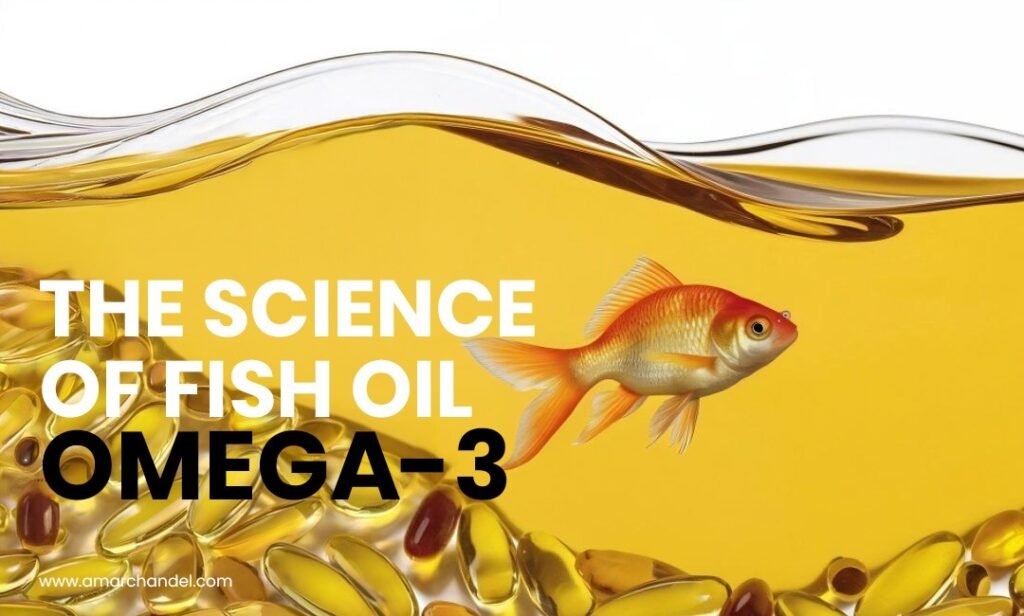
As urban diets change and lifestyles become more sedentary, the idea of taking a fish-oil capsule to protect the heart has grown in popularity. The market for omega-3 supplements (mainly from fish oil) has surged globally, often based on earlier studies that suggested marine omega-3 fatty acids might guard against heart disease. But what does the current evidence really show? And how should someone interpret this for his own health?
Let’s start with the positive side. Some earlier epidemiological research found that people who ate more oily fish (rich in EPA and DHA, the two key long-chain omega-3s) had lower rates of heart disease and sudden cardiac death. For example, a large US study found that men who ate fish one to two times per week had lower risk of sudden cardiac death compared to men who ate fish less than once a month. These kinds of findings raised hopes that fish oil supplements might replicate the benefit of fish intake.
However, when we look at the rigorous trials and meta-analyses (which pool many trials together), the picture becomes more complex and cautious. A large meta-analysis published in JAMA found that omega-3 fatty acid supplementation, when given to people with or at risk of coronary heart disease, showed no significant association with fewer fatal or non-fatal coronary events. More recently, the US National Heart, Lung, and Blood Institute noted in 2024 that taking 1 gram per day of omega-3 supplements did not significantly lower the overall risk of major cardiovascular events in a broad population without prior heart disease.
Yet there are some nuances. A meta-analysis of 38 randomised controlled trials found a modest but statistically significant reduction in cardiovascular mortality (RR 0.93) and non-fatal myocardial infarction (RR 0.87) when marine omega-3s were used, especially in trials that used EPA alone rather than a mix of EPA + DHA. Another recent meta-analysis showed a reduction in myocardial infarction, cardiovascular death and coronary revascularisation with omega-3 supplementation in certain settings (RR for MI 0.89; RR for cardiovascular death 0.92). Further, some evidence suggests fish oil supplements might raise the risk of atrial fibrillation (irregular heartbeat) in some people.

In conclusion, the current science tells us: fish oil supplements are not the sure “magic bullet” for heart disease prevention in the general population, though they may have a role in selected high-risk individuals. For India, where dietary patterns vary widely, the emphasis should be on whole-food dietary improvements and addressing the broader lifestyle factors. The story of fish oil is not one of snake-oil, but rather one of careful, modest and context-specific benefit—not wholesale replacement of lifestyle medicine with capsules.

Medical Disclaimer: The information provided in this article is for educational and informational purposes only and is not intended as…

Every time we flex a muscle, take a breath, or blink an eye, our body spends a tiny packet of…

Managing chronic kidney disease through nutrition relies on balancing essential nutrients while minimising the workload on failing kidneys. Damaged kidneys…
