
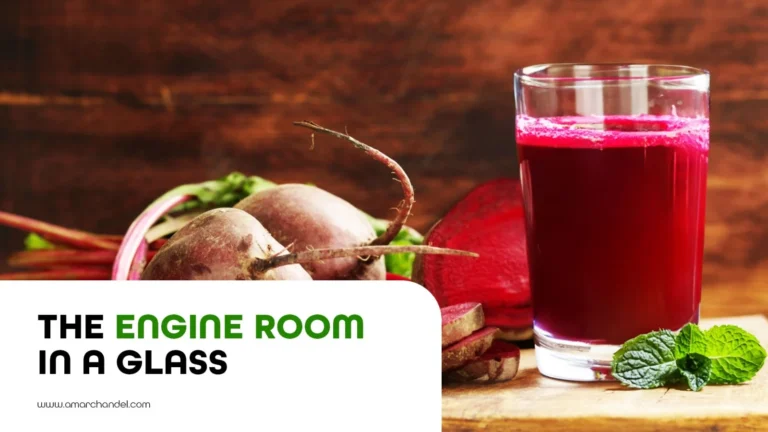
The Engine Room in a Glass
Every time we flex a muscle, take a breath, or blink an eye, our body spends a tiny packet of…
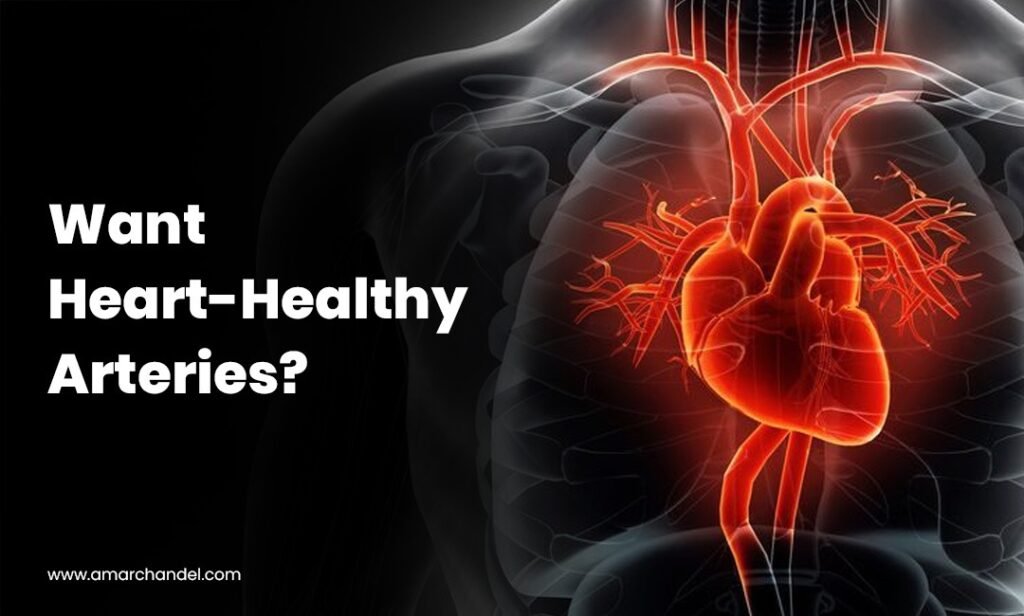
Switching to a whole-food, plant-based diet can do more than lower risk numbers — in some studies it has actually reversed coronary atherosclerosis and opened clogged arteries without drugs or surgery when done as part of an intensive lifestyle program (whole-food, low-fat vegetarian diet, exercise, stress management and social support). This is best shown in landmark lifestyle trials led by Dean Ornish and colleagues.
If we want to know who is at high risk before the first heart attack, looking directly at arterial health is attractive. Coronary CT angiography can show coronary arteries in detail, but it uses ionising radiation — and that radiation is not without long-term risk: population estimates suggest CT imaging contributes to a measurable number of future cancers if used indiscriminately, so we prefer lower-risk methods for screening healthy people. Ultrasound of the neck (carotid ultrasound) lets us measure the thickness of the arterial wall (carotid intima-media thickness, CIMT) safely and without radiation; CIMT is widely used as a marker of subclinical atherosclerosis and relates to cardiovascular risk, though its role as a surrogate is complex and debated.
So what happens if we compare three groups of people who are similarly slim — sedentary omnivores, slim long-distance runners who nevertheless ate a typical Western diet, and slim long-term vegans eating a low-calorie, low-protein plant diet? In a carefully reported study, both the long-distance runners and the vegans had much better cardiometabolic risk profiles (lower blood pressure, lipids, inflammation markers) and thinner carotid artery walls than sedentary people eating a Western diet. Notably, vegans in that study were as slim as the runners, yet the plant-based group often showed equally low or even lower CIMT and better blood-pressure profiles — suggesting that diet quality adds benefits beyond leanness and exercise alone.
This does not mean you must choose between running and eating plants. Both endurance exercise and healthy plant-based eating reduce cardiovascular risk — but they work partly by overlapping and partly by distinct mechanisms. Exercise improves cardiorespiratory fitness, insulin sensitivity and vascular function; a whole-food plant diet lowers LDL cholesterol, reduces dietary saturated fat and increases fibre, potassium and antioxidants — all powerful drivers of arterial health. In many people the simplest, most practical approach is to combine both: eat more whole plant foods (millets, pulses, vegetables, fruits, nuts) and stay physically active.
Why is this especially important in India? Cardiovascular disease is rising fast here and strikes Indians at younger ages than in many Western countries. Heart attacks and strokes are a leading cause of death and disability across India, and prevention is urgent. Small, culturally feasible changes — swapping fried snacks for dals and millets, increasing vegetables and fruit, reducing trans and saturated fats, and adding regular walking or cycling — can move many people closer to the “vegan/runners” risk profile without extreme measures.

A few practical takeaways for Indians who want heart-healthy arteries today: prefer whole plant foods (whole millets and rices, dals, beans, green leafy vegetables, fruits and minimal added fats); reduce processed meats, deep-fried snacks and sugary drinks; maintain a healthy weight; and aim for regular aerobic activity (brisk walking, cycling, running, or similar) most days. If you’re at high risk (family history, high cholesterol, diabetes), discuss with your doctor whether carotid ultrasound or other appropriate tests make sense — but don’t use CT coronary screening casually because of radiation and limited net benefit for low-risk people. Prevention by diet and movement remains the safest, most cost-effective path.
References
Dean Ornish et al., Intensive lifestyle changes for reversal of coronary heart disease (landmark Lifestyle Heart Trial).
L. Fontana et al., Long-term low-calorie low-protein vegan diet and endurance exercise are associated with low cardiometabolic risk and low carotid intima-media thickness. (comparison of vegans, runners, Western diet).
Carotid IMT: PROG-IMT / meta-analytic discussions of CIMT as a predictor and its limits.
CT imaging and radiation-related cancer risk — population projections and discussion of imaging risks.
The rising burden of cardiovascular disease in India and need for prevention.
Every time we flex a muscle, take a breath, or blink an eye, our body spends a tiny packet of…
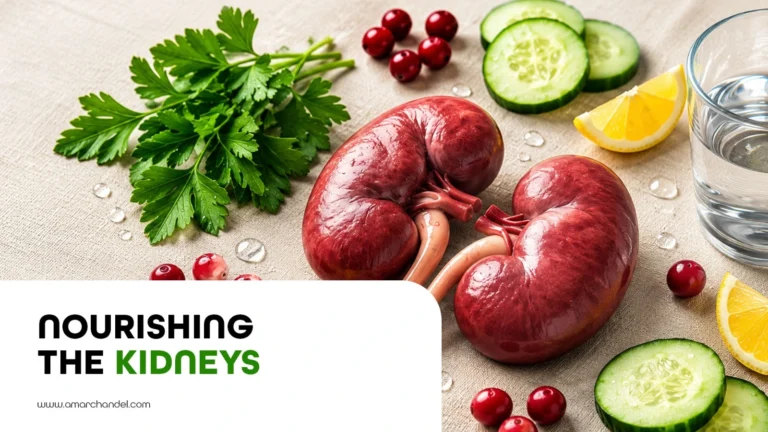
Managing chronic kidney disease through nutrition relies on balancing essential nutrients while minimising the workload on failing kidneys. Damaged kidneys…
Passing pink or reddish urine after eating beetroot is a harmless condition known as beeturia. While seeing a unexpected splash…
