
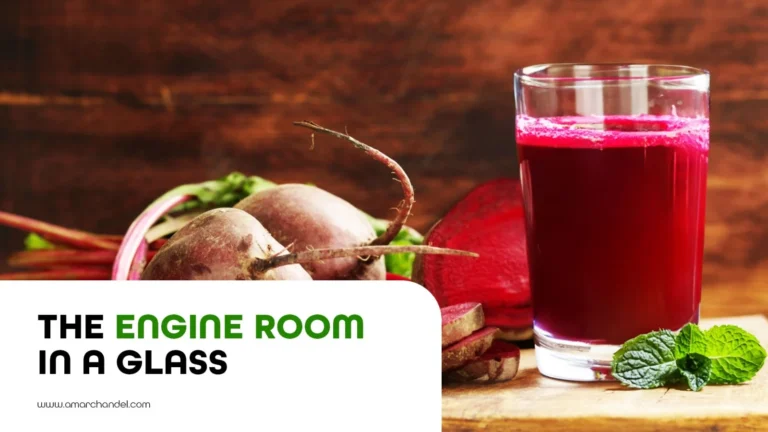
The Engine Room in a Glass
Every time we flex a muscle, take a breath, or blink an eye, our body spends a tiny packet of…
Alkylphenols are chemicals made by factories. They are used in many everyday things — detergents, soaps, cleaners, plastics, textile dyes, and even some kinds of packaging. Because we use them so much, these chemicals leak out into rivers, lakes, and the sea.
Once they enter water, they do not go away easily. They stick to mud and stay there for many years. They also get absorbed by fish and other water animals, especially in their fatty parts.
Fish and other sea animals eat tiny organisms that already contain these chemicals. Then bigger fish eat smaller fish, and the chemicals keep building up. So by the time the fish reaches our plate, the amount of chemicals inside it can be hundreds of times higher than what was in the water.
Because these chemicals like to stick to fat, foods with more fat from animals — such as fish, chicken fat, shellfish, meat, or animal oils — usually contain much more of these chemicals than plant foods like vegetables, grains, dals, or fruits.
Scientists studying fish from Indian waters — especially along the Tamil Nadu coast and Bay of Bengal — have actually found these chemicals in many types of fish. This means Indians who eat a lot of fish may be exposed to these chemicals without even knowing it.
These chemicals act like fake hormones. Hormones are the body’s “messengers” that control growth, mood, energy, sleep, and even how our organs work. Fake hormones can confuse the body.
In animals, these chemicals have caused:
• changes in reproductive organs
• damage to liver and kidneys
• abnormal hormone levels
• problems in growth
Scientists have also found these chemicals in human blood, urine, and even breast milk. This means the chemicals are definitely entering our bodies — most likely through the food we eat, especially seafood and fatty animal foods.
We still do not have full proof of exactly which diseases they cause in humans, but experts agree they should be taken seriously because they affect the hormone system.

If a pregnant or breastfeeding woman eats a lot of contaminated fish, some chemicals can pass to her baby. That may affect the baby’s growth, memory, and brain development. Breast milk remains the best food for babies, but mothers can reduce their own exposure by being careful about the type of fish and animal foods they eat.
In many countries, these chemicals are banned or strictly controlled.
But in India, they are still used widely in:
• detergents
• textile industries
• leather industries
• packaging
• some cleaning products
Because wastewater treatment is weak in many places, these chemicals easily reach rivers and the sea. That is why fish from polluted waters may contain more of them.
Here are simple steps anyone can follow:
1. Eat lower on the food chain.
Plant foods like grains, vegetables, fruits, nuts, and dals have much fewer chemicals because these chemicals do not build up in plants.
2. Be careful with seafood.
Avoid fish from heavily polluted river mouths, industrial areas, or dirty coastal regions. Smaller fish (like sardines) usually have fewer chemicals than large predator fish (like tuna or sharks).
3. Pregnant and breastfeeding women should be extra careful.
Reducing high-fat animal foods, especially fish oils and processed seafood, can lower risk for babies.
4. Use safer products at home.
Choose detergents and cleaners that say “eco-friendly” or “biodegradable”. They usually avoid these chemicals.
5. Support stricter rules.
If factories treat their wastewater properly and stop using these harmful chemicals, our rivers, sea, fish, and food will all become safer.
These chemicals travel from factories → into water → into fish → into people.
The higher you go in the food chain, the more chemicals collect.
That is why being careful with seafood and fatty animal foods can reduce your exposure.
Every time we flex a muscle, take a breath, or blink an eye, our body spends a tiny packet of…
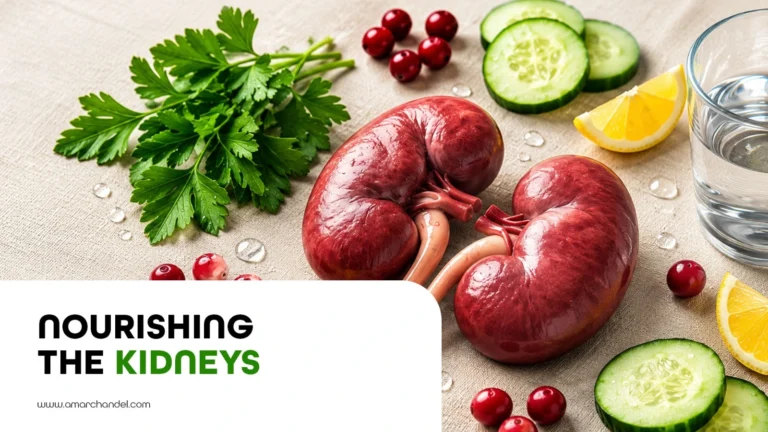
Managing chronic kidney disease through nutrition relies on balancing essential nutrients while minimising the workload on failing kidneys. Damaged kidneys…
Passing pink or reddish urine after eating beetroot is a harmless condition known as beeturia. While seeing a unexpected splash…
