
The Engine Room in a Glass
Every time we flex a muscle, take a breath, or blink an eye, our body spends a tiny packet of…

Most commercial ice creams are nothing like the creamy, wholesome treat we imagine from homemade recipes. Instead, they are often a “witches’ brew” of ingredients designed more for shelf-life, texture, and cost than nutrition. Typically, these ice creams contain vegetable oils, milk solids, sugar, and preservatives — and each of these components tells its own story.
The vegetable oils used are often highly processed and may include cheap sources like palm, soybean, or canola oil. These oils are high in omega-6 fatty acids, which in excess, can promote inflammation and disrupt the balance of gut microbes. They are added to mimic creaminess without the cost of real milk fat.
Milk solids provide the protein and some dairy flavour, but these are often skimmed powders or reconstituted powders rather than fresh cream. This means much of the natural fats, vitamins, and beneficial compounds in real milk are missing.
Sugar is added in large quantities to make the ice cream sweet, improve texture, and act as a preservative. Excess sugar not only spikes blood glucose but also feeds “bad” gut bacteria, which can lead to inflammation, cravings, and even weight gain over time.

Finally, preservatives, stabilisers, and emulsifiers keep the ice cream smooth, prevent ice crystals, and extend shelf life. Many of these additives—like mono- and diglycerides or carboxymethyl cellulose—can disturb gut microbes, damage the intestinal lining, and reduce microbial diversity.
So, what looks like a simple frozen treat is actually a highly processed concoction designed for convenience, long shelf life, and mass production, often at the expense of nutrition and gut health. It’s a far cry from natural, homemade ice cream made with real cream, milk, and minimal sugar.
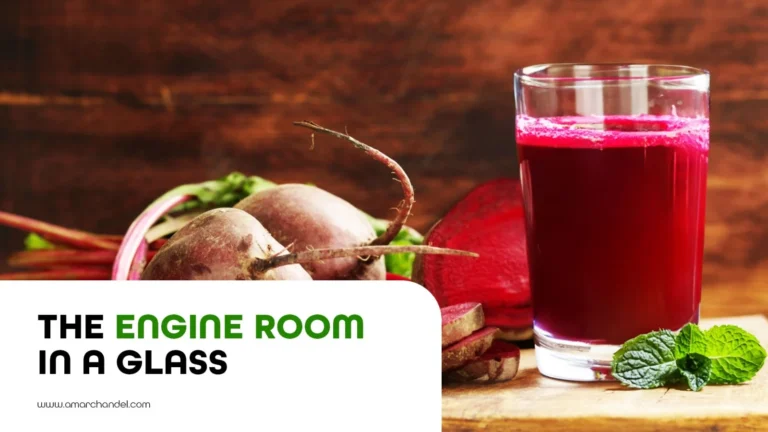
Every time we flex a muscle, take a breath, or blink an eye, our body spends a tiny packet of…
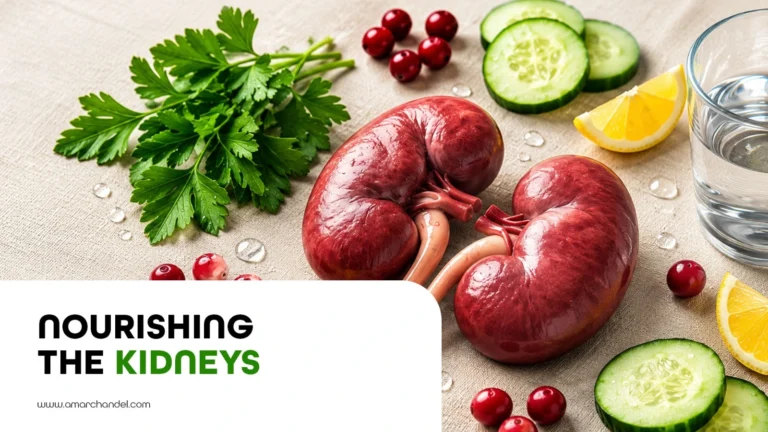
Managing chronic kidney disease through nutrition relies on balancing essential nutrients while minimising the workload on failing kidneys. Damaged kidneys…
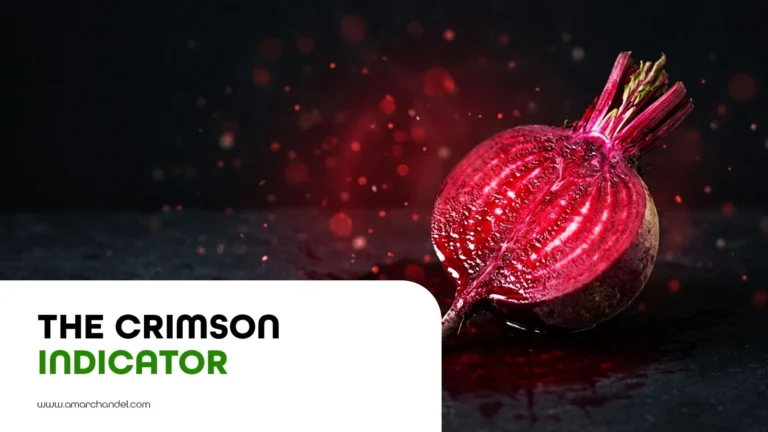
Passing pink or reddish urine after eating beetroot is a harmless condition known as beeturia. While seeing a unexpected splash…
