
A Smarter Approach to Vitamin B12: Why the “Active B12” Test Matters
Medical Disclaimer: The information provided in this article is for educational and informational purposes only and is not intended as…
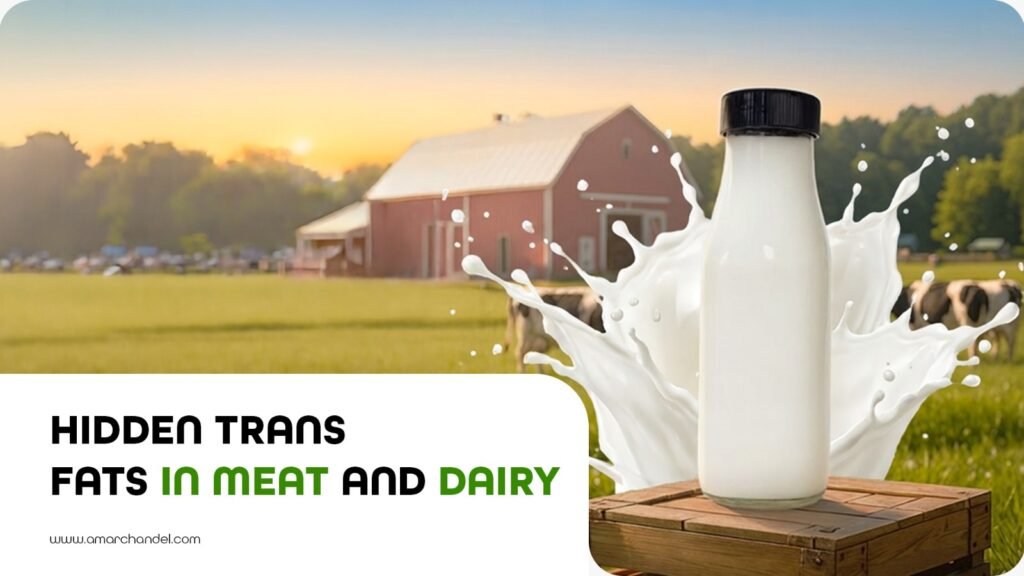
Trans fats are among the most harmful fats we can eat. Decades of research now leave little doubt that they raise the risk of heart disease, sudden cardiac death, type 2 diabetes, and chronic inflammation. Some studies have even linked higher trans-fat intake with increased irritability, impatience, and aggressive behaviour.
Most people think of trans fats only as an industrial problem—something found in vanaspati, bakery items, fried snacks, and fast food. That is only half the story. Trans fats exist in two forms. One is industrially produced trans fat, created when vegetable oils are hardened through hydrogenation. The other is naturally occurring trans fat, found in the fat of ruminant animals such as cows, buffaloes, goats, and sheep. This means milk, butter, ghee, paneer, cheese, curd, and meat all contain small but measurable amounts of trans fats.
India has made important progress in cutting industrial trans fats. The Food Safety and Standards Authority of India (FSSAI) capped trans fats in oils and fats at 2% in 2022, aligning India with global best practices. This has reduced trans fats from vanaspati and commercial fried foods. But as industrial trans fats go down, the proportion coming from animal foods becomes more significant—especially for people who consume dairy daily, often multiple times a day.
According to nutrient analyses from international and Indian food composition databases, animal foods typically contain around 1–5% of their fat as trans fat. This includes milk, curd, cheese, butter, ghee, beef, mutton, chicken skin, and processed meats. These amounts may look small, but they add up. A diet rich in full-fat dairy and meat can quietly deliver trans fats every single day, without people realising it.

The key question many ask is: are “natural” trans fats from animal foods safer than industrial trans fats? For years, this was debated. The latest large observational studies and meta-analyses suggest that trans fats raise cardiovascular risk regardless of their source. Whether they come from partially hydrogenated oils or from milk and meat fat, higher intake is associated with worse heart outcomes. Some evidence suggests women may be particularly vulnerable to these effects. The biological reason is simple: trans fats, by their structure, worsen cholesterol profiles, increase inflammation, and impair blood vessel function.
Because of this, the most authoritative scientific bodies in the world have taken a clear position. The US National Academies of Sciences concluded that there is no safe level of trans-fat intake. They could not even define a “tolerable upper limit” because every incremental increase raises the risk of coronary heart disease. The World Health Organization echoes this view, stating that trans fats should be eliminated from the diet as much as possible.
In practical terms, this creates an uncomfortable truth. On a typical non-vegetarian or dairy-heavy vegetarian diet, completely avoiding trans fats is almost impossible. Even this has been acknowledged by leading cardiovascular researchers. One well-known Harvard expert admitted that if dietary advice were based only on science, people would be advised to avoid meat and dairy entirely—but such guidance is often softened because it is considered socially or culturally “too extreme.” Science, however, does not change to suit comfort.
There is another problem that affects Indian consumers directly: food labelling. Under current rules, foods containing less than 0.5 grams of trans fat per serving can legally be labelled as “0 g trans fat.” This loophole exists in India just as it does in the US. If you eat multiple servings—as most people do—those “zeros” quickly add up. This is especially relevant for biscuits, namkeen, sweets, chocolates, and even some refined cooking oils.
The safest practical approach, therefore, is not blind trust in labels but smart food choices. To minimise trans-fat exposure, one must reduce or avoid meat and full-fat dairy, limit refined and deodorised oils, and strictly avoid any product that lists “partially hydrogenated” fats or oils in the ingredients. Whole plant foods—grains, pulses, vegetables, fruits, nuts, and seeds—naturally contain negligible trans fats and fit well within traditional Indian diets when prepared simply.
In the end, the message from holistic healing and modern nutrition science is consistent and clear: trans fats, whether industrial or animal-derived, are harmful. In a country already burdened with heart disease, diabetes, and metabolic disorders, lowering trans-fat intake is not a luxury—it is a public health necessity.
References
Golomb BA, Evans MA, White HL, Dimsdale JE. Trans fat consumption and aggression. PLoS ONE. 2012;7(3):e32175.
Laake I et al. Intake of trans-fatty acids from ruminant fat and partially hydrogenated oils and cardiovascular mortality. British Journal of Nutrition. 2012;108(4):743–754.
Mozaffarian D et al. Trans fatty acids and cardiovascular disease. New England Journal of Medicine. 2006;354:1601–1613.
National Academies of Sciences. Dietary Reference Intakes for Macronutrients. National Academies Press, 2003.
World Health Organization. REPLACE Trans Fat: An Action Package to Eliminate Industrially Produced Trans-Fatty Acids. WHO, updated guidance 2019–2023.
Food Safety and Standards Authority of India (FSSAI). Trans Fat Regulations and Compliance Notifications, 2022–2024.
Brandt EJ. Deception of trans fats on food labels. American Journal of Health Promotion. 2011;25(3):157–158.
Medical Disclaimer: The information provided in this article is for educational and informational purposes only and is not intended as…
Every time we flex a muscle, take a breath, or blink an eye, our body spends a tiny packet of…
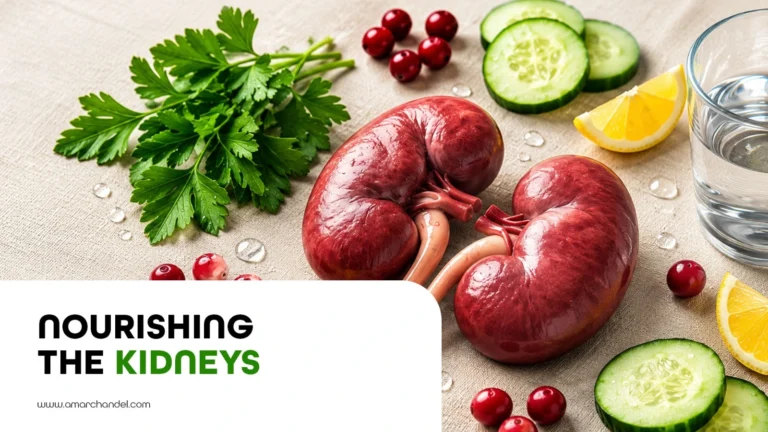
Managing chronic kidney disease through nutrition relies on balancing essential nutrients while minimising the workload on failing kidneys. Damaged kidneys…
