
A Smarter Approach to Vitamin B12: Why the “Active B12” Test Matters
Medical Disclaimer: The information provided in this article is for educational and informational purposes only and is not intended as…

In medicine, a placebo is something that has no active therapeutic ingredient — like a sugar pill — but sometimes seems to make people feel better. It’s the “mind-body effect” doctors talk about when the brain’s expectations influence symptoms. This isn’t just old folklore; scientific reviews show the placebo effect involves real neurobiological responses in the brain, including changes in how pain and discomfort are processed, though the exact mechanisms are still being studied.
Some ethicists and clinicians have sparked a huge debate by saying doctors might not just tolerate placebos but have a duty to use them in practice. A controversial paper once argued that because many patients don’t get a firm diagnosis after a visit, giving a sugar pill or similar “remedy” could be harmless and helpful — especially if it gives relief and avoids unnecessary medicines. However, this opinion isn’t how medicine is evolving today.
A big ethical concern is deception: giving a patient a fake treatment without their clear knowledge violates trust and informed consent, foundational to good medical practice. Modern ethical guidelines — such as those from medical associations like the American Medical Association — strongly emphasise that doctors should not deceive patients. If a doctor prescribes a placebo while saying it’s a real medicine, it could harm the patient’s trust and even delay proper care for a serious condition.
Research in India shows that placebos are indeed used in everyday clinical care — even if not formally standardised. A study of doctors in Mangalore found that about 72% reported prescribing placebos, often vitamins or harmless treatments, most commonly because patients expect something to be given. However, in that same study, a majority of doctors said they believed placebos should not be used if it involves deception, and many felt that medical training doesn’t give enough guidance on how to use or talk about placebo effects.
What’s interesting is that recent research — especially work led by Harvard Medical School’s Ted Kaptchuk — suggests that placebo effects can still occur even when patients know they’re taking a placebo. In trials with irritable bowel syndrome, patients who were honestly told they were taking an inert pill still reported better symptom relief than those who took nothing at all. This opens the door to ethical, open-label placebo use — where patients consent and benefit — though this idea is still emerging and not broadly adopted in everyday practice.
On the patient perspective side, surveys (mostly outside India) show mixed feelings: some view placebos as potentially helpful, while others feel they undermine autonomy and trust if used deceptively. Many patients think the word “placebo” simply means “ineffective,” which complicates the whole idea unless it’s explained carefully.

So, should doctors give placebos? The current consensus in mainstream medicine is no if it means secretly giving a fake treatment and lying to patients. Trust and honest communication matter deeply in clinical care. But there’s growing interest in using open-label placebos — placebos given with informed consent — in carefully controlled ways that respect autonomy while harnessing the mind-body connection. Researchers are still figuring out how to do this well and safely, and medical education in India and globally needs to catch up to these discussions.
In holistic healing practice, the focus in modern evidence-based medicine is less on tricking patients and more on strengthening the therapeutic relationship, explaining uncertainty transparently, and using every tool — including psychological support and patient education — to improve outcomes without deception.
Medical Disclaimer: The information provided in this article is for educational and informational purposes only and is not intended as…
Every time we flex a muscle, take a breath, or blink an eye, our body spends a tiny packet of…
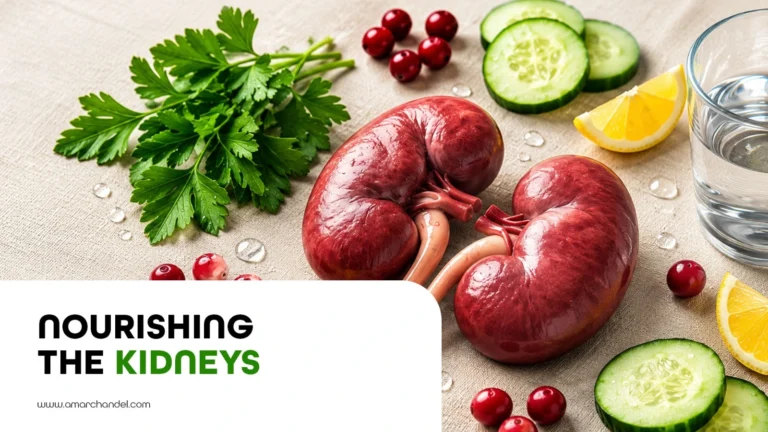
Managing chronic kidney disease through nutrition relies on balancing essential nutrients while minimising the workload on failing kidneys. Damaged kidneys…
