
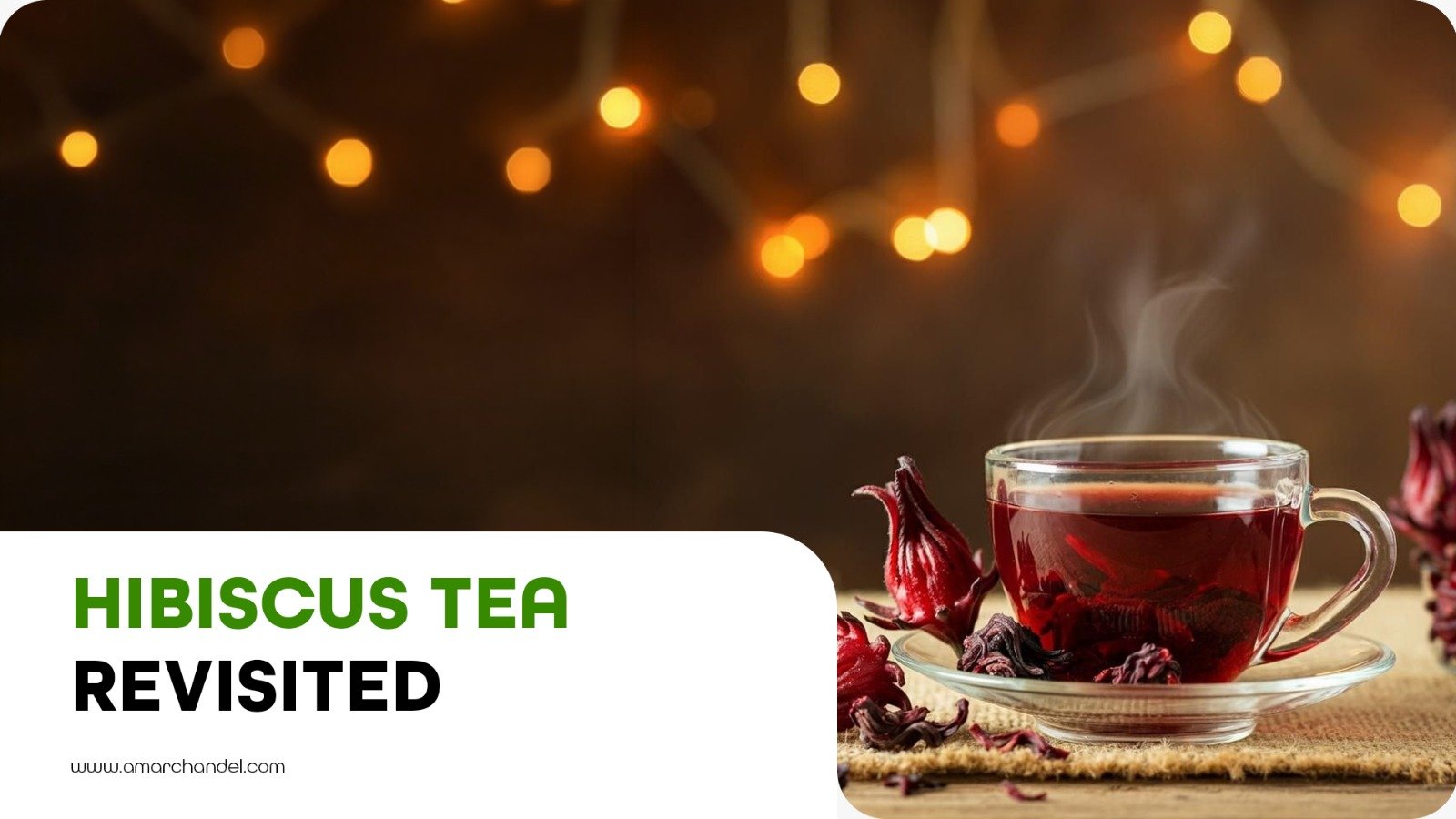
Hibiscus tea, made from the dried petals of Hibiscus sabdariffa (known in India as gudhal or jawakusum), has long been used in Indian homes as a cooling drink and traditional remedy. Over the last decade, modern research has taken a closer look at it—especially its antioxidant potential. When scientists compared the antioxidant content of hundreds of beverages, hibiscus tea consistently ranked at or near the top. This led many people worldwide to shift from green tea or matcha to hibiscus-based drinks.
However, laboratory antioxidant scores alone do not guarantee real health benefits. What matters is whether these plant compounds are absorbed and active inside the human body. Early studies showed that hibiscus antioxidants were absorbed in animals, but animal results do not always apply to humans. More recent human research has helped clarify this.
A key study examined the effects of drinking hibiscus tea on antioxidant levels in the bloodstream. Researchers observed that when healthy adults consumed only water for several hours, their blood antioxidant levels gradually declined. This is expected, as antioxidants are constantly used up while neutralising daily oxidative stress. To avoid confusing results, participants were also given low-antioxidant foods such as white bread and cheese, which do not significantly affect antioxidant measurements.
When participants drank a single cup of hibiscus tea at the start of the day, their blood antioxidant levels rose noticeably within an hour. This confirmed that hibiscus antioxidants are indeed absorbed and active in humans. However, the effect was temporary. Blood antioxidant levels gradually returned to baseline unless hibiscus tea was consumed again later in the day or paired with meals rich in whole plant foods.
More recent reviews and clinical studies have supported these findings. Research published in journals such as Food Chemistry and Nutrients shows that hibiscus contains anthocyanins and other polyphenols that are bioavailable and may support heart health by helping reduce blood pressure and oxidative stress. A 2020 meta-analysis found that regular hibiscus tea consumption was associated with modest reductions in systolic and diastolic blood pressure, a significant finding for India, where hypertension is prevalent (Serban et al., 2020).
Indian relevance is especially strong. Hibiscus is inexpensive, widely available, and culturally familiar. Unlike many imported “super teas,” hibiscus flowers can be sourced locally and brewed fresh. Traditional preparations—such as soaking dried petals overnight or boiling them gently—align well with modern recommendations. Blending or using the whole soaked flower, rather than discarding it, may help retain more beneficial compounds.

That said, hibiscus tea is not a miracle drink. Its antioxidant boost is short-lived unless consumed regularly as part of a diet rich in fruits, vegetables, legumes, and whole grains. This fits well with traditional Indian eating patterns. Additionally, individuals with very low blood pressure or those taking blood pressure medications should consume hibiscus tea cautiously, as it may enhance the blood pressure–lowering effects.
In summary, the latest evidence confirms that hibiscus tea’s antioxidants are not just active in test tubes—they are absorbed and functional in the human body. For Indians, hibiscus tea is a practical, affordable, and culturally rooted way to add antioxidant-rich plant compounds to the daily diet. Like most healthy foods, its benefits are greatest when enjoyed regularly and as part of an overall plant-rich lifestyle.
Now you know why hibiscus is an integral part of the tea-substitute drink that we take on the Holistic Healing path.
Key references:
– Frank et al., Journal of Nutrition, 2012.
– Serban et al., Nutrients, 2020.
– Da-Costa-Rocha et al., Food Chemistry, 2014.
– McKay et al., Journal of Nutrition, 2010.