
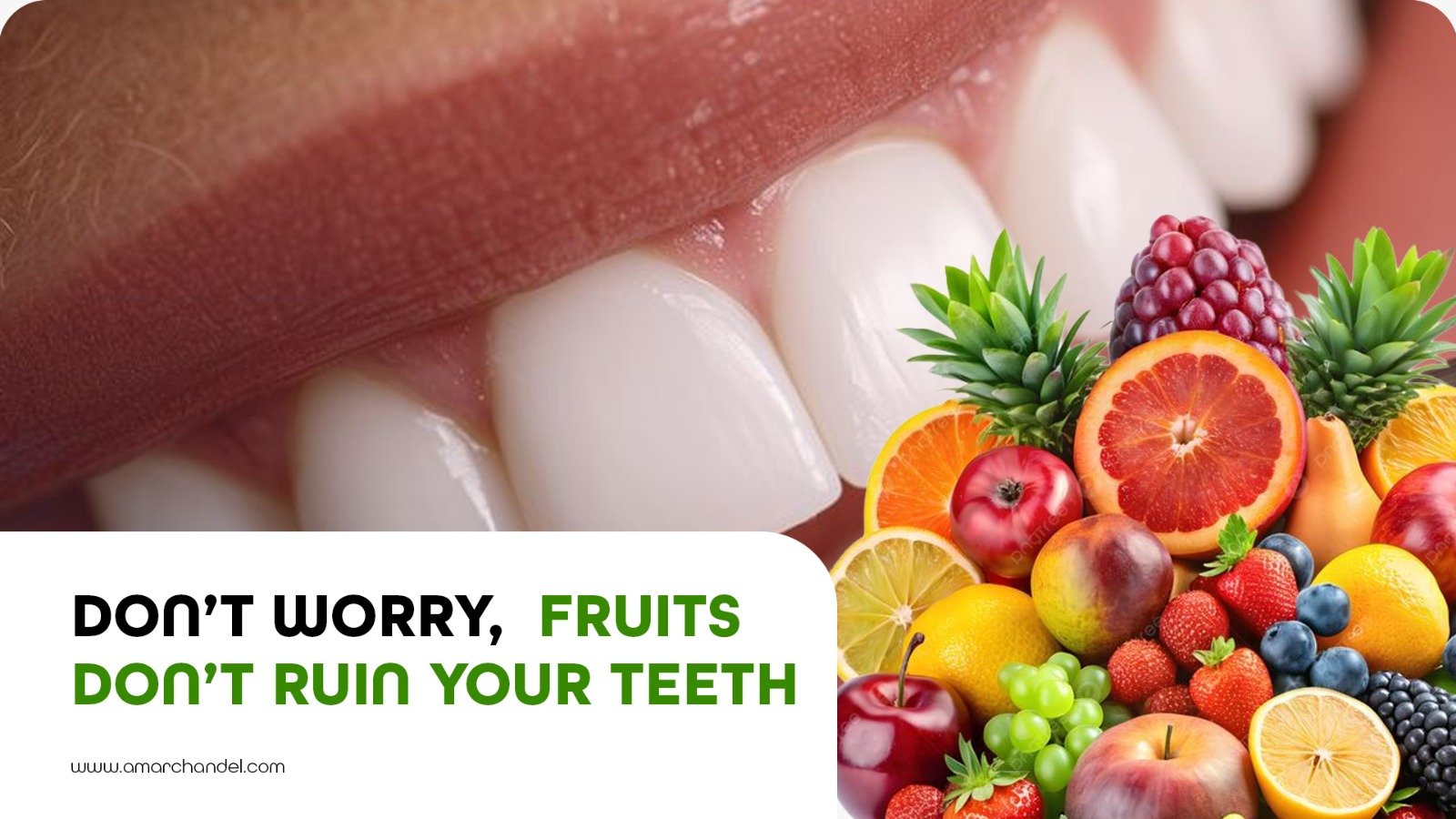
Plant-based diets are often praised for protecting the heart, reducing cancer risk, and supporting overall health. Fruits and vegetables—especially raw greens, carrots, tomatoes, and citrus fruits—contain vitamins, minerals, antioxidants, and fibre that are essential for the body. In India, traditional diets rich in fruits, vegetables, lentils, and whole grains are increasingly being recognised as healthy and sustainable. However, some people worry about one specific issue: could eating a lot of fruits harm our teeth?
Dental experts have long known that acidic foods and drinks can slowly wear down tooth enamel, the hard outer layer that protects our teeth. Citrus fruits such as oranges, lemons, and grapefruit are naturally acidic, and some studies have raised concerns that frequent exposure to these acids might contribute to dental erosion.
Early reports that raised alarm were often based on unusual habits. For example, dentists described cases where people regularly sucked on lemon slices or citrus wedges, which exposed teeth to acid for long periods. In another unusual example, researchers reported dental problems in young children who were allowed to suck on bananas continuously like a pacifier, leading to tooth decay. Such extreme habits are not typical of normal fruit consumption but highlight how prolonged exposure to sugars or acids can affect teeth.
More recent research has looked more carefully at how fruits affect dental health in everyday diets. Some laboratory studies have shown that certain fruits and fruit juices can soften enamel, especially when exposure is frequent. In experiments comparing different drinks and foods, soft drinks—especially cola beverages—were found to soften tooth enamel the fastest. Fruits and fruit juices also had some effect, but generally less than sugary sodas (Lussi & Jaeggi, 2008). A wellness coach would often highlight the importance of moderation and mindful consumption to maintain both dental health and overall well-being.
Interestingly, some studies have found that whole fruits and fruit juices may have similar effects on enamel in laboratory conditions, because both contain natural acids. However, these experiments often take place outside the mouth, where saliva and normal chewing are not present. In real life, saliva helps neutralise acids and protect teeth.
Researchers have also examined whether people who eat plant-based diets have more dental problems. In one study comparing vegetarians and non-vegetarians, vegetarians consumed more fruits, raw vegetables, and tomatoes—slightly acidic foods. Although these individuals showed a somewhat higher rate of minor enamel erosion, there were no significant differences in cavities, gum disease, plaque, or tooth loss between the groups (Smits et al., 2012). This suggests that overall dental hygiene habits may matter more than the diet itself.
Another large study on dental erosion found that people who consumed citrus fruits more than twice a day had much higher odds of enamel erosion compared with those who consumed them less frequently (Mulic et al., 2012). Similar risks were seen with frequent intake of sports drinks, apple cider vinegar, and soft drinks. These drinks can keep the mouth acidic for longer periods, increasing the chance of enamel wear.
In India, this issue may be relevant because many people enjoy frequent citrus foods and drinks, such as lemon water, tamarind-based dishes, pickles, and fruit juices. Street beverages like packaged fruit drinks or sweetened lemon sodas may also expose teeth to both acid and sugar, which together increase the risk of dental damage.
However, most experts emphasise that fruits should not be avoided because of dental concerns. Fruits provide important nutrients that help prevent many diseases, including heart disease, diabetes, and certain cancers. Even studies that found a link between fruit consumption and cavities concluded that there is not enough evidence to recommend reducing fruit intake to protect teeth (Moynihan & Kelly, 2014).
Instead, dental researchers say the focus should be on good oral hygiene and smart eating habits. Brushing teeth twice daily with remains one of the most effective ways to prevent cavities and strengthen enamel.
Another important point is timing. When we eat acidic foods, the enamel becomes temporarily softer. If we brush immediately afterward, the brushing action can actually remove some of this softened enamel. Studies suggest that people should wait at least 30 minutes—preferably up to an hour—before brushing after consuming acidic foods or drinks (Shellis et al., 2013).

In the meantime, rinsing the mouth with plain water may help dilute acids and restore a more neutral environment. Although strong clinical evidence is still limited, many dentists recommend this simple step because it is safe and easy to follow.
For Indian households, some practical steps can help protect teeth while still enjoying a healthy plant-based diet. Eating whole fruits instead of sipping fruit juices throughout the day can reduce repeated acid exposure. Drinking water after citrus foods, limiting sugary beverages, and maintaining regular dental check-ups are also important.
Overall, the current scientific evidence suggests that fruits and vegetables remain an important part of a healthy diet, including for dental health. While very frequent exposure to acidic foods can affect enamel, simple habits—good brushing, rinsing with water, and avoiding constant snacking on acidic foods—can help protect teeth. When viewed through the lens of holistic healing, these balanced dietary and lifestyle practices support not only dental health but overall well-being.
In other words, the solution is not to avoid fruits, but to balance nutrition with sensible dental care.
References
Lussi A, Jaeggi T. Erosion—diagnosis and risk factors. Clinical Oral Investigations. 2008.
Mulic A, Tveit AB, Songe D, Sivertsen H, Skaare AB. Dental erosive wear and salivary flow rate in physically active young adults. BMC Oral Health. 2012.
Smits KPJ, Listl S, Jevdjevic M. Vegetarian diet and dental erosion. Community Dentistry and Oral Epidemiology. 2012.
Moynihan PJ, Kelly SAM. Effect on caries of restricting sugars intake: systematic review. Journal of Dental Research. 2014.
Shellis RP, Featherstone JDB, Lussi A. Understanding the chemistry of dental erosion. Monographs in Oral Science. 2013.
World Health Organization. Oral health guidelines and recommendations for prevention of dental caries.
Indian Dental Association. Guidelines on oral hygiene and fluoride toothpaste use.