
In today’s world, our bodies are constantly exposed to harmful substances—from pollution in cities to chemicals formed in food during cooking. One surprising source of these harmful compounds is high-heat cooking of meat, such as grilling, barbecuing, or frying.
Research over the years has shown that such cooking methods can form chemicals linked to cancer risk. But there’s also encouraging news: certain vegetables, especially broccoli and its relatives, may help our body deal with these toxins more effectively.
Studies, including research on women in Long Island, have found that people who eat a lot of grilled or smoked meat over time may have a higher risk of cancers such as breast cancer. In that study, women with the highest intake had about a 47 percent higher risk, and this risk rose even more—around 74 percent higher—among those who also ate fewer fruits and vegetables.
This doesn’t mean occasional grilled food is dangerous. But frequent consumption, especially along with a low intake of plant foods, may increase long-term risk.
Modern research continues to support this link. Chemicals formed during high-temperature cooking—called heterocyclic amines (HCAs) and polycyclic aromatic hydrocarbons (PAHs)—can damage DNA and may contribute to cancer development.
This is particularly relevant in India, where tandoori dishes, kebabs, and fried meats are popular.
Now comes the important part.
Vegetables like:
• Broccoli
• Cauliflower (gobhi)
• Cabbage (patta gobhi)
• Mustard greens (sarson)
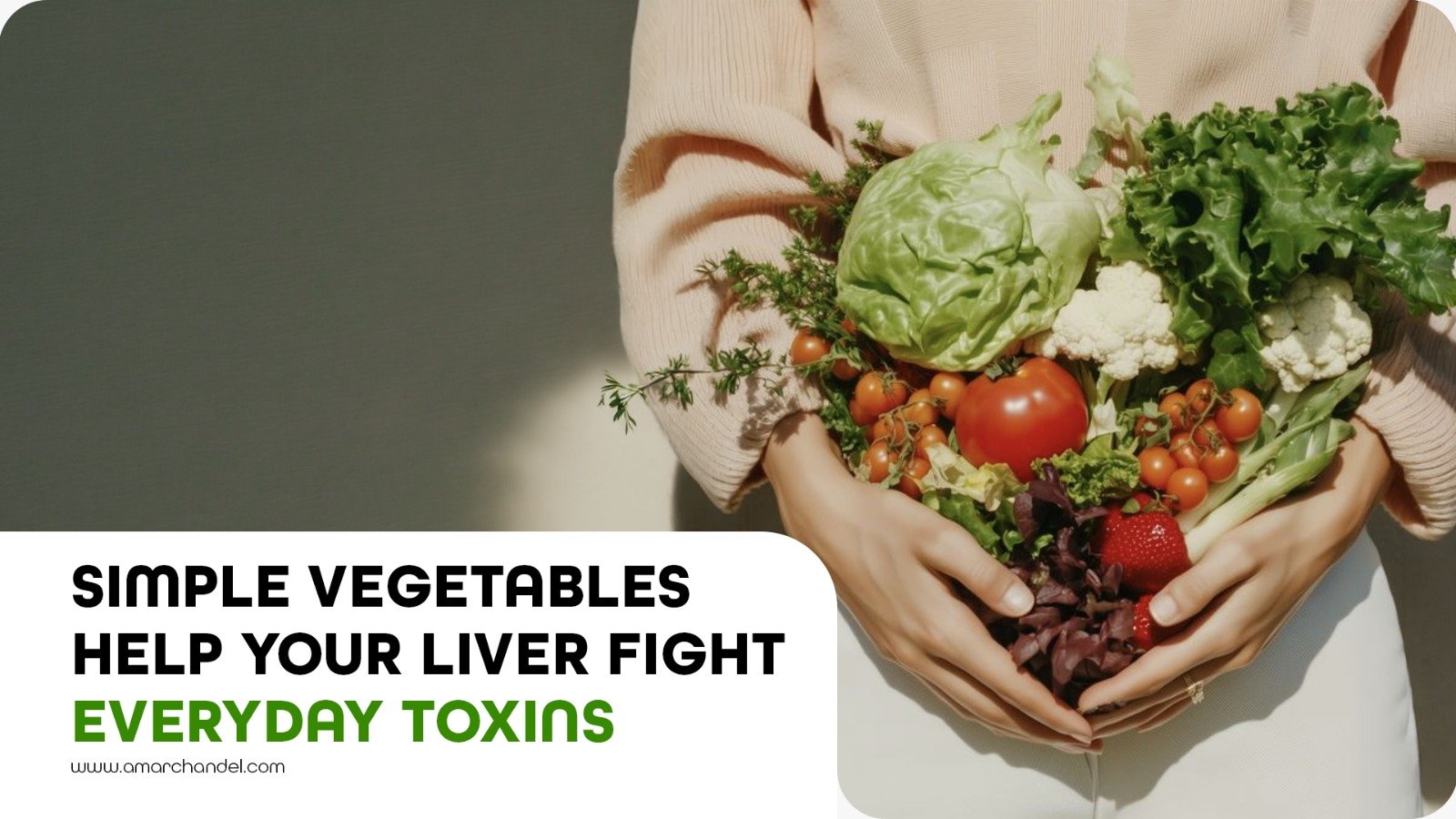
belong to a group called cruciferous vegetables. These contain natural compounds that help activate the liver’s detoxification system. In simple terms, they help your body process and remove harmful chemicals more efficiently.
Studies have shown that when people eat broccoli or Brussels sprouts, their bodies clear certain substances—like caffeine—faster. This is a sign that the liver’s detox system is working more actively.
What happens when you combine meat with vegetables?
In controlled studies, researchers gave people meals containing cooked meat with known levels of harmful compounds. When people ate meat without vegetables, higher levels of these harmful substances were found circulating in their bodies. But when the same meal was eaten with broccoli and similar vegetables, the levels of these harmful compounds dropped significantly. This suggests that these vegetables don’t just provide nutrition—they actively help the body reduce exposure to harmful chemicals.
A surprising finding: long-lasting benefits
One of the most interesting discoveries from recent research is that the benefits of these vegetables may last longer than expected. Even after people stopped eating broccoli and similar vegetables, their liver activity remained improved for days—and in some studies, even up to two weeks. This means that regular consumption of these vegetables may “train your body” to handle toxins better over time, not just immediately after a meal.
However, this doesn’t mean you can eat unhealthy food freely. It simply shows that consistent healthy eating builds a stronger defence system. The good news is that you don’t need exotic foods.
Many protective vegetables are already part of traditional Indian diets:
• Gobhi sabzi
• Sarson ka saag
• Patta gobhi stir-fry
• Mixed vegetable curries
Simple habits can make a difference:
• Add one cruciferous vegetable daily
• Pair heavier meals with vegetable sides
• Avoid over-charring food
• Prefer home-cooked meals over repeated deep-frying
Even adding a bowl of sabzi with meals can help.

Plant foods vs animal foods: an important difference
Another important point from research is that harmful compounds like HCAs are formed mainly in animal foods cooked at high temperatures. Plant-based foods—even when cooked or fried—generally do not form these specific cancer-linked chemicals. This doesn’t mean all fried foods are healthy, but it does highlight an important difference in how plant and animal foods behave during cooking.
A balanced view
It’s important to stay realistic.
No single food—not even broccoli—can prevent cancer. But a consistent pattern of eating more plant-based foods, embracing holistic healing practices, and reducing heavily processed or charred meats can significantly lower risk over time.
Global guidelines emphasise this approach:
• Eat more vegetables, fruits, and whole grains
• Limit processed and red meats
• Avoid excessive charring during cooking
The bigger takeaway
Your liver is constantly working to protect you—but it needs support.
Simple, everyday vegetables like broccoli, cabbage, and mustard greens quietly help your body detox, repair, and defend itself.
You don’t need drastic changes. Just consistent, small choices:
• Add vegetables
• Balance your plate
• Cook smarter
Over time, these habits can make a meaningful difference to your health.
References
1. National Cancer Institute (USA). Chemicals in cooked meats and cancer risk.
2. American Institute for Cancer Research (AICR). Diet and cancer prevention.
3. WHO. Diet, nutrition and cancer prevention guidelines.
4. Studies on cruciferous vegetables and detoxification enzymes (e.g., Journal of Nutrition, Cancer Epidemiology Biomarkers & Prevention).