

A Smarter Approach to Vitamin B12: Why the “Active B12” Test Matters
Medical Disclaimer: The information provided in this article is for educational and informational purposes only and is not intended as…
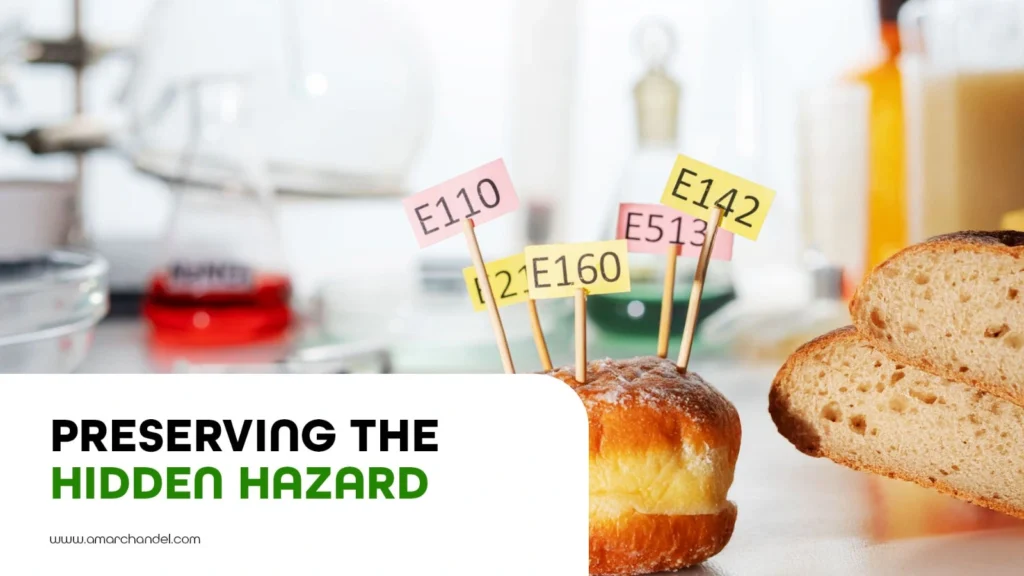
Our understanding of meat preservatives began with a crisis on a Norwegian fur farm back in 1957. Mink were dying in large numbers from a severe form of liver disease, and livestock soon began dying from liver cancer as well. Investigators traced the source to fish meal that had recently been preserved using sodium nitrite.
Research quickly established that under specific conditions, nitrites react with proteins to form compounds called nitrosamines. These compounds damage cellular DNA and are widely recognised as some of the most dangerous cancer-causing agents found in tobacco smoke.
Although the discovery raised grave concerns decades ago, the modern scientific consensus has only grown stronger and more precise. The World Health Organisation, through its International Agency for Research on Cancer (IARC Volume 114 Monograph), formally classifies processed meat as a Group 1 definite human carcinogen.
When meats like bacon, ham, sausages, and hot dogs are cured using nitrites, the chemical reaction during processing and digestion creates N-nitroso compounds. High-temperature cooking, such as frying or grilling, speeds up this harmful process. Furthermore, the natural iron present in red meat acts as a catalyst in the stomach, further encouraging these toxic compounds to form.
Global health data and major population studies evaluated by the World Health Organisation show a direct link between regular consumption of preserved meats and various illnesses, most notably bowel cancer. Medical studies indicate that eating as little as 50 grams of processed meat a day increases the risk of developing colorectal cancer by roughly 18 percent.
Earlier observational studies published in public health literature also suggested potential links to higher risks of childhood leukemia and brain tumours when mothers or young children frequently consumed processed meats, alongside potential links to stomach, breast, and prostate cancers.
While the meat industry often highlights the rich taste and protein value of cured products, health experts advise replacing them with fresh poultry, fish, or plant-based proteins.
The Food Safety and Standards Authority of India (FSSAI) sets strict legal limits on the permitted residual levels of sodium and potassium nitrites in processed meat products under the Food Safety and Standards (Food Products Standards and Food Additives) Regulations. However, health experts highlight that enforcement and regular testing across a vast, mixed market remain significant hurdles. Furthermore, traditional cooking practices in India often involve frying at very high temperatures, which can inadvertently accelerate the conversion of residual nitrites into harmful nitrosamines right in the kitchen.
As chronic conditions like colorectal and stomach cancers continue to rise in urban India, medical professionals are urging greater public awareness regarding food labels and dietary choices. While processed meats still make up a small portion of the overall Indian diet compared to Western nations, the growing reliance on packaged foods makes consumer education essential.
Choosing fresh, locally sourced ingredients over chemically preserved meats remains one of the simplest and most effective ways to reduce long-term health risks.
References and Primary Sources
1. International Agency for Research on Cancer (IARC) / World Health Organisation (WHO). “IARC Monographs evaluate consumption of red meat and processed meat.” IARC Monographs Volume 114 (2015/2018).
2. World Health Organisation (WHO). “Q&A on the carcinogenicity of the consumption of red meat and processed meat.” IARC Press Release No. 240.
3. Food Safety and Standards Authority of India (FSSAI). “Food Safety and Standards (Food Products Standards and Food Additives) Regulations” – Guidelines on Preservatives and Nitrite Limits in Meat Products.
4. Cancer Research UK. “Does processed and red meat cause cancer? Nitrates, Nitrites, and N-nitroso chemicals.”
5. European Food Safety Authority (EFSA). “Re-evaluation of sodium nitrate (E 251) and sodium nitrite (E 250) as food additives.” EFSA Journal
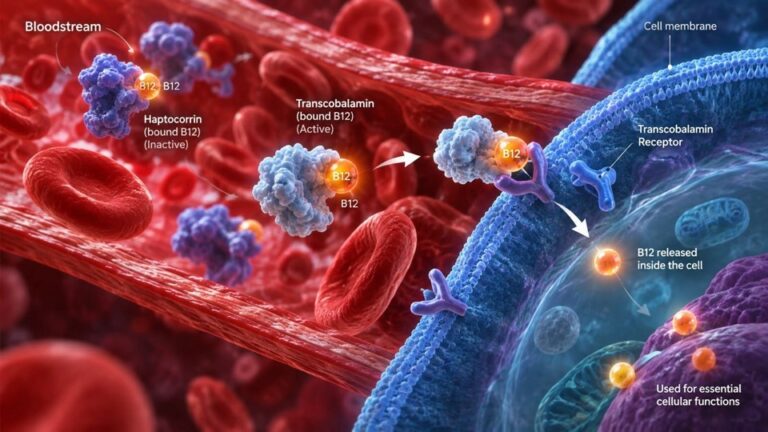
Medical Disclaimer: The information provided in this article is for educational and informational purposes only and is not intended as…
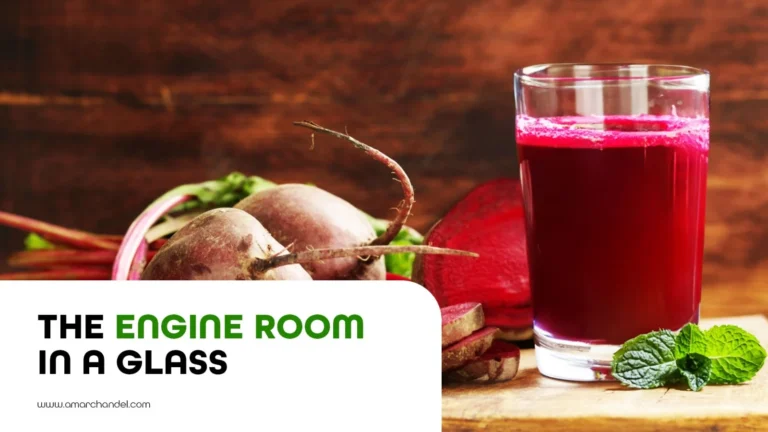
Every time we flex a muscle, take a breath, or blink an eye, our body spends a tiny packet of…
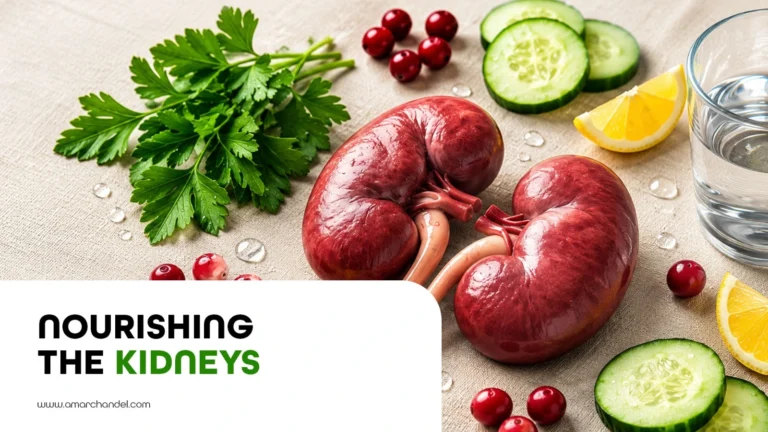
Managing chronic kidney disease through nutrition relies on balancing essential nutrients while minimising the workload on failing kidneys. Damaged kidneys…
