

Is Dragon’s Blood Worth the Hype?
When researchers evaluated the total antioxidant levels of thousands of foods and botanical substances, a little-known Amazonian tree sap, rather…
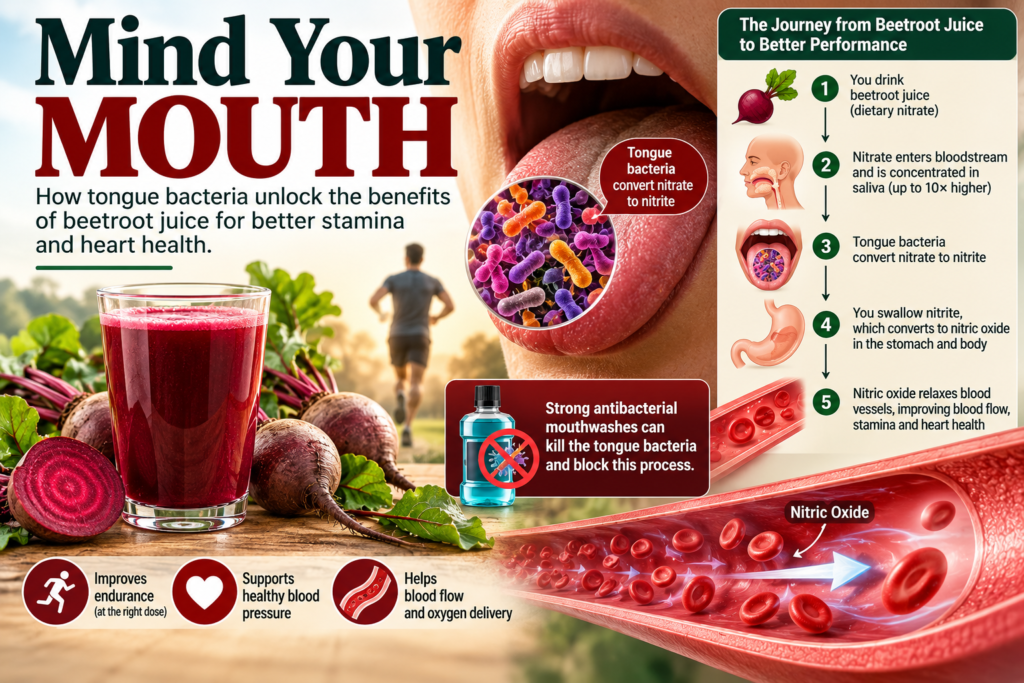
The performance boost many people attribute to a daily shot of beetroot juice does not depend solely on what is in the glass. It relies heavily on microscopic bacteria living on the surface of your tongue. When you drink nitrate-rich vegetable juice, these specialized microbes perform a crucial chemical conversion that your own body cannot carry out efficiently on its own. Without them, dietary nitrate remains largely inert.
Yet millions of people routinely rinse their mouths with strong antibacterial mouthwashes immediately before or after drinking their morning juice, effectively switching off this crucial biochemical pathway. Research shows that clearing out your oral microbiome with potent antiseptics can blunt the physical stamina gains of beetroot juice and even lead to subtle, short-term rises in blood pressure. Understanding this unexpected connection between your tongue and your cardiovascular system provides a fresh perspective on how everyday oral hygiene habits interact with sports nutrition and heart health.
Disclaimer
This article is for general educational purposes and is not medical or dental advice. Do not stop or change a mouthwash, medication, or blood pressure treatment prescribed by your doctor or dentist based on this article. Keep brushing and cleaning your teeth as advised, and speak to a healthcare professional about your individual needs.
Beetroot juice has earned a solid reputation among runners, cyclists, and gym-goers as a natural ergogenic aid and blood pressure support. Clinical studies demonstrate that dietary nitrate can lower the oxygen cost of exercise and improve endurance under specific conditions. However, these benefits are not a guaranteed cure-all; performance improvements vary widely depending on exercise intensity, individual fitness levels, and dosage. For instance, dose-response studies indicate that small amounts, such as a single 70 ml shot, may fail to produce measurable changes in exercise performance altogether.
To prove that nitrate is the active driver behind beetroot juice rather than its rich blend of antioxidants or betalains, researchers use rigorous control trials. In comparative research, trials often compare nitrate-dense beetroot juice against a nitrate-depleted placebo juice or alternative fruit juices like berry juice. When a nitrate-depleted placebo—which retains all the original pigments, minerals, and flavor compounds of beetroot—fails to improve stamina or lower blood pressure, it confirms that dietary nitrate is the key molecule at work.Readers interested in how plant compounds interact with cellular health can explore why beetroot ranks so high in cell-based antioxidant tests.
The transformation of dietary nitrate into a cardio-protective and performance-boosting compound follows an intricate enterosalivary cycle. This journey requires two distinct passes through your digestive system and blood vessels.
The process begins when you swallow the juice, sending dietary nitrate into your gut. From there, nitrate enters your bloodstream and travels to your salivary glands. Your salivary glands concentrate the nitrate and secrete it back into your mouth, where bacteria residing on the back of your tongue convert it into nitrite. Finally, you swallow the nitrite-rich saliva, allowing it to enter your stomach and circulation, where it converts into nitric oxide to relax blood vessels and boost blood flow.
When you drink beetroot juice, dietary nitrate (NO3–) is absorbed through the gut into your bloodstream. Approximately 25% of this circulating nitrate is extracted by the salivary glands, which concentrate it up to ten times higher than in blood plasma before secreting it back into the oral cavity.
Human cells lack sufficient functional nitrate reductase enzymes to convert nitrate into nitrite (NO2–) efficiently. Instead, we rely largely on specialized anaerobic bacteria residing in the deep crypts at the back of the tongue. These microbes use nitrate as an electron acceptor during respiration, reducing it to active nitrite.
Once these oral bacteria generate nitrite, you swallow your saliva. Stomach acid and peripheral tissues further reduce this swallowed nitrite into nitric oxide (NO). Nitric oxide relaxes the smooth muscle lining your blood vessels, improving blood flow, reducing vascular resistance, and delivering oxygen more efficiently to working muscles.
When antibacterial agents clear out the microbial population living on the tongue, this enterosalivary relay breaks down. Multiple clinical experiments have confirmed what happens when this essential bacterial step is disrupted.
In a landmark trial by Govoni et al. (2008), volunteers ingested a standard dietary nitrate load. When participants used an antibacterial mouthwash, the expected rise in plasma nitrite levels was markedly attenuated.
Building on this, Woessner et al. (2016) evaluated how different strengths of mouthwash affect nitrate processing following beetroot juice consumption. Their findings demonstrated a stepwise reduction in plasma and salivary nitrite levels. Stronger antibacterial formulations containing chlorhexidine caused a far greater drop in nitrite bioavailability than milder antiseptic solutions or water controls.
The absolute necessity of the second pass in the enterosalivary cycle was dramatically demonstrated in early physiological trials. When volunteers drank a nitrate-rich beverage but continuously spat out their saliva for several hours rather than swallowing it, the characteristically sharp rise in circulating plasma nitrite failed to occur. This confirmed that without swallowing the microbial-converted saliva, the ingested dietary nitrate cannot exert its systemic cardiovascular or athletic effects.
The role of oral bacteria extends well beyond athletic performance, directly touching upon daily cardiovascular health. Understanding how diet quality shapes heart risk highlights why maintaining physiological pathways like nitric oxide production is vital.
In a study by Kapil et al. (2013), nineteen healthy volunteers used a strong chlorhexidine-based mouthwash twice daily for one week. The treatment cut oral nitrite production by approximately 90% and reduced plasma nitrite concentrations by about 25%. This disruption resulted in a small but statistically significant increase in systemic blood pressure (around 2 to 3 mmHg) that began within 24 hours. While these results confirm the role of oral flora, clinicians emphasize that the trials were short, sample sizes were small, and the observed blood pressure changes were modest.
A 2025 study from the University of Exeter published in Free Radical Biology and Medicine investigated the effects of twice-daily nitrate-rich beetroot juice over two weeks. The researchers observed significant blood pressure reductions in older adults, whereas younger adults showed minimal changes.
Interestingly, these cardiovascular improvements in older participants were linked to shifts in the oral microbiome, specifically the suppression of potentially harmful proinflammatory bacteria. While this emerging research highlights how aging influences our response to dietary nitrate, it remains a single trial rather than definitive proof that daily mouthwash usage causes chronic hypertension.
Not all mouthrinses impact the oral microbiome equally. The experimental trial by Woessner et al. showed that strong antibacterial formulations—specifically prescription-strength chlorhexidine rinses—exerted a far greater suppressive effect on nitrite generation than milder over-the-counter antiseptic rinses.
Chlorhexidine is typically prescribed by dentists for short-term clinical indications, such as treating active gum disease, managing periodontal infections, or accelerating recovery after oral surgery. Because dental health is essential to overall systemic wellness, you should never stop using a prescribed therapeutic mouthwash on your own. Instead, if you regularly consume beetroot juice or nitrate supplements, consult your dentist about the optimal timing for your daily mouthrinse.
Traditional Indian practices like oil pulling (kavala) and using botanical chewing sticks (datun) derived from neem or miswak are widely practiced across the subcontinent. Proponents often suggest that these traditional methods preserve beneficial tongue bacteria far better than alcohol-based or chemical antiseptics.
However, scientific evidence regarding these claims remains limited:
While these traditional habits may be a gentle addition to personal hygiene, claiming they actively protect nitrate-reducing bacteria is scientifically unproven.
If you drink beetroot juice for athletic stamina or general health, simple adjustments can help you get the most from your routine without compromising oral hygiene:
Strong antibacterial mouthwashes containing chlorhexidine significantly reduce the conversion of nitrate to nitrite on the tongue, which can blunt the stamina and blood pressure benefits of beetroot juice in short-term studies. Milder rinses have a less pronounced effect.
For most people, daily over-the-counter mouthwash is safe and effective when used according to product guidelines. However, powerful prescription antibacterial rinses are generally intended for short-term use under dental supervision to treat specific oral conditions.
In addition to beetroot, vegetables rich in dietary nitrate include spinach, arugula (rocket), lettuce, radishes, celery, and leafy brassicas.
No. You should not discontinue any prescribed oral hygiene product or blood pressure treatment without consulting your dentist or doctor. If you have concerns, discuss spacing out your mouthwash use relative to your meals.

When researchers evaluated the total antioxidant levels of thousands of foods and botanical substances, a little-known Amazonian tree sap, rather…
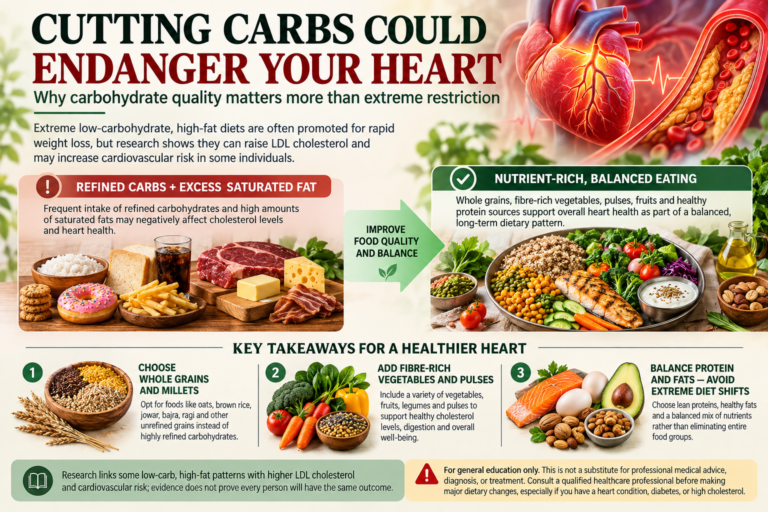
When a healthy 51-year-old man decided to lose a few pounds, he chose a path millions of people around the…
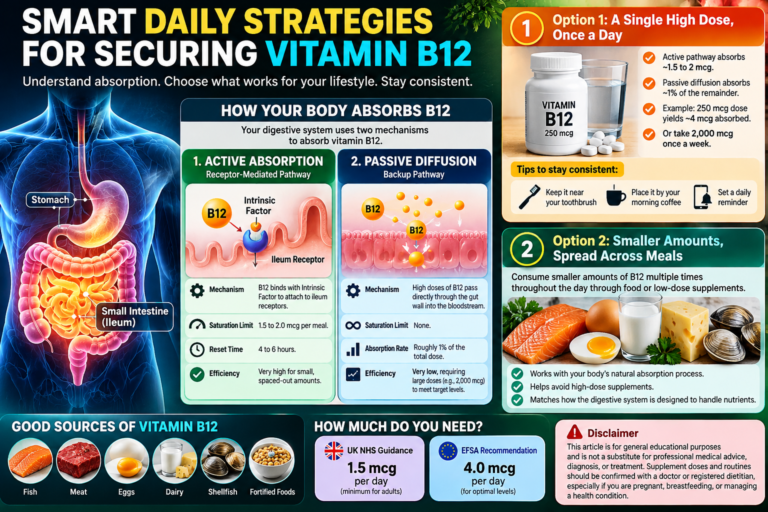
When it comes to vitamin B12, the biggest obstacle to maintaining healthy levels is rarely how much you consume. The…
