

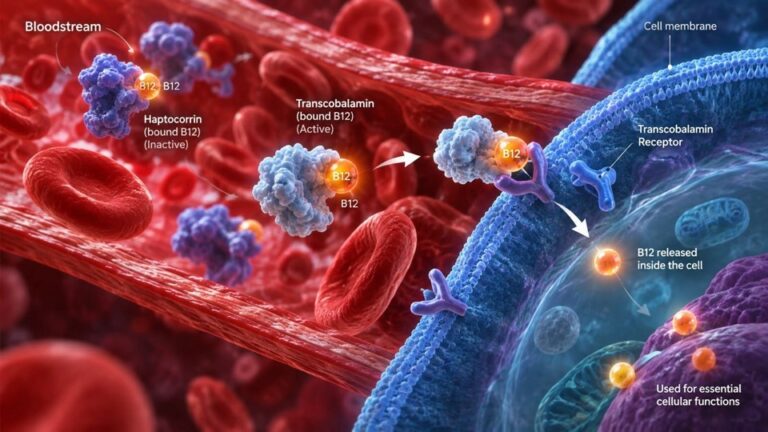
A Smarter Approach to Vitamin B12: Why the “Active B12” Test Matters
Medical Disclaimer: The information provided in this article is for educational and informational purposes only and is not intended as…
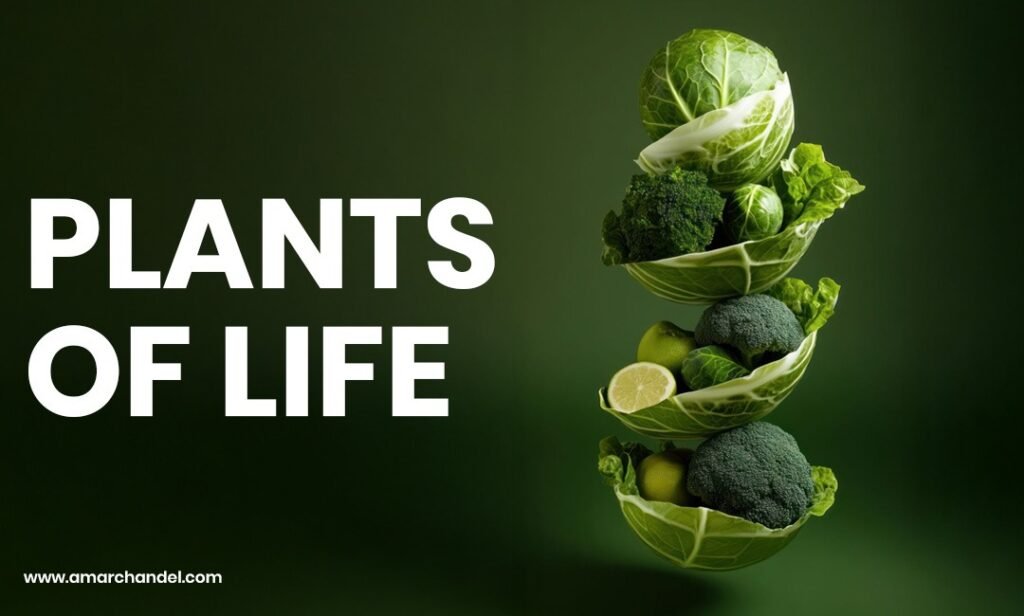
The one piece of nutrition advice that has never gone out of style is also the simplest: eat more fruits and vegetables. And now, science can tell us how much longer we might live with each extra serving.
A landmark prospective study showed a clear dose–response curve: compared to people eating five servings of fruits and vegetables a day, those eating four servings lost about a month of life expectancy, three servings lost three months, two servings lost seven months, one serving lost nearly a year and a half, and half a serving cost about two years. Those eating none had their lives shortened by up to three full years (NutritionFacts.org). Even a single apple or a salad a day can translate into an additional 19 months of life (NutritionFacts.org).
Importantly, it is never too late to benefit. Research on older women found that those in their 70s with the highest blood levels of carotenoids—plant pigments abundant in green leafy vegetables and brightly coloured fruits—were twice as likely to survive five years compared with those who had the lowest levels (NutritionFacts.org).
The findings are reinforced globally. A meta-analysis of 95 cohort studies including more than 2 million people found that each additional 200 g/day of fruits and vegetables was linked with about a 10% lower risk of premature death, with the greatest benefits seen up to about 800 g/day (≈10 servings). This level of intake was associated with a 24% reduced risk of heart disease, 33% reduced risk of stroke, 13% reduced risk of cancer, and 31% reduction in premature death (Aune et al., Int J Epidemiol, 2017).
Even low-cost investments in plant foods show dramatic returns. In Taiwan, spending the equivalent of just 50 cents (₹40) a day on fruits or vegetables lowered mortality by about 10%. The researchers compared this to what drug companies might charge for a pill that could reduce death risk by the same amount—and concluded no drug could match that value (NutritionFacts.org).
For India, where non-communicable diseases now account for 66% of all deaths (WHO India), this evidence is profoundly relevant. Increasing fruit and vegetable intake using locally available options—spinach, amaranth, drumstick leaves, okra, pumpkin, guava, papaya, and seasonal greens—offers a culturally rooted, affordable way to fight diabetes, heart disease, stroke, and cancer.
In essence:
Every extra serving of fruits and vegetables is not just food—it’s time added to our lives. One apple, one guava, one bowl of saag, or one simple salad may literally translate into months or years of extra life.

• Top picks: Amla, pomegranate, jamun, bitter gourd, beetroot—offer a powerful mix of antioxidants and are readily available across India.
• Daily diversity matters: Rotate in carrots, tomatoes, spinach, guava, and avocado for broad-spectrum nutrition.
• Cooking tips: Some antioxidants degrade with heat—opt for raw or lightly cooked forms, especially for high-ORAC foods like berries
Medical Disclaimer: The information provided in this article is for educational and informational purposes only and is not intended as…

Every time we flex a muscle, take a breath, or blink an eye, our body spends a tiny packet of…
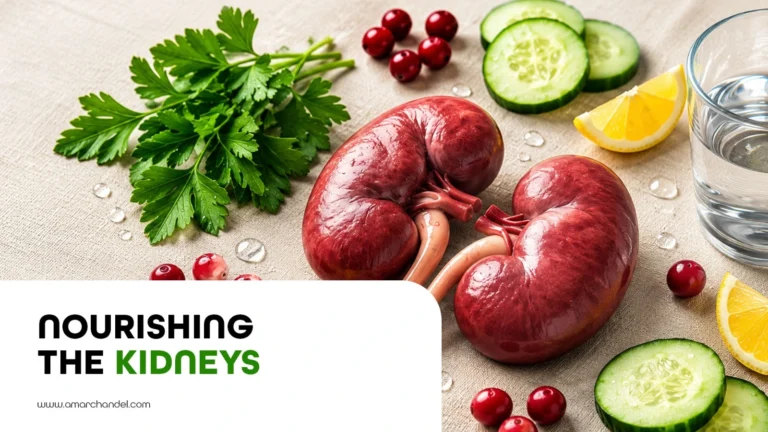
Managing chronic kidney disease through nutrition relies on balancing essential nutrients while minimising the workload on failing kidneys. Damaged kidneys…
