
A Smarter Approach to Vitamin B12: Why the “Active B12” Test Matters
Medical Disclaimer: The information provided in this article is for educational and informational purposes only and is not intended as…
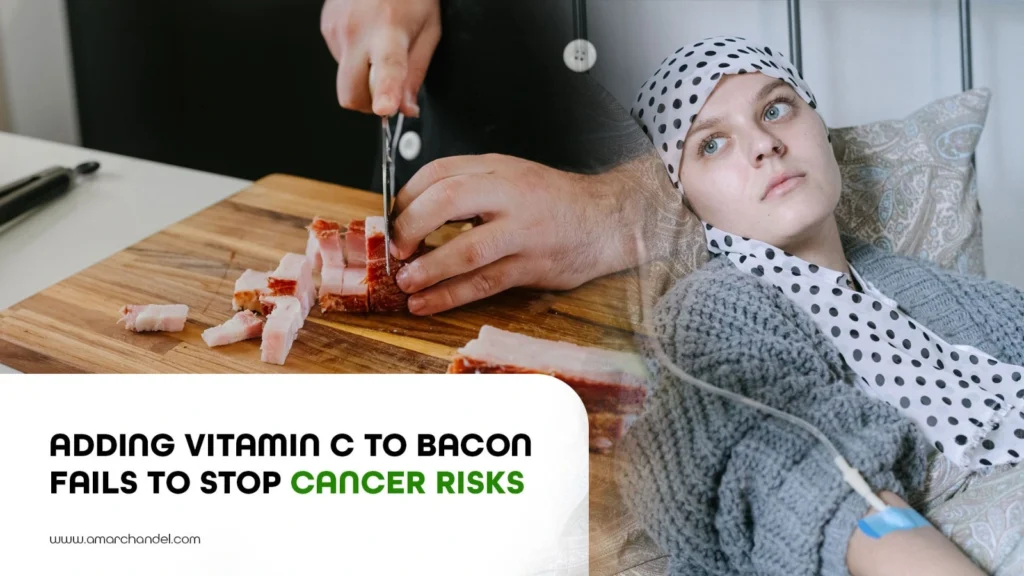
If plant antioxidants like vitamin C can stop dangerous cancer-causing chemicals from forming, it seems logical that food manufacturers should simply add vitamin C to bacon. In fact, under rules in countries like the United States, manufacturers are actually required to add antioxidants such as vitamin C or erythorbic acid to cured bacon. The goal was to cut down the production of nitrosamines, which are potent carcinogens that form when heat and stomach acid meet the nitrites used in meat preservation.
However, medical research shows that this solution backfires when fat is present. While vitamin C successfully blocks nitrosamine production in pure water-based environments by up to a thousand times, adding fat into the mix completely reverses the effect. In a meal containing about ten per cent fat—which is far lower than the fat content of fried bacon—vitamin C can actually boost nitrosamine formation anywhere from eight times to over a hundred and forty times.
This strange reaction happens because of how fat and water interact inside our stomach chemistry. Vitamin C breaks down nitrites in the watery part of our digestion into nitric oxide gas. In a lean meal, that gas safely escapes or breaks down. But because nitric oxide dissolves much more easily in fat than in water, it migrates straight into the surrounding fat droplets. Deep inside those fat droplets, oxygen converts the gas back into highly reactive chemical compounds that bind with protein fragments, generating even higher levels of carcinogenic nitrosamines right where the body absorbs them.
Rather than neutralising the danger, combining vitamin C with fat transforms a helpful antioxidant into an active promoter of cancer-causing compounds. Claims from meat industry advocates suggesting that cured animal fats are healthy completely ignore this complex bio-chemical reality. While our bodies thrive on the natural nitrites found in whole green vegetables—which come packed with fibre and virtually no fat—we simply were not designed to get our plant nutrients wrapped in greasy bacon.
References and Sources
1. World Health Organization and International Agency for Research on Cancer (IARC). IARC Monographs on the Evaluation of Carcinogenic Risks to Humans, Volume 114: Red and Processed Meat.
2. Combet, E., et al. “Fat transforms ascorbic acid from inhibiting to promoting acid-catalysed N-nitrosation.” Gut Journal / PMC Database (BMJ Publishing Group).
3. Public Health Foundation of India (PHFI). Reports on Dietary Transitions, Processed Meat Consumption, and Non-Communicable Disease Trends in Urban India.
4. Indian Council of Medical Research (ICMR). Dietary Guidelines for Indians: Nutritional Risks of Processed Foods and Saturated Fats.
Medical Disclaimer: The information provided in this article is for educational and informational purposes only and is not intended as…
Every time we flex a muscle, take a breath, or blink an eye, our body spends a tiny packet of…
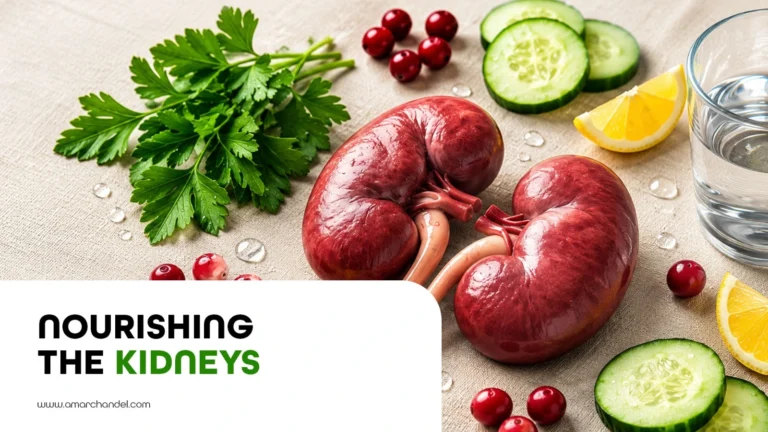
Managing chronic kidney disease through nutrition relies on balancing essential nutrients while minimising the workload on failing kidneys. Damaged kidneys…
