
When we think of eye health, most of us picture reading small text or squinting in the sunlight. But in conditions like age-related macular degeneration (AMD), the damage is deeper — it happens at the back of the eye, in a very sensitive area called the macula, which is responsible for sharp, central vision. Over many years, the eyes take a beating from sunlight, especially blue light, and from oxidative stress. Fortunately, modern nutrition science offers simple but powerful ways to support our eyes and reduce the risk of AMD.
Age-related macular degeneration is not entirely inevitable, even though ageing is a major risk factor. Thanks to growing research, we now know that what we eat can truly protect our eyes. Zeaxanthin and lutein, the yellow pigments found in certain plant foods and goji berries, help build a natural shield for the macula. With smart food choices, a few lifestyle tweaks, and regular medical check-ups, many of us can reduce the risk of AMD — and maybe keep our central vision sharp well into old age.
Our eyes focus light onto the retina, and the macula sits in the centre of the retina. This is where we see fine details, read, recognise faces and enjoy our central vision. Just like a magnifying glass concentrates sunlight, the lens of our eye can focus damaging rays into the retina. To handle that stress, the retina has a built-in defence – a layer of cells called the retinal pigment epithelium (RPE), which supports photoreceptors and protects them.
Importantly, the macula accumulates yellow pigments — primarily zeaxanthin (and to some extent lutein) — which come only from our diet. These pigments act like natural sunglasses, filtering out blue light and reducing oxidative damage. In fact, the more of this pigment your eyes have (a measure called macular pigment optical density, or MPOD), the better protected they are.
When these pigments are low, the risk of AMD goes up. Over years, waste and debris (called drusen) build up under the retina, damaging its function. Preventing AMD through diet, therefore, means providing your macula with the right pigments early, and maintaining them through life.
Recent studies have strongly supported the idea that dietary zeaxanthin — not just from eggs, but from plant foods and berries — is effective at increasing macular pigment.
One important randomised pilot trial administered 28 grams of goji berries (Lycium barbarum) daily for 90 days to healthy middle-aged individuals and observed significant increases in MPOD (at specific points in the eye) compared to a supplement group. Goji berries are particularly rich in zeaxanthin, more so than many other common foods.
Another clinical study in Chinese patients with early AMD (aged roughly 51–92 years) gave 25 g of goji berries per day for 90 days. They found that serum zeaxanthin levels nearly tripled, and MPOD (yellow pigment in the macula) significantly increased. That means more protection in the retina. Interestingly, visual acuity also improved a bit, suggesting that higher pigment levels translated into modest functional benefit.
There is also older evidence: in a double-blind controlled trial among elderly subjects (65–70 years), a milk-based goji preparation for 90 days prevented soft drusen accumulation (drusen are the deposits under the retina associated with AMD) and increased plasma zeaxanthin levels. This is especially important — drusen are a hallmark of early AMD, so slowing or preventing their buildup may delay disease progression.
Excitingly, a longer-term interventional clinical trial is now underway (led by the University of California, Davis) where older people (65–95) are being given 14 grams of goji berries five days a week for six months, to test its effect on macular health, blood zeaxanthin levels, gut microbiome, and other health outcomes. This shows how strong the science is becoming, and why goji berries are being seriously studied as a food-based strategy to prevent AMD.
In India, clinical attention to AMD is growing, and so is research. A post-marketing surveillance study published in the Indian Journal of Clinical and Experimental Ophthalmology evaluated a fixed-dose combination supplement containing lutein, zeaxanthin, vitamin C, zinc, copper, and vitamin E among Indian AMD patients. This study followed hundreds of patients, and investigators reported improvements in vision-related quality of life and fewer symptoms after three months, with the capsule being considered safe and well-tolerated. While this is not the same as dietary prevention, it shows that Indian ophthalmologists and researchers recognise the value of macular carotenoids in local populations.
That said, most eye experts would argue that getting zeaxanthin and lutein via natural food sources is better than relying fully on supplements. Not only does food provide the pigments, but it also contains other protective nutrients like antioxidants, polysaccharides, and anti-inflammatory compounds.
If you want to build up and maintain your macular pigment naturally, here are some very practical suggestions, drawing on both traditional Indian foods and modern research:
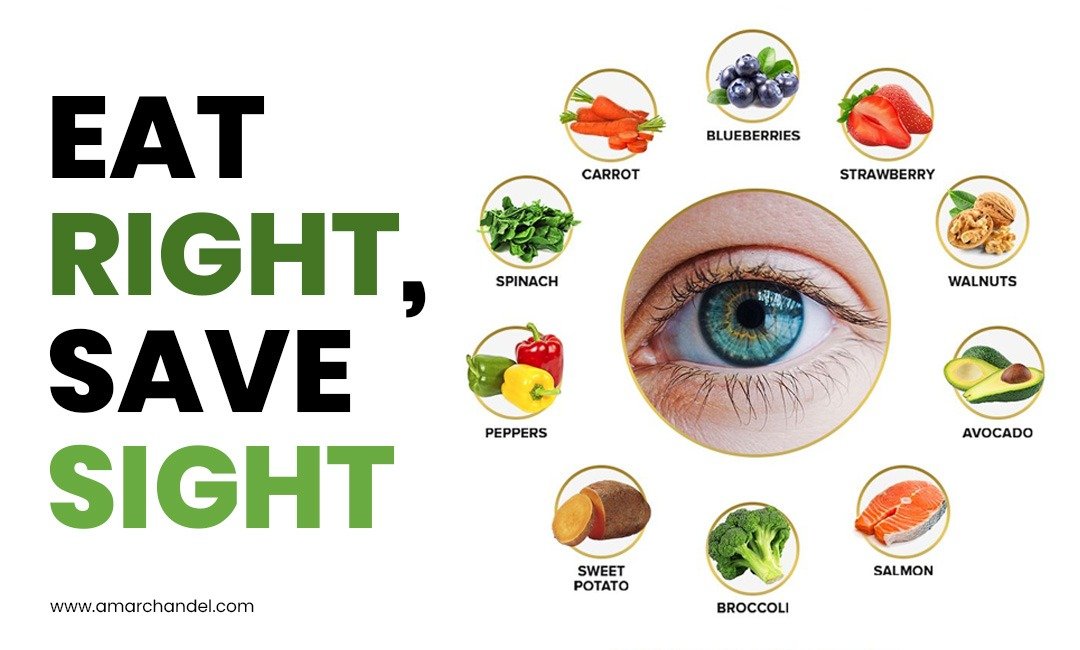
• Leafy green vegetables: Spinach, fenugreek (methi), kale, amaranth (chaulai) are rich in lutein and some zeaxanthin. These should ideally be cooked lightly or sautéed with a little healthy oil, so your body can absorb the pigments better.
• Yellow/orange vegetables: Corn (makai), pumpkin (kaddu), carrots (gajar) — these foods help too. Corn, in particular, contains zeaxanthin in good quantities.
• Fruits: Some fruits like papaya, oranges, and mango contain carotenoids. While they may not be as rich in zeaxanthin, they are part of a healthy antioxidant-rich diet.
• Goji berries: Though not traditionally common in Indian kitchens, dried goji berries are now more available in some health-food stores. Adding a handful (around 20–30 g) in your day — if affordable and acceptable — may help boost macular pigment over time.
• Nuts and seeds: Pistachios, almonds, and pumpkin seeds contain carotenoids and also healthy fats, which help absorb these pigments.
• Other carotenoid-rich foods: Cornflakes (if unsweetened), yellow dals, and even saffron (in very tiny amounts) can contribute in a small way when eaten as part of a varied diet.
Also, lifestyle matters: a well-balanced diet works best when combined with avoiding smoking, wearing good UV‑blocking sunglasses, controlling blood pressure and cholesterol, and exercising regularly, because these factors also influence AMD risk.
Why Diet Can Be Better Than Cataracts (or Risky Surgery)
Sometimes, ageing eyes develop cataracts — the clouding of the lens. Some surgeons remove cataracts to restore vision. But studies suggest that when the cataract lens is removed, you lose some natural filtering of blue light, which can increase AMD risk. Over time, if you remove the front “yellow filter” of the lens, you may expose the back of the eye to more oxidative harm. In contrast, pigmenting the back of the eye with diet is a safer, more sustainable way to defend your retina.
Moreover, unlike surgery or high-dose supplements, the diet-based approach has few side effects, especially if you focus on food rather than extracts. Plants already carry the natural balance of nutrients, and your body seems to “hold on” well to these pigments: some studies show that even after stopping goji berry intake, the MPOD (macular pigment) stays elevated for months.
Recent modeling research, using techniques from artificial intelligence and data science, has also highlighted zeaxanthin (along with copper and omega‑3s) as among the most promising nutritional factors associated with AMD prevention. Such analyses reinforce what clinical trials are already showing, and suggest that future diets for eye health should emphasize this pigment.
Indian ophthalmologists are increasingly recommending combined nutrient formulations, as seen in post-marketing surveillance data. At the same time, global trials are underway, such as a 6-month goji berry trial (ClinicalTrials.gov NCT06237127) in older adults, to test its long-term impact on macular health, gut microbiome, and even blood markers.
Practical Take‑Home for Indians Concerned About AMD
1. Eat your greens regularly: Try to have leafy greens like spinach or methi at least 3–4 times per week.
2. Include yellow/orange vegetables: Corn, carrot, and pumpkin are your friends.
3. Snack wisely: Add pistachios or goji berries (if available) — these help boost your eye pigment.
4. Avoid excessive junk food: A diet high in processed foods, sugar, and unhealthy fats works against eye health.
5. Manage lifestyle factors: Quit smoking, control your blood pressure, protect your eyes from sunlight, and get regular eye check-ups (especially after age 50).
6. Talk to your doctor: If AMD risk runs in your family, or if you notice early vision changes, discuss with an eye specialist the possibility of carotenoid supplementation or dietary strategies tailored to you.
References
• Lu, M.-M., et al. “Macular pigment and serum zeaxanthin levels with Goji berry supplement in early age-related macular degeneration.” International Journal of Ophthalmology, 2018.
• Wu, A.B., et al. “Goji Berry Intake Increases Macular Pigment Optical Density in Healthy Adults: A Randomized Pilot Trial.” Nutrients, 2021.
• Bucheli, P., et al. “Goji berry effects on macular characteristics and plasma antioxidant levels.” Investigative Ophthalmology & Visual Science, 2001.
• Pawaskar, L., Sharma, A., Kiran, M. “Efficacy and safety for combination of lutein, vitamin C, zeaxanthin, zinc, copper, and vitamin E in Indian AMD patients.” Indian Journal of Clinical & Experimental Ophthalmology, 2023.
• Hackman, R. “Effects of Goji Berry Intake on Risk of Age‑Related Macular Degeneration.” NIFA / University of California, Davis Clinical Trial.
• Jacaruso, L.C. “Insights Into the Nutritional Prevention of Macular Degeneration …” arXiv, 2023.