
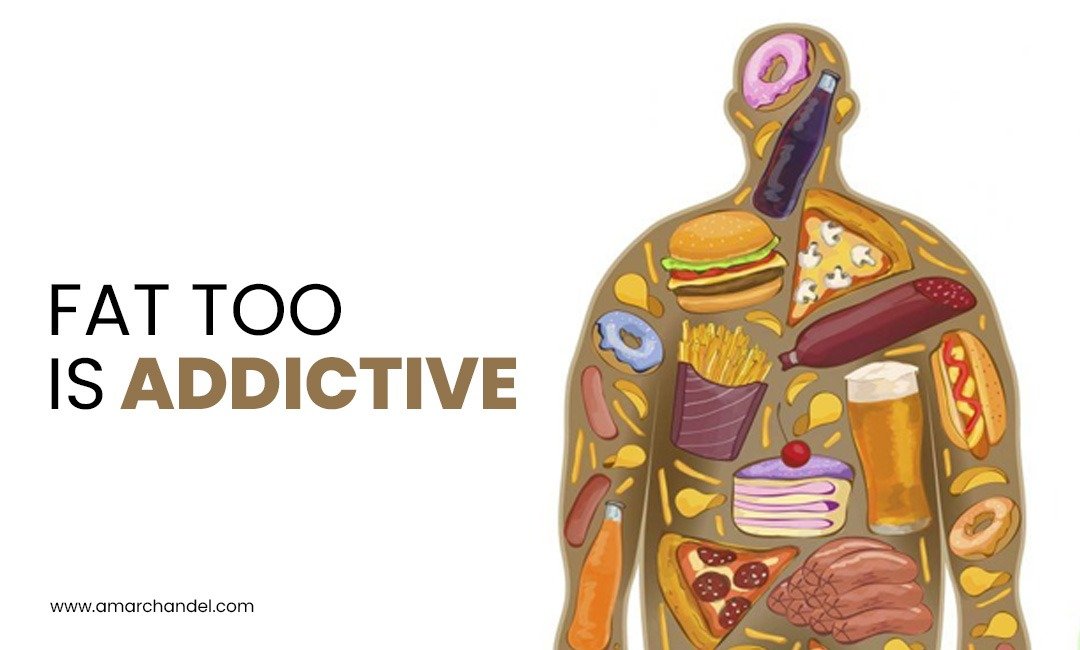
We often think addiction only applies to drugs, alcohol, or cigarettes, but modern research shows certain foods—especially high-fat, high-sugar foods—can trigger addiction-like changes in the brain. This is highly relevant in India, where samosas, pakoras, pizza, chocolates, mithai, ice cream, butter chicken, chaats, and ultra-processed snacks are consumed daily by all age groups.
Like the tobacco industry, today’s food industry designs products to hijack the brain’s reward system, particularly dopamine pathways. Dopamine, the “pleasure chemical,” regulates motivation, reward, enjoyment, and cravings. Overstimulation of dopamine by fatty or sugary foods desensitises the brain, leading to overeating and loss of control—mechanisms similar to drug addiction.
Earlier, only sugar was thought to spike dopamine rapidly, but recent studies show fat also alters brain reward pathways. A 2019 brain-imaging study (Small et al., Cell Metabolism) found that even a single high-fat snack produces dopamine changes comparable to sugary foods. Another experiment with butterfat-laden yogurt showed dopamine activation within 30 minutes, demonstrating that the brain perceives fatty foods as pleasure triggers, not just energy.
Ice cream exemplifies why fat plus sugar is hard to resist. Its combination of fat, sugar, cold, and smooth texture strongly stimulates the brain. A study from the University of Oregon (Killgore & Yurgelun-Todd, 2013) found frequent ice cream eaters had a reduced dopamine response to milkshakes, meaning they needed larger portions or richer foods for the same pleasure—mirroring drug tolerance. In India, many popular foods—milkshakes, paneer butter masala, cheese pizza, mithai, and packaged snacks—create this “high-fat–high-sugar” effect.
Energy density also matters. Foods delivering calories rapidly—like fast food—create larger dopamine spikes than slower-digesting foods like fruits, vegetables, dals, and roti. Studies (Temple et al., 2017) show calorie-dense foods blunt dopamine more, explaining why fried snacks or pastries are harder to resist.
Addiction-like patterns—tolerance, withdrawal, compulsive use despite harm—are now observed in overeating (Gearhardt et al., 2011). Some psychiatrists suggest obesity is a mental health disorder because of this shared neurobiology with drug addiction (Volkow et al., Lancet Psychiatry, 2016). Drugs like naltrexone can reduce cravings for fatty foods by blocking opioid-like compounds in cheese (Drewnowski et al., 1995), but medication is neither sustainable nor safe.
A safer, simpler solution is to choose calorie-dilute, nutrient-rich plant foods. Research shows fruits, vegetables, whole grains, dals, nuts, seeds, and traditional Indian meals restore dopamine sensitivity, reduce cravings, and allow enjoyment of normal flavours again (Stice et al., 2018).

For India, understanding food addiction is critical. Fast-food consumption among teenagers is rising, with nearly one-third eating it daily (ICMR, 2023). Ultra-processed foods are engineered to hijack the brain, making willpower alone insufficient.
Dopamine pathways govern pleasure, motivation, mood, and joy. When desensitised by food addiction, people feel less energetic, less motivated, and less able to enjoy life, similar to smokers or drug users. Returning to natural, plant-based, home-cooked foods helps rebalance the brain, making eating peaceful rather than compulsive. India’s culinary tradition already provides the perfect solution: fruits, vegetables, whole grains, dals, and nuts nourish the body, satisfy hunger, and restore brain balance.
References: Small et al., 2019; Killgore & Yurgelun-Todd, 2013; Temple et al., 2017; Gearhardt et al., 2011; Volkow et al., 2016; Drewnowski et al., 1995; Stice et al., 2018; ICMR, 2023.