
After about an hour of hard exercise such as long-distance running, cycling, or intense team sports, the body’s main quick-energy reserve, called glycogen, starts running low. This has been known for decades. As early as the 1930s, researchers showed that giving athletes sugar during exercise could delay fatigue and help them perform longer. Over time, this basic idea gave rise to today’s sports nutrition industry, which markets energy drinks, gels, bars, chews, and even sports-specific jelly beans as “essential” performance aids.
In recent years, these products have also been heavily promoted in India, especially among runners, cyclists, gym-goers, and young athletes. Many believe that without branded sports supplements, good performance is not possible. However, modern research suggests that this belief is more marketing-driven than science-driven.
One often-cited example comes from studies sponsored by the Jelly Belly Candy Company, which found that sports jelly beans could slightly improve cycling time trials compared to sports drinks or gels. What was rarely highlighted in marketing campaigns, however, was a much more interesting comparison: jelly beans versus simple, natural foods like raisins.
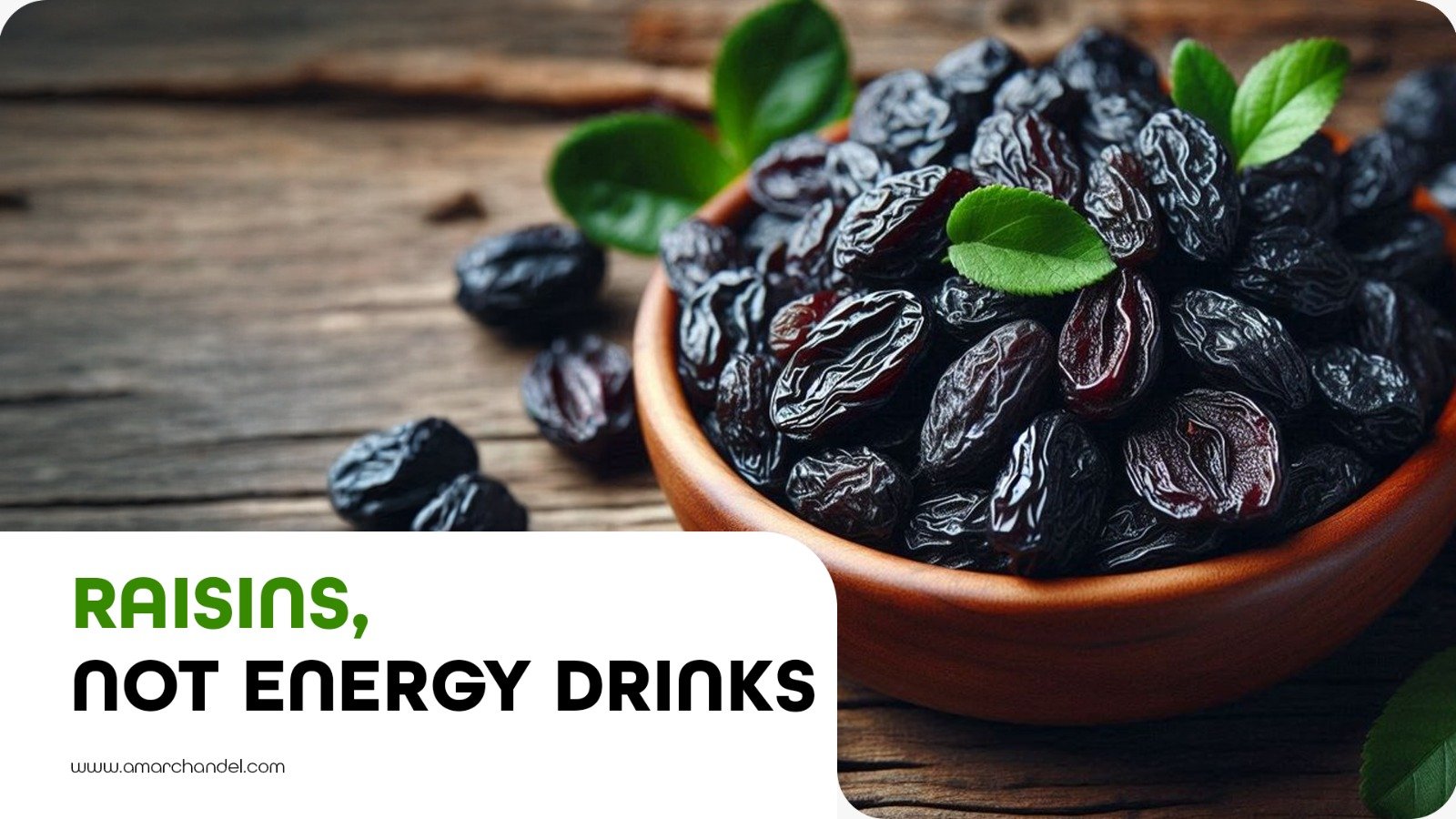
Independent research has shown that sun-dried raisins perform just as well as commercial sports products. In controlled trials, athletes who consumed raisins during endurance exercise showed the same time to exhaustion, the same power output, and the same overall energy use as those who consumed sports gels or jelly beans. Measures such as breathing efficiency, carbohydrate and fat burning, and total energy expenditure were essentially identical. In other words, from a performance point of view, raisins worked exactly as well.
What did differ was preference. When athletes were asked about taste and overall pleasantness, raisins scored higher than jelly beans. Many participants preferred the simple, natural taste of raisins over artificial flavours such as “extreme watermelon.” This matters because foods that are easier and more pleasant to eat during exercise are more likely to be consumed consistently, especially during long training sessions or competitions.

For India, this finding is particularly important. Raisins are widely available, affordable, and familiar. They are already part of many Indian diets and are easy to carry during runs, rides, or matches. Compared to imported sports gels and candies, raisins cost far less and do not rely on artificial colours or flavours. They also provide small amounts of fibre, potassium, and antioxidants, offering modest nutritional benefits beyond just sugar.
The larger message from recent research is clear: athletes do not need expensive, heavily marketed supplements to perform well. What the body needs during endurance exercise is carbohydrates, fluids, and timing. Simple foods that meet these needs can work just as effectively as designer products. For Indian athletes, students, and fitness enthusiasts, choosing natural, low-cost options like raisins can support performance without unnecessary expense.
Sources and references:
- Kern, M. et al. “Raisins as an alternative to sports gels in endurance exercise.” Journal of the International Society of Sports Nutrition, 2014.
- Jeukendrup, A. “Carbohydrate intake during exercise and performance.” Sports Medicine, 2011.
- American College of Sports Medicine. “Nutrition and Athletic Performance.” Joint Position Statement, updated reviews.