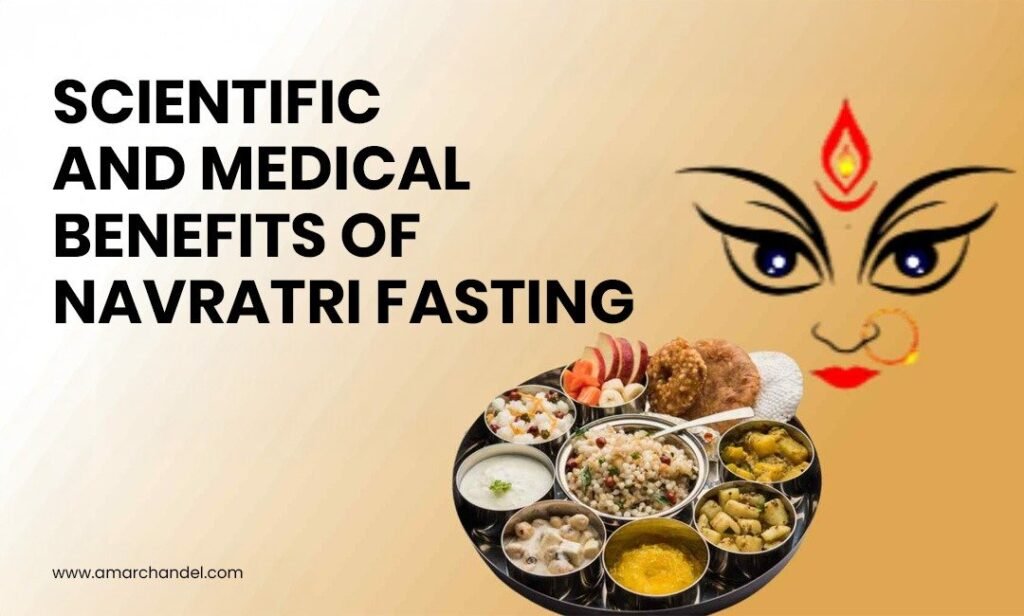

Scientific and Medical Benefits of Navratri Fasting
Fasting during Navratras (the nine nights of Devi worship) is often approached as a spiritual discipline, but modern science and medicine show that it also has profound health benefits. Let me explain these in detail:
• Fasting lowers insulin levels and allows the body to switch from burning glucose to burning stored fat (ketosis). • This improves insulin sensitivity, reducing the risk of type 2 diabetes. • Studies on intermittent fasting and time-restricted feeding show reduced blood sugar spikes, better metabolic control, and improved fat utilisation.
Detoxification and Cellular Repair • When food intake is restricted, the body initiates autophagy—a process where old, damaged cells and proteins are broken down and recycled. • This helps remove toxins, prevents the buildup of harmful proteins linked to diseases like Alzheimer’s, and promotes cellular renewal. • Navratri fasting, which often excludes heavy, processed foods, reduces the toxic load on the liver and kidneys.
Weight Regulation • Fasting reduces caloric intake naturally without feeling forced, helping in weight loss or maintenance. • It enhances fat metabolism, which preserves muscle mass while reducing excess fat stores. • The avoidance of fried and refined foods during Navratri adds to this effect.
Digestive Rest and Gut Health • The digestive system is one of the most energy-demanding systems. Fasting gives it a chance to rest and repair. • It enhances the balance of the gut microbiome, especially when sattvic foods like fruits, nuts, and dairy are consumed. • Reduction in bloating, acidity, and indigestion is common.
Cardiovascular Benefits • Fasting lowers blood pressure, triglycerides, and cholesterol levels. • It improves arterial flexibility and reduces inflammation, lowering risk of atherosclerosis and heart disease. • A study in Cell Metabolism found that intermittent fasting enhances cardiovascular health markers significantly.
Brain Health and Mental Clarity • Fasting boosts production of Brain-Derived Neurotrophic Factor (BDNF), which supports neuron growth and brain plasticity. • It increases mental clarity, alertness, and emotional balance. • Many people report feeling lighter, calmer, and more focused during Navratri—partly due to fasting-induced neurochemical changes.
Hormonal Balance and Longevity • Fasting reduces IGF-1 (Insulin-like Growth Factor 1), a hormone linked to cancer and ageing. • Lower IGF-1 and enhanced autophagy increase lifespan and reduce age-related diseases. • By balancing cortisol and other stress hormones, fasting also improves emotional resilience.
Immune System Boost • Short-term fasting triggers the production of new white blood cells and enhances immune efficiency. • It reduces chronic inflammation, a root cause of diseases like arthritis, cancer, and heart disease. • Seasonal fasting, like Navratri, aligns the body with circadian and seasonal rhythms, making the immune system stronger.
Why Navratri Fasting is Especially Beneficial?
• It is seasonal: Navratras occur at the cusp of seasonal transitions (spring and autumn), when the body is most vulnerable. Fasting here helps adaptation. • It is sattvic: Foods permitted (fruits, milk, nuts, rock salt, buckwheat, amaranth) are light, natural, and nourishing. • It is mind-body integrated: Combined with prayer, mantra, and meditation, fasting reduces stress, lowers cortisol, and enhances overall well-being.
In essence:
Navratri fasting is not just a ritual. Modern science confirms that it: • Detoxifies body and mind • Resets metabolism • Boosts immunity • Enhances brain and heart health • Promotes longevity
It is a perfect blend of ancient wisdom and modern medicine.
Managing chronic kidney disease through nutrition relies on balancing essential nutrients while minimising the workload on failing kidneys. Damaged kidneys…