
Do Jal Neti Safely
An Ancient Practice Backed by Modern Medicine Using a neti pot to flush the nasal passages with salt water is…
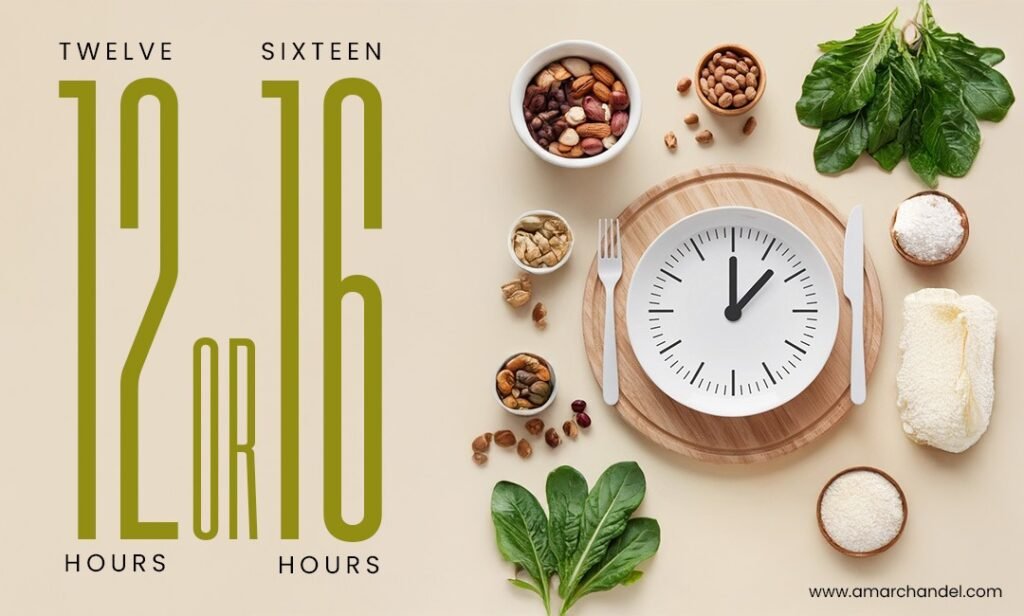
The debate between 12-hour intermittent fasting (IF) and the more popular 16:8 model (16 hours fasting, 8 hours eating window) is nuanced. While the 16:8 method has been widely promoted, recent studies suggest that a 12-hour daily fasting window may offer several advantages without the potential downsides of longer fasting periods.c
1. Better Compliance & Lower Stress Response
• Adherence is critical for long-term benefits.
A 12-hour fasting window (e.g., 7 pm–7 am or 8 pm–8 am) is easier to integrate into daily life compared to the stricter 16:8, especially for those with active lifestyles or higher energy needs.
• Longer fasting may activate stress pathways, increasing cortisol and leading to hormonal imbalances in some individuals.
A 2022 review in Nutrients highlighted that longer fasts (beyond 14 hours) might elevate cortisol, impair sleep, and trigger disordered eating patterns in susceptible individuals.
Reference:
• Longo VD, Mattson MP. “Fasting: Molecular Mechanisms and Clinical Applications.” Cell Metabolism 2014.
• Wilkinson MJ, et al. “Ten-Hour Time-Restricted Eating Reduces Weight, Blood Pressure, and Atherogenic Lipids in Patients with Metabolic Syndrome.” Cell Metab. 2019.
2. Circadian Rhythm Alignment
• Human metabolism follows a circadian rhythm, with insulin sensitivity, digestive capacity, and calorie burning optimised during daylight hours.
Eating within a 12-hour window starting earlier in the day aligns better with natural biological clocks.
• A landmark study by Satchidananda Panda’s group (Salk Institute, 2012) showed that mice restricted to a 12-hour feeding window (even on a high-fat diet) had better metabolic profiles than those with ad libitum access.
Reference:
• Hatori M, et al. “Time-Restricted Feeding without Reducing Caloric Intake Prevents Metabolic Diseases in Mice Fed a High-Fat Diet.” Cell Metab. 2012.

3. Avoidance of Undereating and Muscle Loss
• Extending fasts to 16+ hours can lead to underconsumption of calories, especially in physically active individuals or older adults, risking muscle mass loss.
• A randomised trial published in JAMA Internal Medicine (2020) by Dr. Ethan Weiss showed that while a 16:8 fasting group lost modest weight, they also lost significant lean muscle mass compared to the control group, raising concerns for long-term health.
Reference:
• Lowe DA, et al. “Effect of Time-Restricted Eating on Weight Loss in Adults with Overweight and Obesity.” JAMA Intern Med. 2020.
4. No Significant Extra Benefit of 16:8 over 12:12 in Some Studies
• Some human trials found no significant metabolic or weight-loss advantage of 16:8 fasting over shorter fasting periods, particularly when calorie intake and quality of diet were controlled.
• A 2022 randomised controlled trial concluded that an early 12-hour time-restricted eating pattern led to comparable metabolic improvements as longer fasting windows, especially when combined with healthy dietary patterns.
Reference:
• Rynders CA, et al. “Effectiveness of Intermittent Fasting and Time-Restricted Feeding Compared to Continuous Energy Restriction for Weight Loss.” Nutr Rev. 2019.
5. Improved Sustainability and Lifestyle Fit
• A 12-hour eating window reflects a natural pattern of overnight fasting (7 pm to 7 am), making it:
• Sustainable for most people.
• Less likely to disrupt social meals.
• Easier to maintain hydration and electrolyte balance.
• Longevity studies suggest moderate caloric control combined with circadian alignment is more impactful than aggressive fasting protocols.
While 16:8 fasting may yield short-term benefits for some, especially younger, metabolically healthy individuals, the 12:12 intermittent fasting:
• Aligns better with circadian biology,
• Reduces the risk of hormonal imbalance and muscle loss,
• Is easier to sustain,
• May offer comparable metabolic benefits without undue physiological stress.
Dr. Satchin Panda (Salk Institute, Circadian Rhythm Expert)
• Key Idea: Time-restricted eating should sync with circadian biology — our body’s natural day-night cycle.
• Findings:
• Eating within a 10-12 hour window, especially earlier in the day, supports metabolism, hormone balance, and better sleep.
• Longer fasts (like 16:8) may not confer additional benefits and can cause unnecessary stress.
• In his human studies, even a 12-hour window led to improved glucose control, weight regulation, and sleep quality.
• Quote:
“It’s not about eating less but eating in the right time window.”
(Dr. Panda in interviews and his book “The Circadian Code”, 2018)

🗣 Dr. Valter Longo (USC, Longevity Researcher, Creator of the Fasting-Mimicking Diet)
• Key Idea: Moderate fasting that doesn’t trigger stress pathways is better for long-term health and longevity.
• Findings:
• Longer daily fasts may activate stress hormones and increase risk of muscle loss if not carefully monitored.
• A 12-hour fasting cycle, combined with nutrient-dense food and occasional periodic fasting, is safer and sustainable.
• He emphasises the importance of not exceeding 13 hours of fasting daily for most people.
• Quote:
“We see no added advantage of daily fasting beyond 12–13 hours in long-term human studies.”
(Dr. Longo in “The Longevity Diet” and various interviews)
🗣 Dr. Ethan Weiss (UCSF, Cardiologist, Led Time-Restricted Eating Clinical Trial)
• Key Idea: Evidence for intermittent fasting in humans is mixed, and longer fasts might come with trade-offs.
• Findings from his 2020 RCT (JAMA Internal Medicine):
• 16:8 fasting caused muscle loss without significant weight loss advantage.
• Eating window timing matters more than fasting duration.
• He later admitted in interviews that 12-hour fasting might be safer and more practical for most people.
• Quote:
“We were surprised that fasting led to loss of lean mass… Maybe shorter fasting windows work better.”
(Post-study interviews, 2020)
📝 Consensus from These Experts:
• 🔹 12-hour fasting (e.g., 7 pm–7 am) is effective, safe, and sustainable.
• 🔹 Overly aggressive fasting (16 hours+) may have diminishing returns or even adverse effects.
• 🔹 Alignment with natural rhythms (circadian clock) and quality of diet are crucial.
• 🔹 Occasional prolonged fasting or fasting-mimicking diets (under supervision) might be beneficial, but daily extreme fasting is not universally advisable.
Key References for Further Reading:
• Longo & Mattson (2014). Cell Metabolism
• Wilkinson MJ et al. (2019). Cell Metab
• Hatori M et al. (2012). Cell Metab
• Lowe DA et al. (2020). JAMA Intern Med
• Rynders CA et al. (2019). Nutr Rev

An Ancient Practice Backed by Modern Medicine Using a neti pot to flush the nasal passages with salt water is…
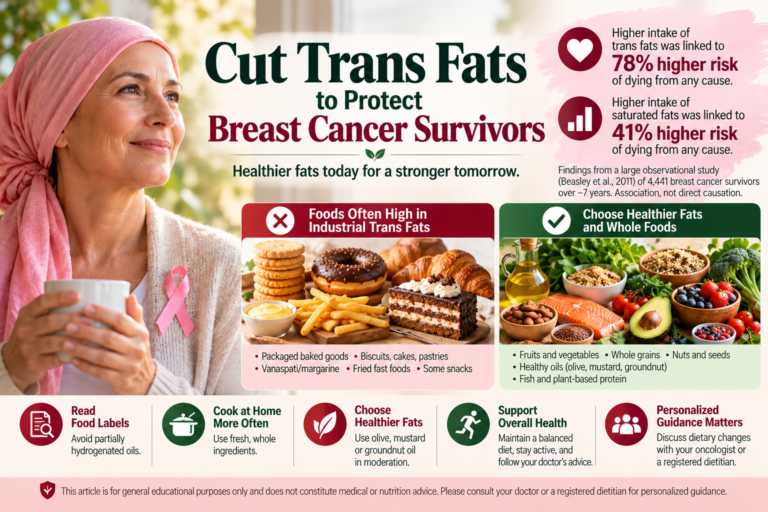
For millions of women who have completed breast cancer treatment, the transition into survivorship is marked by both relief and…
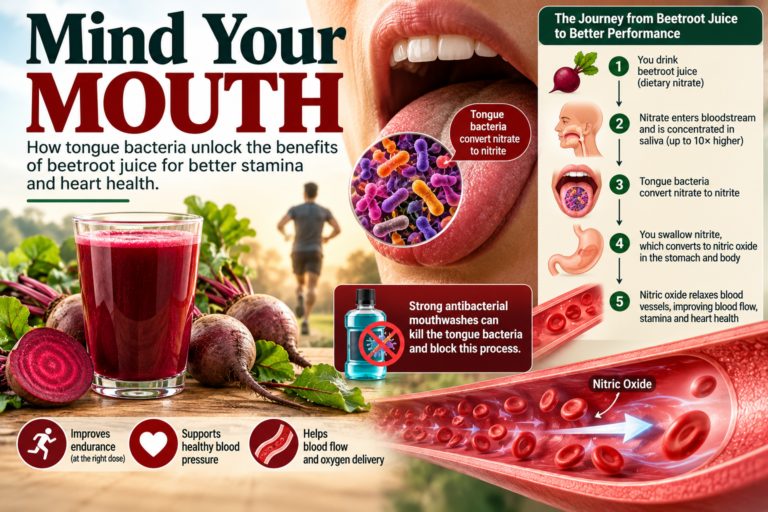
The performance boost many people attribute to a daily shot of beetroot juice does not depend solely on what is…
