

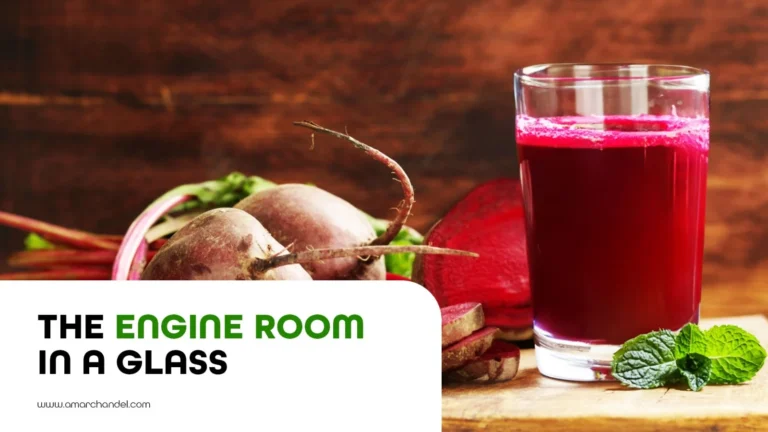
The Engine Room in a Glass
Every time we flex a muscle, take a breath, or blink an eye, our body spends a tiny packet of…
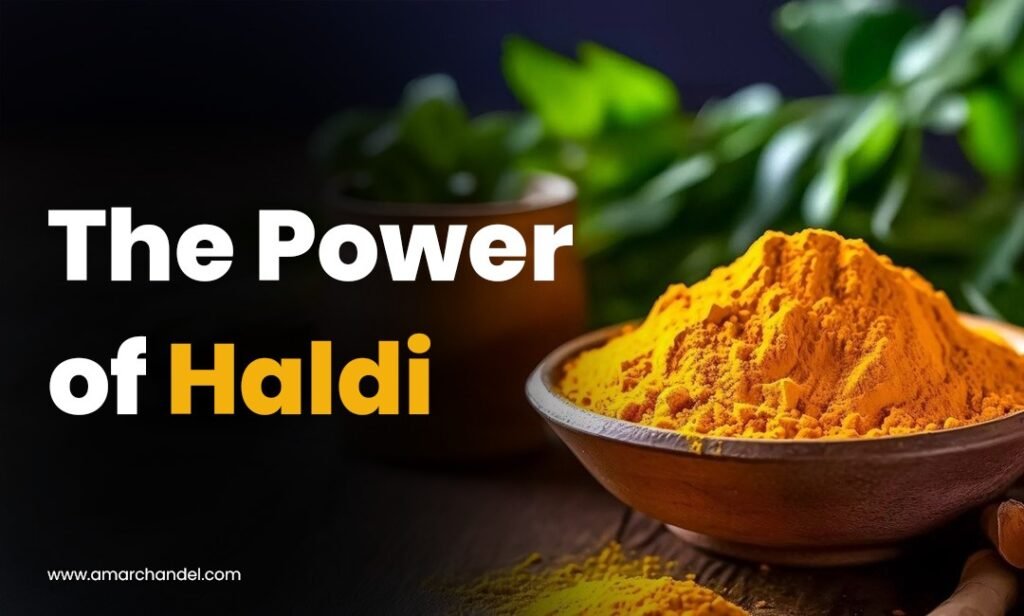
Even in our daily kitchens in India, the bright yellow spice turmeric carries a hidden power. The compound inside it known as curcumin is being studied with great seriousness for its ability to help re-programme how damaged or cancerous cells may die. Researchers now understand that curcumin’s anti-cancer effects go far beyond simply blocking harmful chemicals: it intervenes in the natural processes of cell death (apoptosis) so that the body can replace old, faulty cells with healthy ones. (See reviews by Fuloria et al. 2022 and Wang 2023.)
Consider for a moment: the human body is made up of around 37 trillion cells (that’s a million-million), and many of these are replaced roughly every hundred days. In effect, we rebuild ourselves physically about every three months. What we eat becomes our new building blocks—and how we handle the removal of old or damaged cells matters just as much. In this cycle of renewal, apoptosis is the “wrecking crew” that takes away the old, damaged cells so new, healthy ones can come in. Cancer cells are those that escape this crew: they keep living when they should have died. That’s one of the key problems curcumin is being asked to help with.
In laboratory studies (in vitro) curcumin has shown the ability to turn on those self-destruct programmes in cancer cells. For example, in head & neck and lung cancer cell lines, curcumin induced apoptosis by activating p73 (a tumour suppressor) and suppressing p-AKT and Bcl-2 (which help cells resist death). Other research shows curcumin triggers both the intrinsic (mitochondrial) and extrinsic (death-receptor) pathways of apoptosis in colon, breast, and other cancers. What makes this especially interesting in an Indian context is that turmeric is cheap, well-known, and culturally familiar, making it accessible to many.
Moreover, curcumin seems to selectively affect tumour cells while sparing normal cells (at least in lab settings). That means it carries promise as a complementary strategy alongside conventional cancer therapy—especially important in India, where resources are often constrained. A systematic review found curcumin reduced side effects of chemotherapy or radiotherapy in patients and improved quality of life in some studies.

That said, there are important caveats: The doses used in lab (cell) studies are often far higher than what can be safely achieved in humans, and curcumin’s bio-availability (how much can be absorbed and used by the body) is low. Another recent review emphasises that while apoptosis induction is clear in many models, clinical validation remains limited and many questions about optimal dosing, formulation, and delivery remain.
From an Indian health-perspective, what can we take away? First, including turmeric regularly as part of a balanced diet makes sense—not as a “magic cure”, but as a supportive, low-cost strategy that aligns with traditional food wisdom. Second, it prompts us to think: if we are renewing our body constantly every few months, then offering good inputs (nutritious food, minimal toxins, adequate rest and movement) and supporting the removal of damaged cells becomes a holistic health goal. Third, we must remain cautious about hype: while curcumin is promising, it is not a standalone treatment for cancer and should not replace medical care. Also, in India issues of purity and quality of turmeric products matter: adulteration remains a concern.
In short: turmeric and its pigment curcumin exemplify how food, diet, and traditional knowledge can be brought into conversation with modern molecular science. The spice you use in your sabzi or dal carries more than flavour—it carries hope, when used wisely, for preventive health. But this hope must be grounded in realistic expectations, good quality sources, and the wider practices of whole-body health: good food, movement, rest, and when needed, orthodox medical treatment.
Every time we flex a muscle, take a breath, or blink an eye, our body spends a tiny packet of…
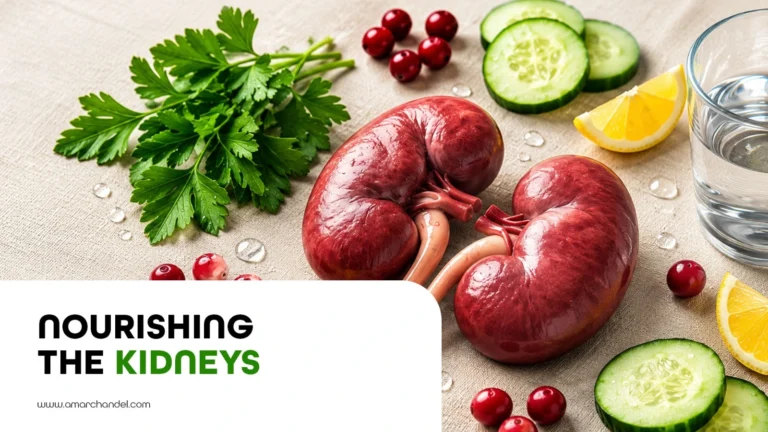
Managing chronic kidney disease through nutrition relies on balancing essential nutrients while minimising the workload on failing kidneys. Damaged kidneys…
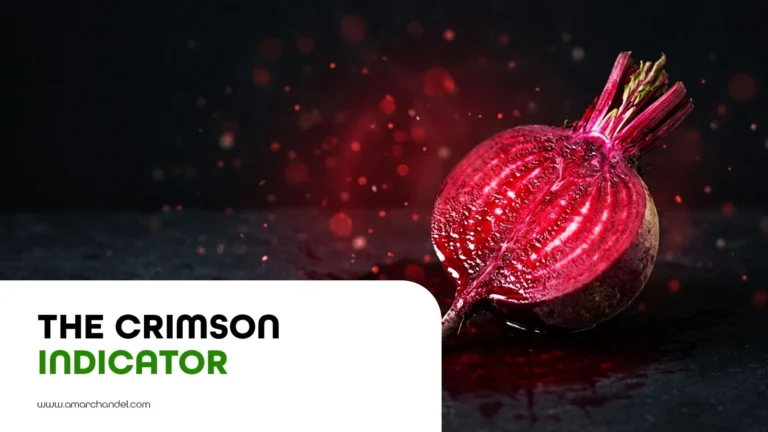
Passing pink or reddish urine after eating beetroot is a harmless condition known as beeturia. While seeing a unexpected splash…
