

The Engine Room in a Glass
Every time we flex a muscle, take a breath, or blink an eye, our body spends a tiny packet of…
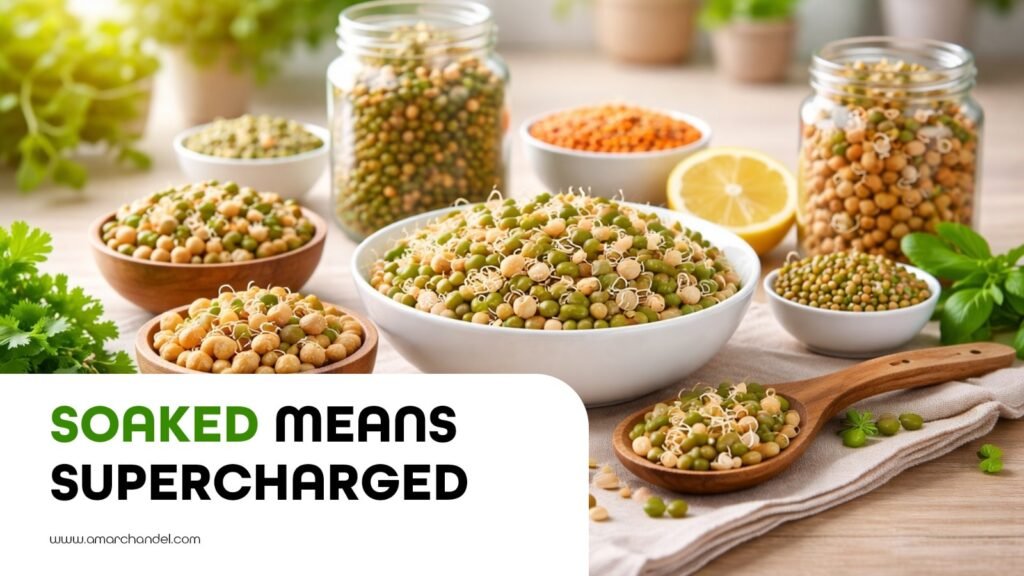
For generations, Indian kitchens have quietly practiced a powerful nutritional upgrade without calling it that. Soaking chana overnight, sprouting moong for breakfast, or using germinated ragi for porridge—these were never trends, just traditions. Today, modern science is finally catching up and explaining what our grandmothers instinctively knew: sprouting can transform ordinary seeds into far more nourishing foods.
Earlier research—including the well-known Russian antioxidant database study—showed dramatic increases in antioxidant levels after sprouting. While those early numbers varied widely depending on the food, newer research confirms the core idea: when a seed begins to sprout, its nutritional profile improves significantly, especially in terms of antioxidant activity and nutrient availability.
A seed may look lifeless, but it carries everything needed to become a plant. The moment it is soaked in water, it wakes up. Enzymes become active, and complex nutrients start breaking down into simpler forms. Proteins turn into amino acids, starches into natural sugars, and fats into usable fatty acids. This process makes the food easier for the body to digest and absorb.
At the same time, new compounds begin to form. These include vitamins, plant chemicals, and antioxidants—substances that help protect the body from damage caused by everyday stress, pollution, and ageing.
Modern studies consistently show that sprouting increases antioxidant activity in grains and pulses. In simple terms, antioxidants are compounds that help reduce internal “wear and tear” in the body.
For example, research on millets—an important staple in India—found that sprouted grains had significantly higher levels of phenolic compounds, which are key antioxidants. These sprouted millets also showed better ability to regulate blood sugar levels.
Other studies have shown similar trends across grains and legumes. During sprouting, natural plant chemicals like flavonoids and phenolic acids increase, boosting the food’s overall antioxidant capacity.
Even recent nutrition discussions highlight that sprouted foods contain compounds that help fight oxidative stress and may support heart health and metabolism. The benefits of sprouting are not limited to antioxidants. In fact, the bigger advantage may be how much easier it becomes for the body to actually use the nutrients.
Grains and legumes naturally contain substances like phytic acid, which can block the absorption of minerals such as iron and zinc. Sprouting reduces these “anti-nutrients,” making minerals more bioavailable. At the same time, vitamin levels often rise—especially vitamin C and certain B vitamins. Some studies suggest vitamin C can increase several-fold during sprouting. Protein quality also improves. The amino acids become more accessible, which is especially important in a largely vegetarian country like India.

India is facing a double burden—rising lifestyle diseases like diabetes and heart disease, along with persistent micronutrient deficiencies such as low iron levels. Sprouted foods offer a simple, low-cost way to address both.
Doctors and nutrition experts in India increasingly recommend sprouts because they have a lower glycaemic impact and can help stabilise blood sugar levels. This makes them especially useful for people with diabetes or those trying to manage weight.
At the same time, sprouts are rich in plant protein, fibre, and micronutrients—making them ideal for improving everyday diets without expensive supplements. Common Indian options like moong, chana, methi, and ragi sprouts are widely available and easy to prepare at home.
Anyone who feels heavy after eating chana or rajma may notice a difference with sprouts. That is because sprouting partially “pre-digests” the food. The body has to do less work, which can reduce bloating and improve comfort.
This is one reason why sprouts have long been used in traditional diets during recovery or seasonal transitions. While sprouting improves nutrition, it is not magic. The exact increase in antioxidants or vitamins depends on the type of seed, how long it is sprouted, and how it is stored. Some benefits are moderate rather than dramatic.
Also, in holistic healing hygiene matters. Because sprouts are grown in warm, moist conditions, they can spoil easily if not handled properly. Washing well, storing in the fridge, and consuming fresh are important safety steps.
References
Every time we flex a muscle, take a breath, or blink an eye, our body spends a tiny packet of…
Managing chronic kidney disease through nutrition relies on balancing essential nutrients while minimising the workload on failing kidneys. Damaged kidneys…

Passing pink or reddish urine after eating beetroot is a harmless condition known as beeturia. While seeing a unexpected splash…
