

The Engine Room in a Glass
Every time we flex a muscle, take a breath, or blink an eye, our body spends a tiny packet of…
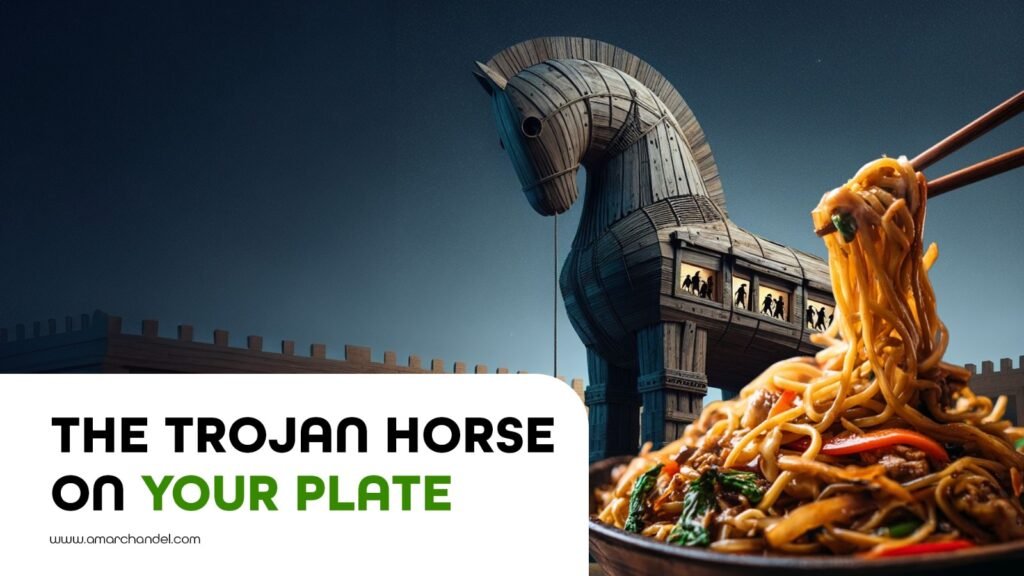
For a long time, scientists were puzzled by a specific trick that cancer cells play. Our immune system is designed to ignore our own healthy cells while attacking foreign invaders like bacteria. Since a tumour starts from our own body’s tissue, it should technically be “invisible” to our immune defences. However, many cancers, including breast and colon cancer, actually thrive on inflammation—a low-grade “simmering” response from the immune system. The mystery was how a tumour, which looks like “self,” manages to provoke the immune system into creating this helpful inflammation.
Modern research, particularly studies relevant to the changing dietary habits in India, has pinpointed a molecule called Neu5Gc as the culprit.
Humans are unique because, millions of years ago, we lost the ability to produce a specific sugar molecule called Neu5Gc. However, most other mammals, such as cows, goats, and pigs, still produce it in abundance. When Indians consume red meat or certain dairy products, this foreign sugar doesn’t just pass through the body; it gets absorbed and literally becomes part of our own tissues, especially in “hungry” areas like growing tumours. Because our bodies recognise Neu5Gc as a foreign invader (a “xeno” molecule) but see it sitting on our own cells (an “auto” situation), the immune system gets confused. It launches an attack against what it thinks is a foreign threat, creating a state of chronic inflammation.

This is where the “Trojan Horse” strategy comes in. Instead of the immune system killing the cancer, the weak, constant inflammation triggered by these anti-Neu5Gc antibodies actually provides the tumour with the tools it needs to flourish. This inflammation encourages angiogenesis, which is the growth of new blood vessels that act like tiny pipelines, bringing extra nutrients and oxygen to the tumour.
Essentially, by eating these animal-derived molecules, we are providing the fuel that helps our own tumours trick our immune system into feeding them.
In the Indian context, this research is becoming increasingly vital as “Western-style” diets—higher in red and processed meats—become more common in urban areas. While traditional Indian diets have historically been plant-heavy, the rise in meat consumption correlates with an uptick in “lifestyle” cancers. Because plants do not contain Neu5Gc, a plant-based diet effectively starves the tumour of this specific inflammatory trigger.
Recent studies have confirmed that people who follow a vegan or strictly plant-based diet have significantly lower levels of these specific antibodies in their blood, simply because they aren’t “seeding” their tissues with the foreign animal sugar. This suggests that choosing lentils, beans, and vegetables over red meat isn’t just about general health; it’s a specific strategy to stop our immune system from accidentally helping a tumour grow—an approach that also aligns with holistic healing principles.
References
Every time we flex a muscle, take a breath, or blink an eye, our body spends a tiny packet of…
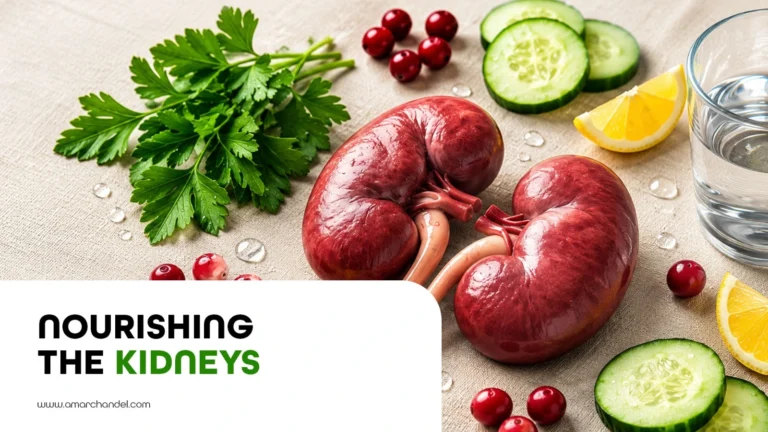
Managing chronic kidney disease through nutrition relies on balancing essential nutrients while minimising the workload on failing kidneys. Damaged kidneys…
Passing pink or reddish urine after eating beetroot is a harmless condition known as beeturia. While seeing a unexpected splash…
