
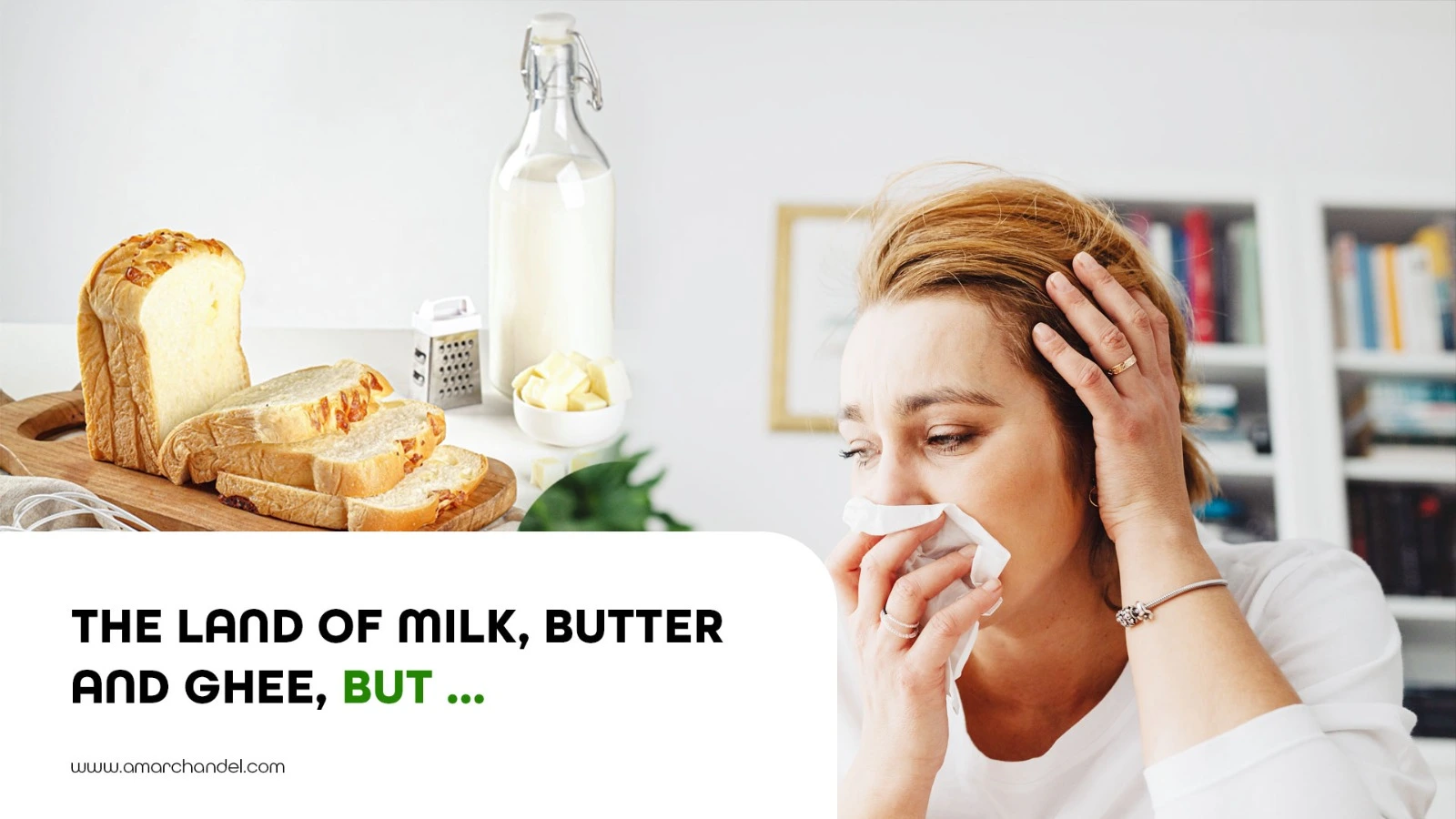
Bone-health problems are a significant public health issue in Punjab and Haryana despite their reputation for abundant consumption of milk, butter and ghee. This appears paradoxical, but bone health depends on much more than calcium intake.
A few important facts are worth noting.
A large DXA (bone density scan)-based study of 1,628 postmenopausal women in Punjab found that:
• 30.5% had osteoporosis.
• 44.2% had osteopenia (reduced bone density, a precursor to osteoporosis).
In other words, nearly three out of every four women (74.7%) had either osteoporosis or osteopenia.
Researchers also found that the risk of poor bone health was associated with factors such as elevated blood pressure, high triglycerides, chronic inflammation and poor sleep quality, showing that osteoporosis is part of a broader metabolic health problem rather than simply a calcium deficiency.
One reason this paradox exists is widespread vitamin D deficiency.
Vitamin D is essential for calcium absorption. Even if a person’s diet contains plenty of milk, curd or ghee, inadequate vitamin D means much of the calcium cannot be effectively absorbed into bones.
Numerous Indian studies have shown that vitamin D deficiency affects 70–90% of Indians, including people living in sunny states.
Interestingly, one study involving healthy adults from Punjab and Haryana—including physically active paramilitary personnel with good diets and sunlight exposure—still found a surprisingly high prevalence of low bone mineral density:
• Among men, 50% had osteopenia at the lumbar spine.
• 35% had osteopenia at the hip.
• 10% already had osteoporosis of the lumbar spine.
• Women also showed significant rates of osteopenia at several skeletal sites.
Several factors help explain why abundant dairy consumption does not automatically translate into strong bones.
First, milk provides calcium but very little natural vitamin D unless it is fortified. Without adequate vitamin D, calcium absorption falls dramatically.
Second, obesity, diabetes and chronic inflammation—which are all common in Punjab and Haryana—can adversely affect bone metabolism even when calcium intake is high.
Third, modern lifestyles mean that many people spend much less time outdoors than previous generations. Even in Punjab, clinicians report seeing large numbers of patients with vitamin D deficiency because of indoor work, pollution, clothing habits and reduced effective sun exposure.
Fourth, physical activity matters. Weight-bearing exercise is one of the strongest stimulants for maintaining bone strength. Good nutrition alone cannot compensate for a sedentary lifestyle.
Finally, ageing itself contributes significantly. As women pass through menopause, falling estrogen levels accelerate bone loss, making osteoporosis increasingly common unless preventive measures are taken.
The broader lesson is that high consumption of milk, butter and ghee should not be equated with excellent bone health. Healthy bones require a combination of adequate calcium, sufficient vitamin D, regular sunlight exposure, weight-bearing exercise, healthy body weight, good metabolic health and appropriate hormonal balance.
Thus, while Punjab and Haryana are often viewed as dairy-rich states, scientific evidence shows that osteoporosis, osteopenia and vitamin D deficiency remain common, demonstrating that nutrition alone cannot overcome the effects of modern lifestyle and metabolic disease.
Here are some other eyeopening facts and figures:
Hypertension (High Blood Pressure)
Punjab has one of the highest hypertension prevalence rates in India. A WHO STEPS survey found that:
• 40.1% of adults (18–69 years) in Punjab had hypertension.
• 26.2% of adults in Haryana had hypertension.
• Only 18.3% of hypertensive patients in Punjab had their blood pressure under control.
• In Haryana, control was even lower at just 12.0%.
Diabetes
The same state-wide WHO STEPS surveys reported:
• Diabetes prevalence was 14.3% in Punjab.
• Diabetes prevalence was 15.1% in Haryana.
• Only 14.2% of diabetics in Punjab had their blood sugar adequately controlled.
• In Haryana, only 13.8% had controlled diabetes.
Obesity and Overweight
According to the National Family Health Survey (NFHS-5), Punjab and Haryana rank among India’s most overweight states.
• More than one-third of adults in both states are overweight or obese.
• Excess body weight is a major driver of diabetes, hypertension, heart disease and stroke.
Cardiovascular Disease
Punjab and Haryana have among the highest burdens of cardiovascular risk factors in India because of the combination of:
• High-fat diets.
• Physical inactivity.
• Obesity.
• Diabetes.
• Hypertension.
These risk factors substantially increase the likelihood of heart attacks and strokes.
Cancer
Punjab has long reported unusually high cancer burdens in several districts, especially for breast, cervical and gastrointestinal cancers.
According to figures presented in the Rajya Sabha:
• Between 2021 and 2025, Punjab recorded 13,299 female cancer deaths.
• Haryana recorded 14,696 female cancer deaths.
• Across Punjab, Haryana and Himachal Pradesh combined, about 17 women died of cancer every day during this period.
• Breast cancer accounted for more than half of these deaths.
Substance Abuse
Punjab, in particular, continues to face a significant burden of opioid and other substance-use disorders.
The Government of India’s National Survey on Extent and Pattern of Substance Use (AIIMS, Ministry of Social Justice & Empowerment) found Punjab to have one of the country’s highest prevalences of opioid use, creating major public health consequences including addiction, hepatitis and mental health disorders.
Poor Disease Control
One of the most concerning findings from the WHO STEPS surveys is not merely that disease prevalence is high, but that disease control is poor.
In Punjab:
• Only 48.3% of people with hypertension knew they had the disease.
• Only 30.9% were receiving treatment.
• Only 18.3% achieved blood pressure control.
For diabetes:
• Only 34.2% were aware of their condition.
• Only 28.2% were receiving treatment.
• Only 14.2% had controlled blood sugar.
Haryana showed similarly low levels of awareness and control.