
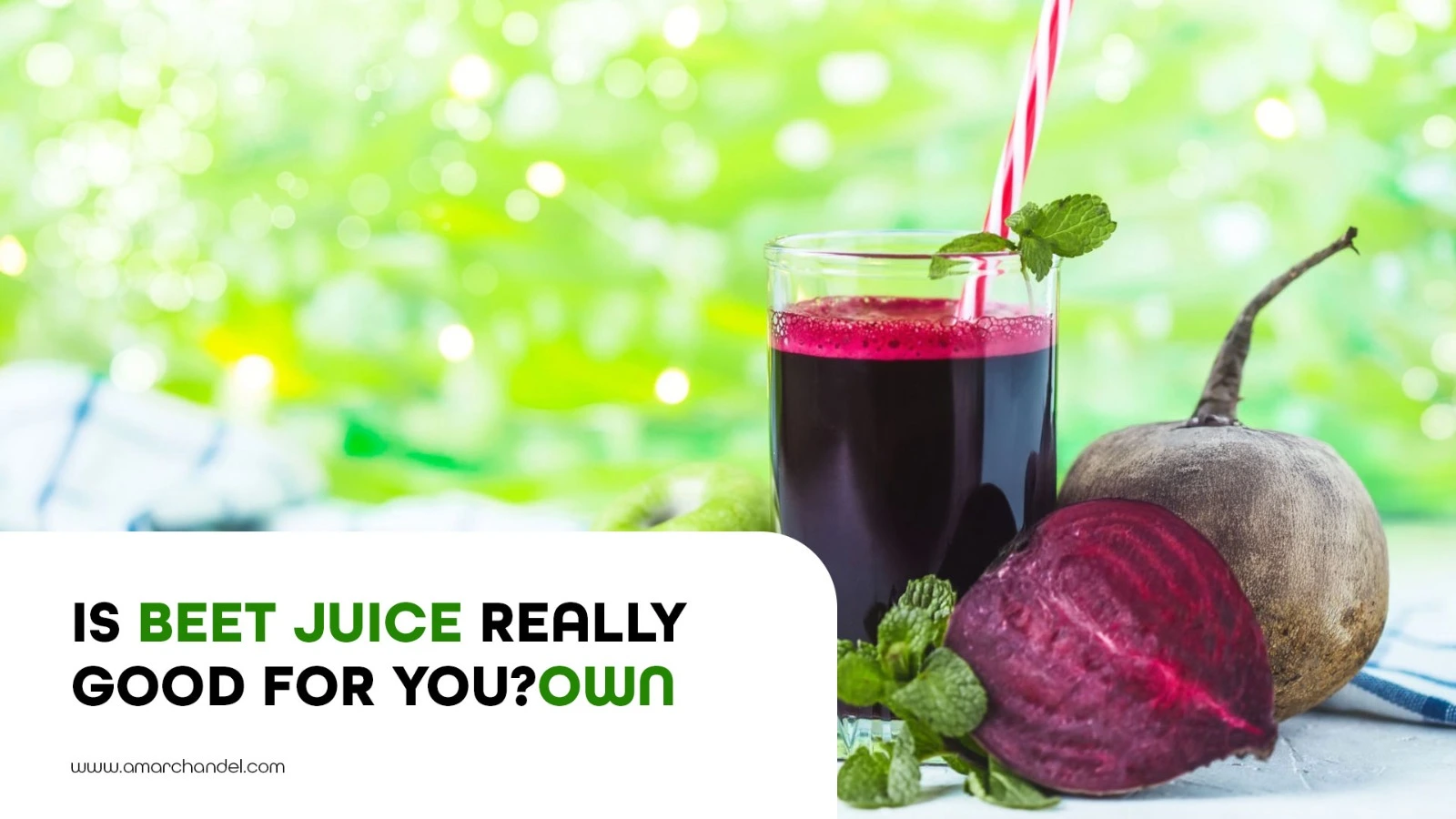
Should you be drinking beet juice every day? For years, health enthusiasts and endurance athletes have praised beet juice as a natural way to boost athletic stamina and lower blood pressure. This benefit comes from dietary nitrates found in root vegetables and leafy greens. When you eat these vegetables, bacteria living on your tongue turn those nitrates into nitrites. Once swallowed, your body converts nitrites into nitric oxide, a compound that relaxes blood vessels, improves blood circulation, and allows oxygen to reach your muscles more efficiently.
However, this process has raised concern among some researchers. Under acidic conditions, such as inside your stomach, nitrites can react with proteins to form nitrosamines. Nitrosamines are known chemical compounds linked to an increased risk of stomach and bowel cancers. This creates a clear question: does consuming nitrate-rich juices do more harm than good?
Recent scientific research shows that human biology has evolved a built-in protective system. The human body actively pumps antioxidants, particularly vitamin C, directly into stomach juices. When vitamin C meets nitrites in the stomach, it acts as a chemical shield, blocking the reaction that forms nitrosamines. Instead, it allows the nitrites to safely break down into beneficial nitric oxide. This balance is why eating natural plant foods high in nitrates does not raise cancer risk. Vegetables come naturally bundled with their own protection, carrying plenty of vitamin C alongside their nitrate content.
A potential issue arises with pure beet juice. While whole beets contain small amounts of vitamin C, commercially produced or heavily concentrated beet juice often strips away this essential antioxidant or contains very little of it. Sipping isolated beet juice repeatedly without any antioxidant protection present in the stomach could theoretically allow small amounts of unwanted nitrosamines to form over time. Fortunately, neutralising this risk requires only a tiny amount of vitamin C, such as 20 milligrams—the equivalent of a few strawberries, a small handful of broccoli, or a slice of red bell pepper.
Modern nutritionists and clinical trials suggest enjoying dietary nitrates through whole foods rather than plain, isolated shots of juice. Consuming leafy green salads, such as arugula or spinach, delivers an equal amount of nitrate while supplying the ideal balance of natural vitamins and antioxidants. If you prefer drinking beet juice for convenience, simply blend it with fresh fruit, citrus, or green vegetables to keep your stomach supplied with natural antioxidants.
While the natural nitrate in beet juice can serve as a helpful, low-cost way to support cardiovascular health and lower blood pressure, the traditional Indian culinary practice of pairing raw beets with a fresh squeeze of lemon juice or combining them with amla (Indian gooseberry) is biologically ideal. Citrus and amla provide exceptionally high levels of natural vitamin C, ensuring that the nitrates are converted safely into nitric oxide without any health risks. Incorporating whole beets into traditional salads with lemon juice remains the safest, most balanced way for the Indian population to gain these benefits.
References and Sources:
1. Lundberg, J. O., Weitzberg, E., & Gladwin, M. T. “The nitrate-nitrite-nitric oxide pathway in physiology and therapeutics.” Nature Reviews Drug Discovery, 7(2), 156-167.
2. Jones, A. M. “Dietary nitrate supplementation and exercise performance.” Sports Medicine, 44(1), 35-45.
3. Combet, E., et al. “Assessment of dietary nitrate intake and nitrosamine formation in the human gastrointestinal tract.” American Journal of Clinical Nutrition, 86(4), 1033-1040.
4. Kapil, V., et al. “Dietary nitrate provides sustained blood pressure lowering in hypertensive patients.” Hypertension, 65(2), 320-327.
5. Indian Council of Medical Research (ICMR) – National Institute of Nutrition (NIN). “Nutritional Properties of Indian Dietary Vegetables and Phytochemical Safety Guidelines.