
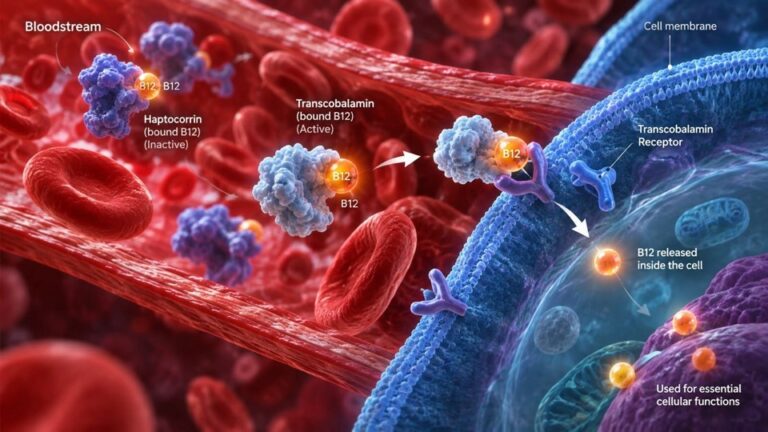
A Smarter Approach to Vitamin B12: Why the “Active B12” Test Matters
Medical Disclaimer: The information provided in this article is for educational and informational purposes only and is not intended as…
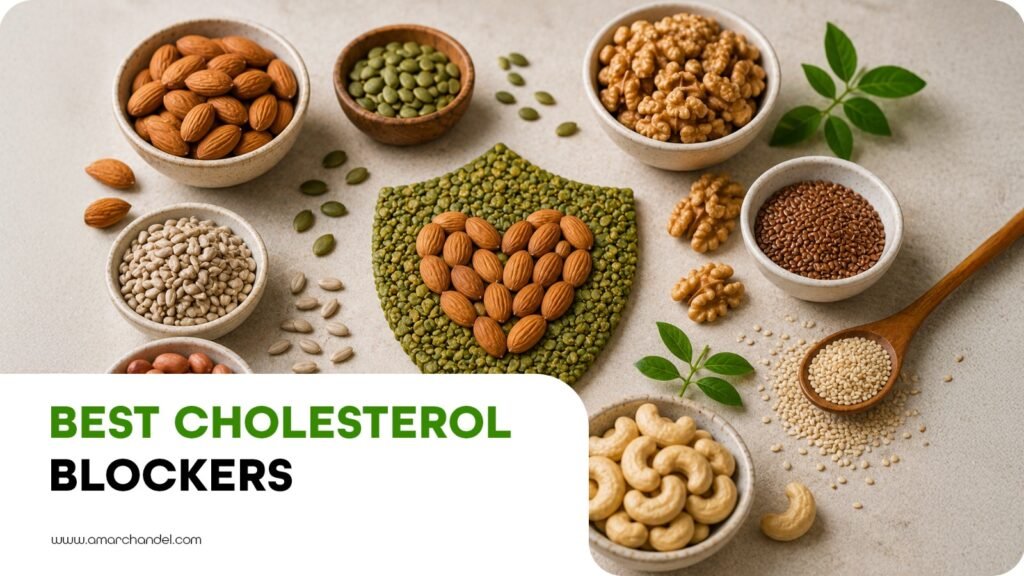
In the fight against high cholesterol, science has discovered a natural compound found in plants called phytosterols. These plant sterols are structurally very similar to cholesterol and work by essentially competing for space in our digestive system. Think of your gut like a series of tiny bins; when you eat enough plant sterols, they fill up those bins first, leaving no room for bad cholesterol to be absorbed. This forces the excess cholesterol to simply pass through the body instead of entering the bloodstream. In India, where diets are shifting towards more processed foods, understanding how to use these natural blockers is more important than ever for heart health.
For years, the food industry has tried to sell these plant sterols in the form of fortified margarines, spreads, or even supplements. However, this is often a poor trade-off. Using margarine to protect your heart is counter-productive because these spreads often contain unhealthy fats that can damage your arteries. It is much like taking a step forward while simultaneously taking two steps back. Furthermore, recent research suggests that our bodies absorb these protective compounds far more effectively when they are eaten in their natural state. Nature has already perfectly packaged phytosterols inside nuts and seeds, which contain the natural fats required for our bodies to absorb them properly.

The way we eat these foods also matters. Studies indicate that having small amounts of phytosterols throughout the day is much more effective than taking one large dose or a single pill. This constant flow ensures that those “bins” in our digestive tract stay full all day long, providing continuous protection against cholesterol absorption from our meals. For the Indian lifestyle, this means that traditional and holistic healing habits—like having a few almonds with breakfast or sprinkling sesame seeds on our cooked vegetables—are actually sophisticated health strategies. Even something as simple as snacking on a small handful of sunflower or pumpkin seeds during the afternoon can provide a steady shield for the heart.
While the market is now full of “fortified” juices and snacks claiming to lower cholesterol, these often lack the natural fats found in whole plants that help the process work. Relying on a processed drink or a pill is rarely as effective as choosing whole, plant-based foods. By focusing on local, accessible sources like groundnuts, flaxseeds, and sesame, we can gain all the heart-protecting benefits of phytosterols without the added sugars or unhealthy fats found in industrial products. Choosing the natural package of nuts and seeds ensures we get the good nutrients our hearts need without any of the hidden extras we should avoid.
References:
Medical Disclaimer: The information provided in this article is for educational and informational purposes only and is not intended as…
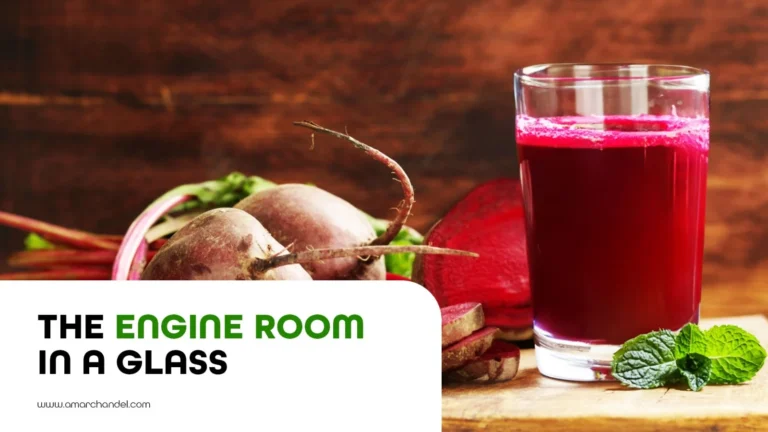
Every time we flex a muscle, take a breath, or blink an eye, our body spends a tiny packet of…
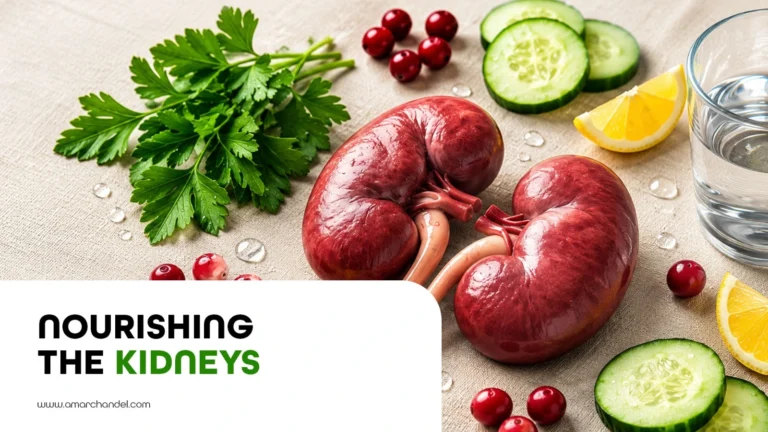
Managing chronic kidney disease through nutrition relies on balancing essential nutrients while minimising the workload on failing kidneys. Damaged kidneys…
