
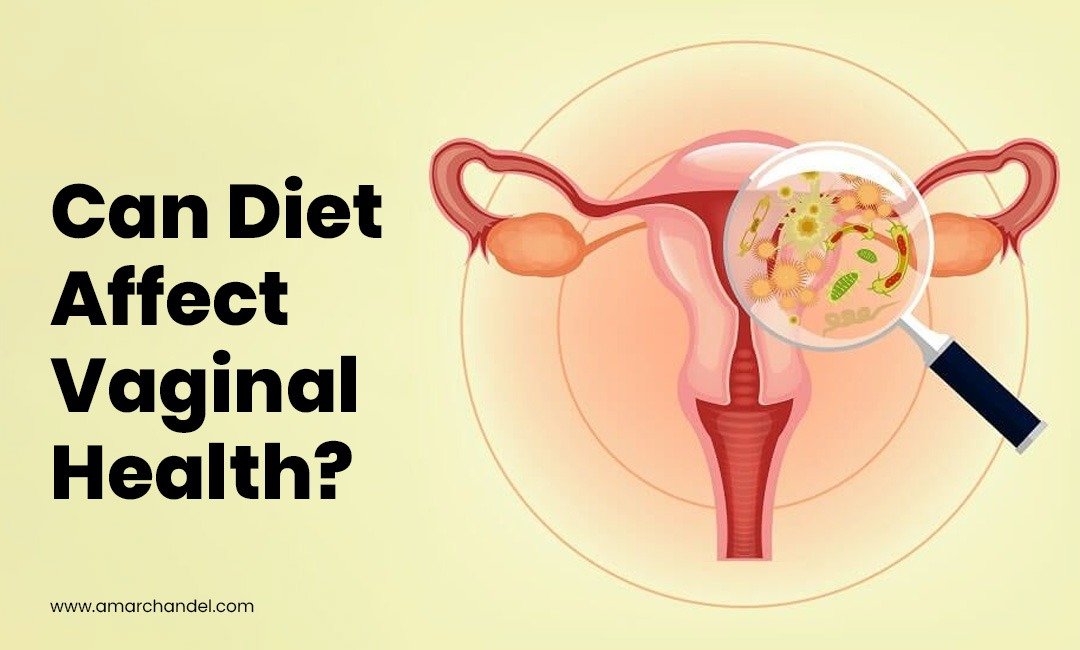
Bacterial vaginosis (BV) is one of the most common vaginal health problems among women of reproductive age—not only in the West, but also in India. Indian studies suggest that 20–30% of urban women and an even higher proportion of women attending gynecology clinics show signs of BV. Despite this, it remains under-discussed, often misunderstood, and frequently treated only with antibiotics, without addressing why it keeps coming back.
To understand BV, it helps to first understand how the vagina protects itself. A healthy vagina is naturally dominated by Lactobacillus bacteria, which maintain an acidic environment. The normal vaginal pH is around 4–4.5, similar to that of tomato juice. This acidity prevents harmful bacteria from multiplying. In many ways, the vagina functions like fermented foods such as curd, kanji, or pickled vegetables, where acidity keeps harmful microbes in check.
Problems begin when this acidity reduces and the vaginal pH starts rising toward neutral levels, similar to coffee. When that happens, harmful bacteria can overgrow, leading to bacterial vaginosis. BV is often diagnosed clinically using symptoms and the well-known “fishy odour”, sometimes assessed through the so-called whiff test.
Traditional risk factors for BV include douching, which is still practiced by some women under the mistaken belief that it improves hygiene. Medical evidence is very clear on this point: douching does more harm than good. It disrupts the natural bacterial balance, increases infection risk, and offers no proven benefit. Doctors increasingly emphasise that the vagina is self-cleaning and does not require internal washing.
In recent years, research has expanded beyond hygiene practices to look at nutrition as a key risk factor. Several studies have found that women with BV tend to have lower blood levels of protective plant nutrients, especially vitamin C and beta-carotene, which usually reflect a low intake of fruits and vegetables. This has important implications for India, where many women—especially in urban low-income groups—consume diets that are high in refined carbohydrates but low in fresh produce.
Modern nutrition science has moved further and now focuses less on single nutrients and more on overall diet quality. Researchers use dietary quality scores to assess how nutrient-dense a person’s diet is as a whole. Studies consistently show that women eating more nutrient-rich diets have a lower risk of bacterial vaginosis. In other words, it’s not just about one vitamin or supplement, but about the overall pattern of eating.
Why does diet matter so much? One important reason appears to be fat intake, especially saturated fat. Diets high in saturated fat may increase vaginal pH, making the environment less acidic and more favourable for harmful bacteria. In India, saturated fat often comes from full-fat dairy, fried snacks, bakery foods, fast food, and excessive ghee or butter, especially in urban diets. At the same time, low intake of fruits, vegetables, and whole plant foods reduces antioxidant and anti-inflammatory support for the immune system.
This new understanding has practical implications. Preventing BV is not only about antibiotics and hygiene advice—it also involves improving everyday nutrition. Increasing intake of fresh fruits, vegetables, legumes, nuts, seeds, and fermented foods like curd may help support healthy vaginal bacteria indirectly by improving overall immunity and metabolic balance. While curd probiotics act mainly in the gut, better gut health is increasingly linked with better vaginal health through immune and microbial pathways.
Experts now recommend that these findings be actively shared with gynaecologists, obstetricians, and primary care doctors, and also communicated clearly to women themselves. In a country like India, where recurrent infections affect women’s comfort, fertility, pregnancy outcomes, and quality of life, dietary awareness can be a powerful preventive tool.
In summary, bacterial vaginosis is not just a local infection—it reflects broader lifestyle and nutritional patterns. A diet rich in plant foods and low in excess saturated fat may help maintain the vagina’s natural acidic balance, reduce infection risk, and support long-term reproductive health. Treating BV is important, but preventing recurrence begins on the plate.
References
•   Centers for Disease Control and Prevention (CDC). Bacterial Vaginosis – Epidemiology and Risk Factors, updated 2023.

•   Neggers YH, et al. Dietary intake and bacterial vaginosis. American Journal of Obstetrics and Gynecology, 2007.

•   Thoma ME, et al. Diet quality and bacterial vaginosis. Journal of Nutrition, 2011.

•   Ravel J, et al. Vaginal microbiome and health. New England Journal of Medicine, 2011.

•   Indian Council of Medical Research (ICMR). Reproductive tract infections in Indian women, recent reviews and surveillance reports.