

A Smarter Approach to Vitamin B12: Why the “Active B12” Test Matters
Medical Disclaimer: The information provided in this article is for educational and informational purposes only and is not intended as…
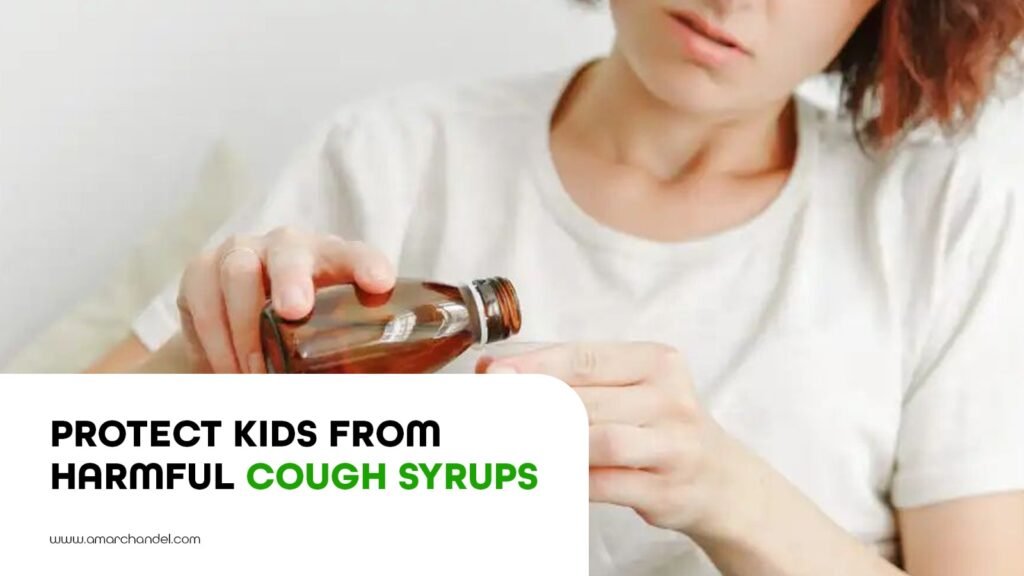
In the 1800s, parenting looked very different, and unfortunately, the medicine cabinet was a much more dangerous place. Desperate parents who wanted to calm crying or teething babies often turned to “soothing syrups” that were marketed as miracle cures. In reality, these bottles were frequently packed with high doses of dangerous narcotics like morphine, opium, and even heroin.
One famous brand at the time, Mrs. Winslow’s Soothing Syrup, contained enough morphine to be fatal to a small child. It took until the early 1900s for health officials and journalists to expose that these syrups were essentially “baby killers” that worked only because they knocked children unconscious or, tragically, led to their death from overdose.
While the days of morphine-filled teething syrups are long gone, the lesson of caution remains incredibly important for parents in India today. In recent years, there have been serious global and local alerts regarding the safety of some cough and cold syrups. Instead of old-fashioned narcotics, the modern danger often comes from hidden contaminants like diethylene glycol and ethylene glycol. These are toxic chemicals that should never be in medicine but have occasionally been found in low-quality manufacturing batches.

When children consume these contaminated syrups, it can lead to severe kidney damage. This is why the Indian government and the World Health Organization have significantly tightened rules for testing and exporting syrups to ensure that history does not repeat itself in a modern form.
Today, the best way to keep your child safe is to avoid self-medicating. Many common coughs and colds in children are caused by viruses that do not require strong medicine and will get better with rest and fluids. In India, the Central Drugs Standard Control Organisation (CDSCO) has recently advised against the use of certain cold medicine combinations for children under the age of four. Doctors now suggest using simple, time-tested remedies for mild symptoms, such as honey for children over one year old or saline nasal drops for a blocked nose, rather than reaching for a bottle of multi-ingredient syrup.
To ensure your child’s safety, always buy medicines from a licensed pharmacy and check for a valid manufacturing date and batch number. Never use leftover syrups from previous illnesses, and always consult a pediatrician before giving any medication to an infant.
Modern medicine is a wonderful tool when used correctly, and holistic healing can play a supportive role in overall well-being, but as the history of those 19th-century “soothing syrups” shows us, we must always be vigilant about what we give to the most vulnerable members of our families.
Sources and References

Medical Disclaimer: The information provided in this article is for educational and informational purposes only and is not intended as…
Every time we flex a muscle, take a breath, or blink an eye, our body spends a tiny packet of…
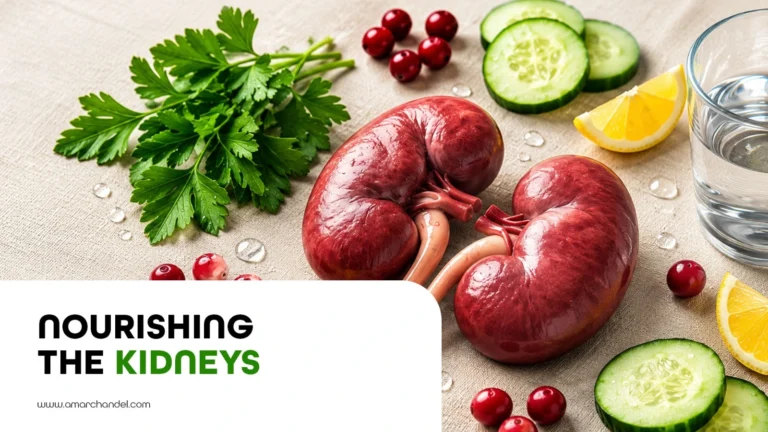
Managing chronic kidney disease through nutrition relies on balancing essential nutrients while minimising the workload on failing kidneys. Damaged kidneys…
