

The Engine Room in a Glass
Every time we flex a muscle, take a breath, or blink an eye, our body spends a tiny packet of…
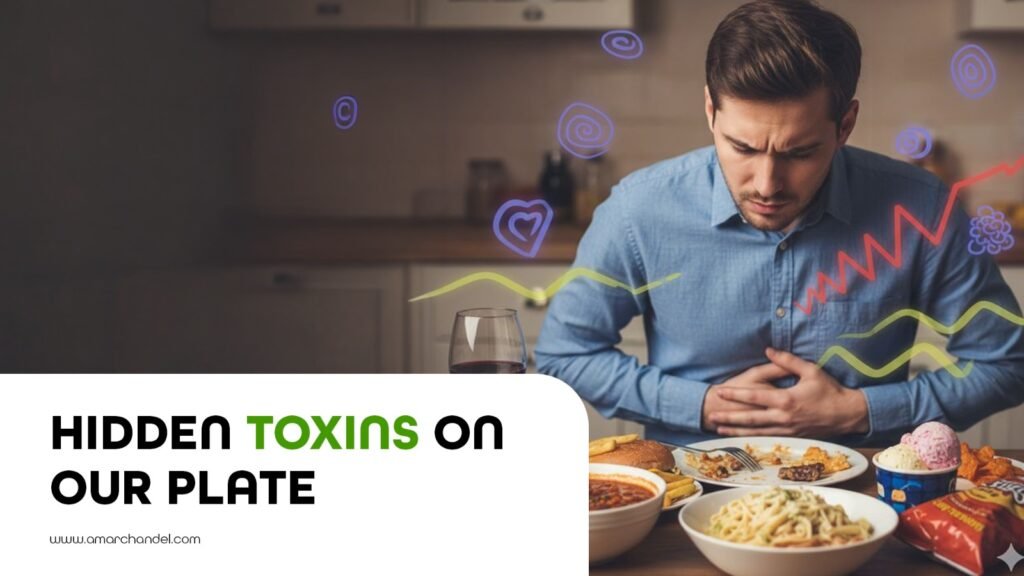
While many of us are careful about visible dirt on our vegetables, there is a deeper and more invisible challenge lurking in our food supply: persistent industrial chemicals like PFAS and PCBs. These chemicals are often called “forever chemicals” because they do not break down easily and can stay in the environment for decades. In India, recent research and government actions highlight that these substances are now a significant concern for public health.
For instance, perfluorochemicals (PFAS) have been closely linked to thyroid issues and hormonal imbalances. While industrial countries were once the primary source, rapid industrialisation in India and China has made these regions the new hotspots for exposure.
You might wonder how these chemicals reach our dining tables. The process is a quiet but steady journey through the environment. These pollutants are released from factories, landfills, and even household items like non-stick cookware or water-resistant packaging. Once they enter our soil and water, they don’t just sit there; they enter the food chain. Smaller organisms absorb them, and as larger animals eat smaller ones, the concentration of these chemicals multiplies. By the time they reach humans, the levels are much higher.
In India, the primary sources of these “forever chemicals” are not just industrial dust or drinking water, but increasingly animal-based foods. Recent studies indicate that the highest concentrations of these toxins are found in animal fats, fatty fish, dairy products like cheese and butter, and eggs.

Because these chemicals are attracted to fat, they settle and stay in the fatty tissues of animals. Even though India has restricted or banned older pesticides like DDT and hexachlorobenzene, they are still being detected in our food. For children, the risk is even higher because they consume more milk and dairy products relative to their body weight, and these pollutants can even be passed from a mother to her baby. This means that the “pure” glass of milk or piece of fish we serve our families may unfortunately carry a legacy of industrial pollution.
The reality is that our environment has become so interconnected that these chemicals have been found everywhere, from the deep oceans to the snow on mountain peaks. In 2025 and 2026, Indian food safety authorities like the FSSAI have proposed much stricter rules to ban these substances in food packaging to help reduce our daily exposure. However, the most effective way for an individual to lower their risk right now is to move “lower on the food chain.” This means shifting toward a diet centred on plant-based foods—such as grains, pulses, and vegetables—rather than animal products. Choosing organic produce when possible and thoroughly washing your food can also help, as plants generally do not accumulate these fat-seeking chemicals at the same high levels as animals do. As part of a holistic healing approach to wellness, these mindful dietary choices can support overall health while helping to minimize exposure to environmental contaminants.
Sources and References
Every time we flex a muscle, take a breath, or blink an eye, our body spends a tiny packet of…
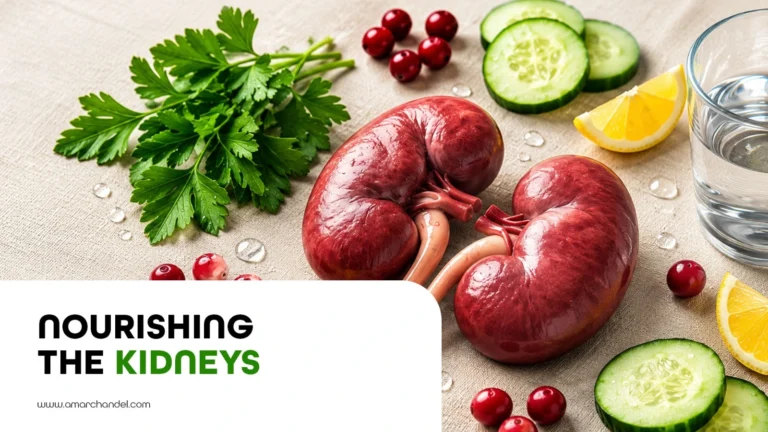
Managing chronic kidney disease through nutrition relies on balancing essential nutrients while minimising the workload on failing kidneys. Damaged kidneys…
Passing pink or reddish urine after eating beetroot is a harmless condition known as beeturia. While seeing a unexpected splash…
