

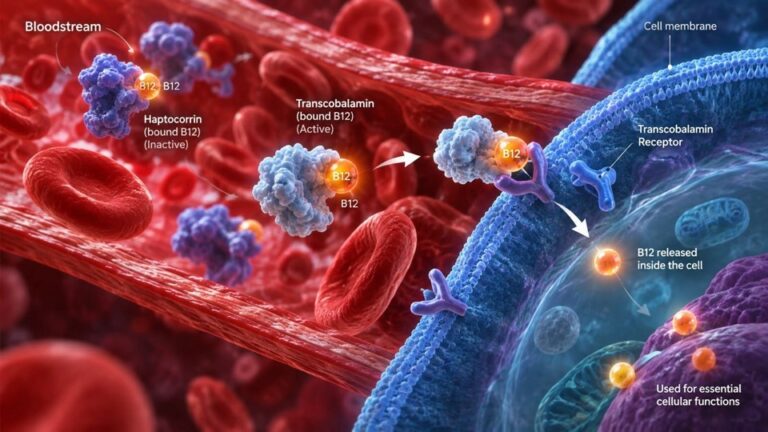
A Smarter Approach to Vitamin B12: Why the “Active B12” Test Matters
Medical Disclaimer: The information provided in this article is for educational and informational purposes only and is not intended as…
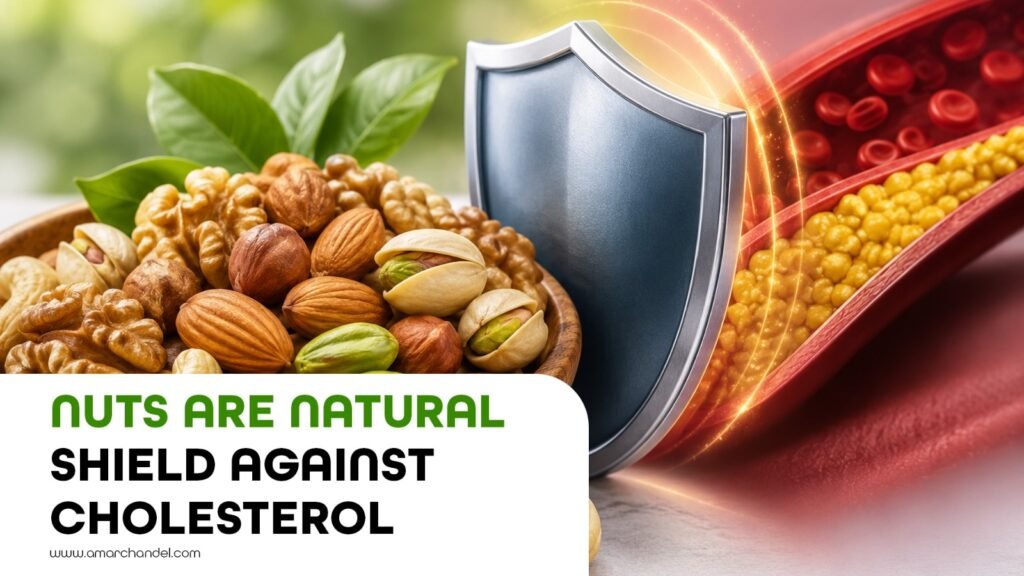
Heart disease remains the leading health challenge across India, often affecting people much earlier in life than in other parts of the world. However, recent large-scale reviews of dozens of clinical trials have confirmed a remarkably simple way to protect ourselves. Research shows that people who include nuts in their daily diet have a significantly lower risk of dying from heart-related issues. In fact, compared to those who rarely eat nuts, those who consume them every day can cut their risk of heart disease by nearly half. This is particularly important for the Indian population, where genetic factors and diet can often lead to early cholesterol problems.
The primary way nuts protect the heart is through their natural ability to lower LDL, often called “bad” cholesterol.
Interestingly, the research suggests that nuts work hardest for those who need them most. If your cholesterol levels are already within a healthy range, adding nuts might only lead to a small improvement. However, for those with very high cholesterol levels who are at immediate risk of heart trouble, daily nut consumption has been shown to drop bad cholesterol by an average of 10%. This makes nuts an incredibly efficient, natural tool for managing heart health alongside regular medical care.
While many of these studies are supported by global nut trade foundations, the core findings remain consistent across independent research as well. It is true that some industry-funded studies use clever tricks to make their products look better—such as comparing the health effects of almonds against a diet of processed meats like pork. Naturally, any plant food will look like a miracle cure when compared to heavy, processed animal fats. However, even when we look past these marketing tactics, the genuine biological benefits of nuts, such as their high fibre, healthy fats, and antioxidants, are undeniable for maintaining clear and healthy arteries.

For an India-centric and holistic healing approach, this does not mean we need to buy expensive, imported nuts. Local varieties like cashews and walnuts provide excellent benefits. The key is how we eat them. To get the best results, nuts should be eaten in their natural form—raw or lightly roasted—rather than deep-fried or heavily salted. By replacing common processed tea-time snacks like biscuits or fried namkeen with a handful of nuts, we can take a significant step toward lowering cholesterol, supporting holistic healing, and protecting our hearts for the long term.
References:
Medical Disclaimer: The information provided in this article is for educational and informational purposes only and is not intended as…
Every time we flex a muscle, take a breath, or blink an eye, our body spends a tiny packet of…
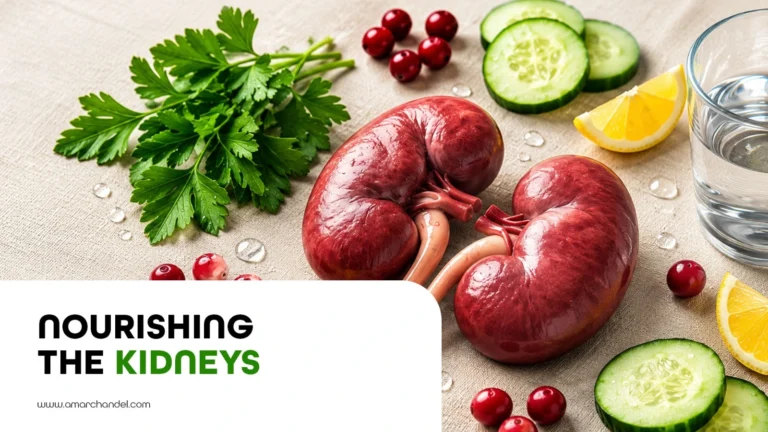
Managing chronic kidney disease through nutrition relies on balancing essential nutrients while minimising the workload on failing kidneys. Damaged kidneys…
