

A Smarter Approach to Vitamin B12: Why the “Active B12” Test Matters
Medical Disclaimer: The information provided in this article is for educational and informational purposes only and is not intended as…
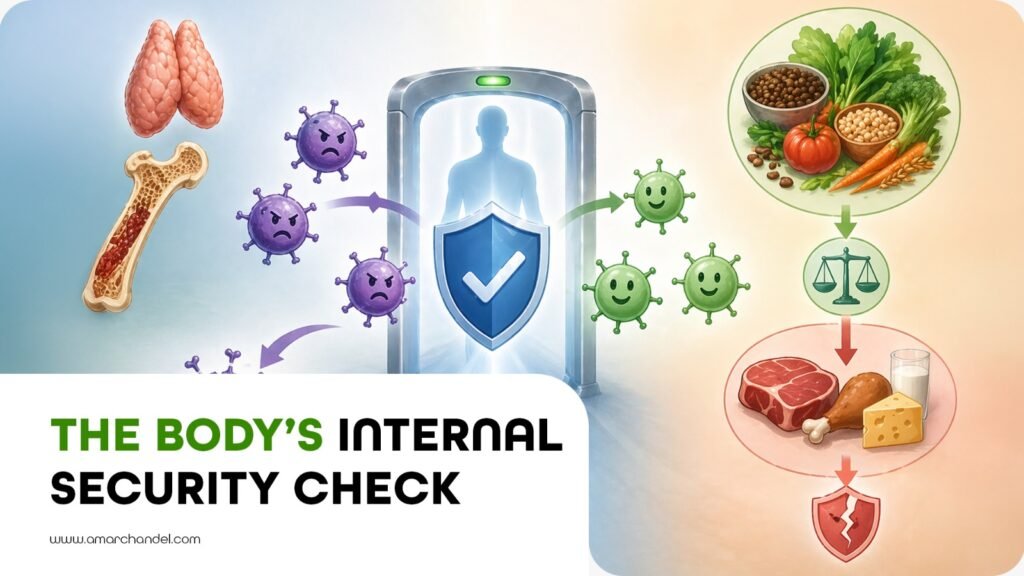
To understand how our body stays healthy, we have to look at a fascinating process called Clonal Deletion.
Our bodies are born with a massive library of immune cells designed to recognise almost anything in nature.
But this creates a big risk: what if some of those immune cells decide to attack our own heart, joints, or kidneys? To prevent this, our body runs a strict security check before we are even born. In specialised organs like the thymus and bone marrow, the body “shows” these young immune cells a sample of our own tissues. If an immune cell reacts to our own body, it is identified as a “forbidden clone” and ordered to self-destruct through a process called apoptosis, or programmed cell death. This ensures that the only immune cells left in our system are the ones that protect us from outside invaders while leaving our own bodies alone.
Recent research conducted through 2025 and 2026 suggests that our modern lifestyle and diet in India might be interfering with this vital “security check.” A key player in this is a growth hormone called IGF-1 (Insulin-like Growth Factor 1). While IGF-1 is important for growth during childhood, having too much of it as an adult can be dangerous. IGF-1 is highly responsive to the consumption of animal proteins, such as red meat and high-fat dairy. The problem is that IGF-1 acts like a “survival shield” for cells; its job is to keep cells alive and help them divide. When levels of this hormone are too high, it can prevent the body from killing off those “forbidden” immune cells that were supposed to be deleted. Instead of being destroyed, these self-attacking cells survive and go on to cause autoimmune diseases where the body literally fights itself.

This connection explains why researchers are seeing a sharp rise in autoimmune conditions like Multiple Sclerosis (MS), Rheumatoid Arthritis, and Type 1 Diabetes in urban Indian populations as diets shift away from traditional plant-based staples toward more animal-heavy “Western” meals.
Historically, populations that followed a strictly plant-based or “vegan” lifestyle showed an almost total absence of these diseases. For example, in large rural populations where meat was rarely eaten, cases of MS were virtually non-existent.
By choosing a diet centred on lentils, vegetables, and whole grains, we naturally lower our IGF-1 levels. This allows our body’s internal security system to work properly, ensuring that self-destructive immune cells are successfully removed.
Understanding this link gives us a powerful tool for prevention. When we eat a plant-based diet, we aren’t just losing weight or managing heart health; we are actually fine-tuning our immune system. By keeping IGF-1 in a healthy range, we help our body clear out the “forbidden clones” that would otherwise cause inflammation and autoimmune damage.
As India faces a growing burden of these complex diseases, returning to a diet rich in plant proteins may be one of the smartest ways to support holistic healing, keeping our immune system focused on the real enemies while protecting our own healthy tissues.
References
Medical Disclaimer: The information provided in this article is for educational and informational purposes only and is not intended as…

Every time we flex a muscle, take a breath, or blink an eye, our body spends a tiny packet of…
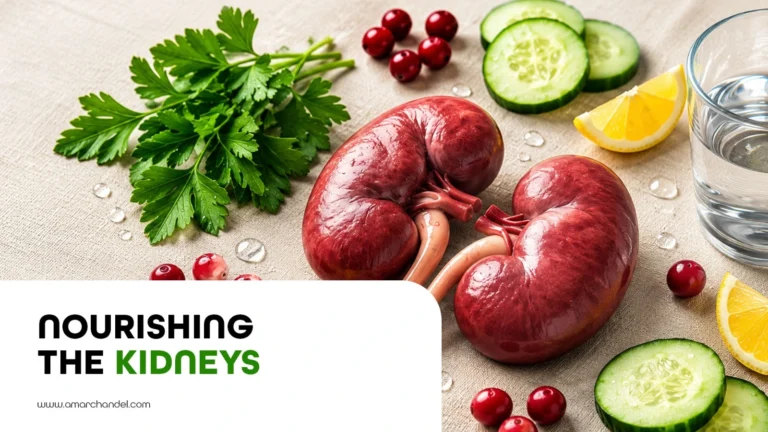
Managing chronic kidney disease through nutrition relies on balancing essential nutrients while minimising the workload on failing kidneys. Damaged kidneys…
