

A Smarter Approach to Vitamin B12: Why the “Active B12” Test Matters
Medical Disclaimer: The information provided in this article is for educational and informational purposes only and is not intended as…
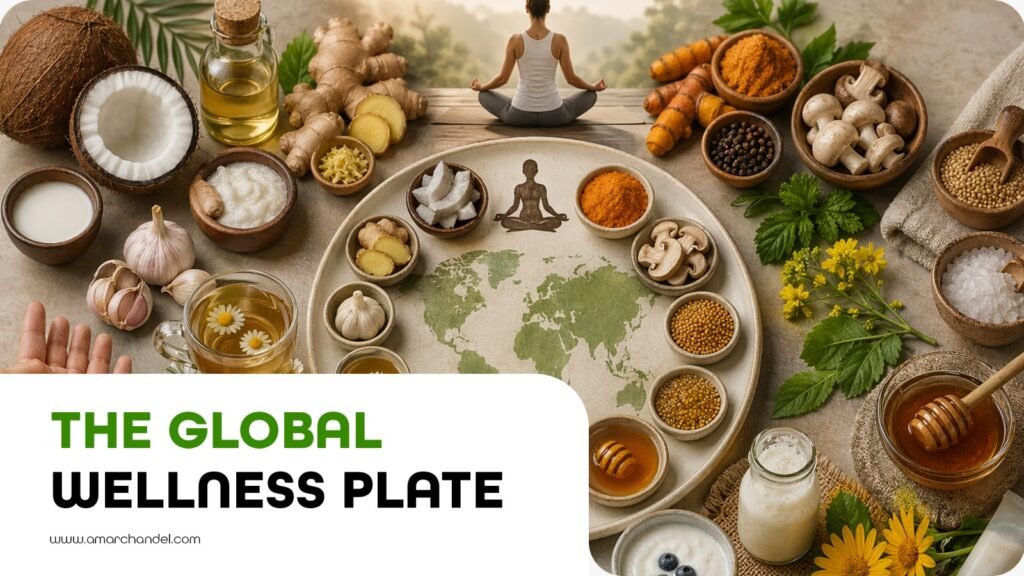
In the bustling kitchens of India, coconut has always been more than just an ingredient; it is a nutritional powerhouse. While we often look at international diets for weight loss, the traditional coastal Indian diet rich in coconut might be the secret to staying lean.
Recent research continues to support the idea that coconut oil is loaded with medium-chain fatty acids. These special fats are sent straight to the liver to be used for energy rather than being stored as body flab. Modern studies suggest that including moderate amounts of coconut—whether as oil, fresh malai, or milk—can help stimulate the metabolism.
By making this small traditional tweak to your daily meals, you can support your body’s natural ability to burn fat more efficiently without complex dieting.
Yoga originated in India thousands of years ago, but its global popularity today is backed by cutting-edge science. While many see it as just exercise, research from major universities shows it is a powerful cure for the modern Indian epidemic of stress and sleeplessness. Just 20 minutes of daily practice can be as effective as a sedative. The magic lies in how deep breathing and stretching help the brain produce GABA, a natural calming chemical that tells your nervous system to relax. For the millions of Indian women juggling work and home, yoga offers a way to lower anxiety and improve mood naturally within just two weeks of starting.
Ginger is a staple in every Indian household, usually found in our morning chai or evening curries. Beyond its zesty flavour, it is a potent medicine for heart health. Recent studies indicate that a small daily dose of ginger can significantly lower triglycerides, which are the unhealthy fats that clog our arteries.
Interestingly, ginger has been found to be a powerful natural anti-inflammatory, helping to prevent dangerous blood clots even more effectively than some common medicines. By ensuring you get about half a tablespoon of ginger daily through your food or tea, you are giving your heart a natural shield against inflammation.
The vibrant yellow of turmeric is the soul of Indian cooking, and science is finally catching up to what our grandmothers always knew: it is a master regulator of blood sugar. Research from Gujarat University and other global centres confirms that curcumin, the active part of turmeric, actually talks to our genes to help keep glucose levels steady. It also supports the pancreas in producing insulin. To get these benefits, experts suggest having at least half a teaspoon of turmeric daily. Since it works best when paired with a pinch of black pepper, our traditional way of cooking it in tadkas is actually the most scientific way to consume it.
Mushrooms might seem like a modern addition to the Indian vegetable market, but they are incredible tools for managing cholesterol. Eating about half a cup of mushrooms daily can help lower cholesterol levels by up to 30 percent. They are packed with antioxidants that tell the liver to slow down the production of artery-clogging fats.
Whether you choose the common button mushroom or the earthier shiitakes now available in local supermarkets, adding these fungi to your subzis or pastas is a smart, low-calorie way to protect your heart health.
If you struggle with muscle pain after a long day or a workout, use mustard. Mustard contains compounds that improve blood circulation and help draw out toxins through the skin. While we use mustard oil for massage in India, a “mustard soak” using dry mustard powder and Epsom salts in warm water can deeply relax tight muscles and speed up healing. This simple home treatment can be a game-changer for chronic body aches or stiffness.
Chamomile tea is becoming a favourite “nightcap” in Indian cities for its ability to beat bloating and gas. Stress often causes our bodies to produce too much cortisol, which messes with our digestion and leads to painful spasms. Sipping two cups of chamomile tea daily helps calm the system and eases belly pain.

Furthermore, research shows that this tea triggers the brain to release natural painkillers and “happy hormones,” helping to lift your mood while settling your stomach.
Garlic is India’s natural antibiotic. Often eaten raw on an empty stomach in many parts of the country, garlic is rich in allicin. This compound is a powerhouse that boosts the immune system and stops viruses from spreading in your body.
Studies suggest that adding just one fresh clove of garlic to your daily diet can cut your risk of catching a cold or the flu by nearly half. It is a simple, pungent way to stay healthy during the changing seasons or flu outbreaks.
Acupressure is an ancient healing art that many in India use alongside traditional medicine to treat headaches. By applying pressure to specific points on the hands and feet—like the webbing between your thumb and finger—you can trigger the release of endorphins. These are the body’s natural painkillers.
Research shows that for those suffering from tension headaches, regular acupressure can actually work better than muscle relaxant pills, offering relief without any side effects.
While India is a nation of tea lovers, the growing coffee culture might have a hidden mental health benefit. Studies from Harvard show that coffee is a powerful tool against depression. The combination of caffeine and antioxidants helps the brain produce serotonin and dopamine, the chemicals responsible for making us feel good. Drinking two to three cups of coffee daily has been linked to a significant drop in the risk of feeling low or depressed.
Honey has been used in Ayurveda for centuries to treat coughs and sore throats. Modern science confirms that unpasteurised, raw honey contains natural antibiotics that can kill almost all bacteria and viruses on contact. In India, choosing darker honeys like forest or wildflower honey provides even more antioxidants. Mixing a spoonful of raw honey into your lukewarm water or tea can prevent sinus infections and soothe a scratchy throat better than many over-the-counter syrups.
Aloe vera, often grown in Indian balconies and gardens, is nature’s best skin healer. It is incredibly effective at cooling rashes, reducing redness, and locking in moisture. Research shows it can even help manage difficult skin conditions like psoriasis by calming inflammation and helping new, healthy skin cells grow. Applying fresh aloe gel to dry or irritated skin three times a day can keep your skin smooth and resilient against the harsh Indian sun and pollution
Kefir, a fermented drink similar to our traditional kanji or buttermilk but much more potent, is a hero for digestive health. It contains many more strains of healthy bacteria (probiotics) than standard yogurt. For the many Indians who suffer from irritable bowel syndrome or frequent bloating, a small daily serving of a probiotic-rich drink like kefir or well-made home curd can fix the balance of “good” bugs in the gut, leading to much better digestion and comfort.
Finally, for those accidental bumps and bruises, the herb Arnica is a global favourite in holistic healing. While not as common in Indian kitchens, Arnica gels are widely available in homeopathic stores across India. Applying this gel to a bruise can reduce swelling by 30 percent and help the body clear away pooled blood much faster. It is a must-have in the family first-aid kit for holistic healing, helping to quickly heal skin injuries and improve circulation to damaged tissues.
References

Medical Disclaimer: The information provided in this article is for educational and informational purposes only and is not intended as…
Every time we flex a muscle, take a breath, or blink an eye, our body spends a tiny packet of…
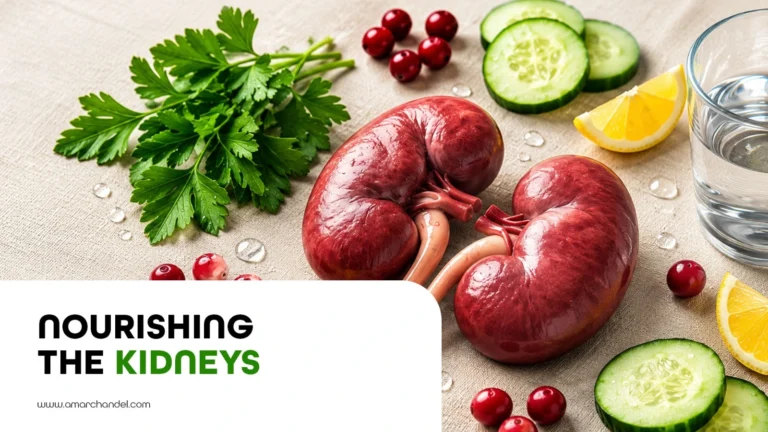
Managing chronic kidney disease through nutrition relies on balancing essential nutrients while minimising the workload on failing kidneys. Damaged kidneys…
